What Not to Leave in Your Car in Freezing Temperatures
Some ordinary things in your car can freeze, swell, or stop working right when the temperature drops, and most of them are easy to just take inside with you.
Take out anything with liquid in it, and anything that doesn't like extreme cold
Water and anything mostly water, drinks, canned food, a water bottle in the cupholder, will freeze and expand. That can crack the container or the can itself, and you come back to a mess.
Medication is the other big one. A lot of prescriptions and over the counter medicines have a temperature range printed on the label, and sitting in a cold car overnight can push them past it. The same goes for anything with a battery you care about, like a phone or a laptop. Cold doesn't damage the battery once, but repeated freezing and warming shortens its life.
How cold it actually gets where the car sits
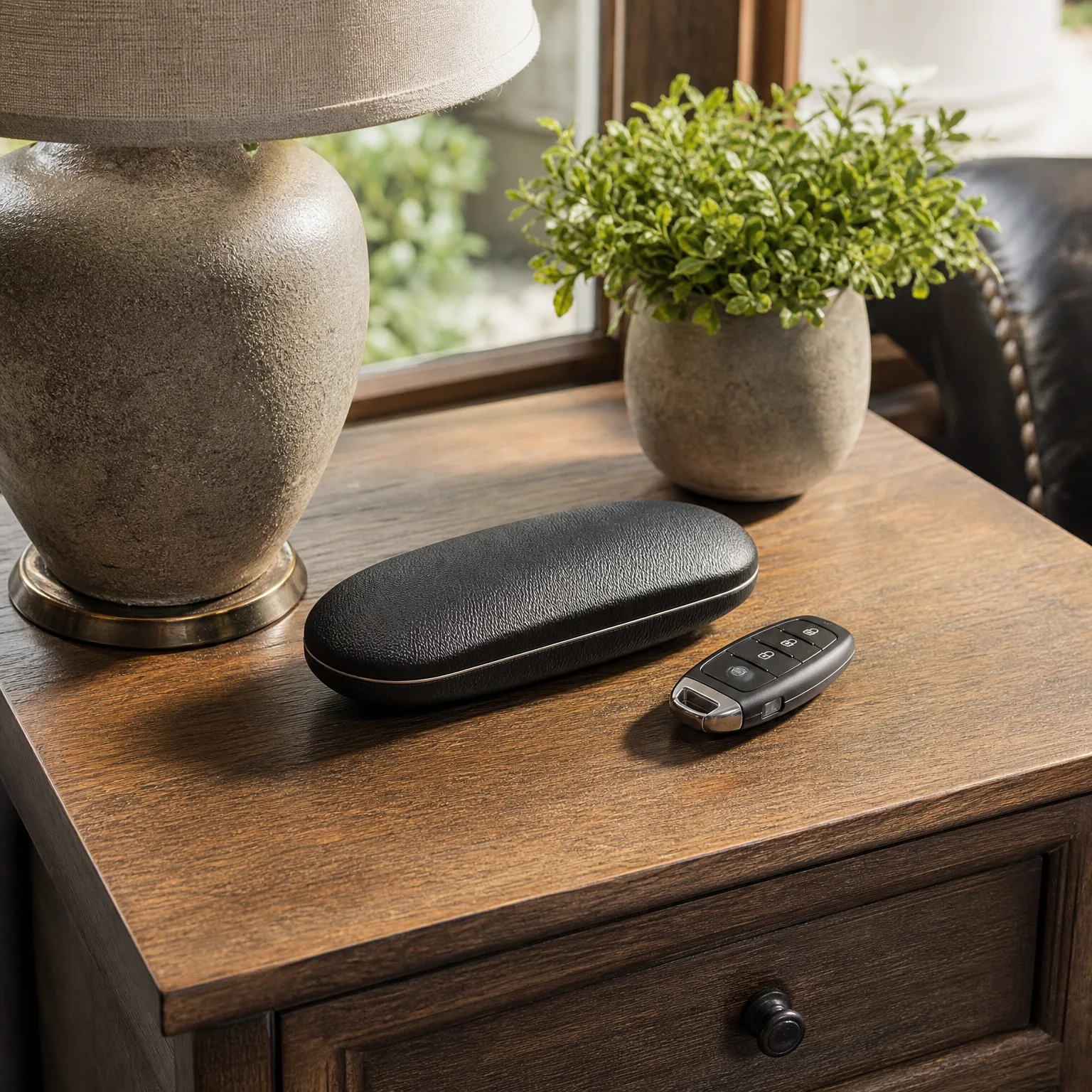
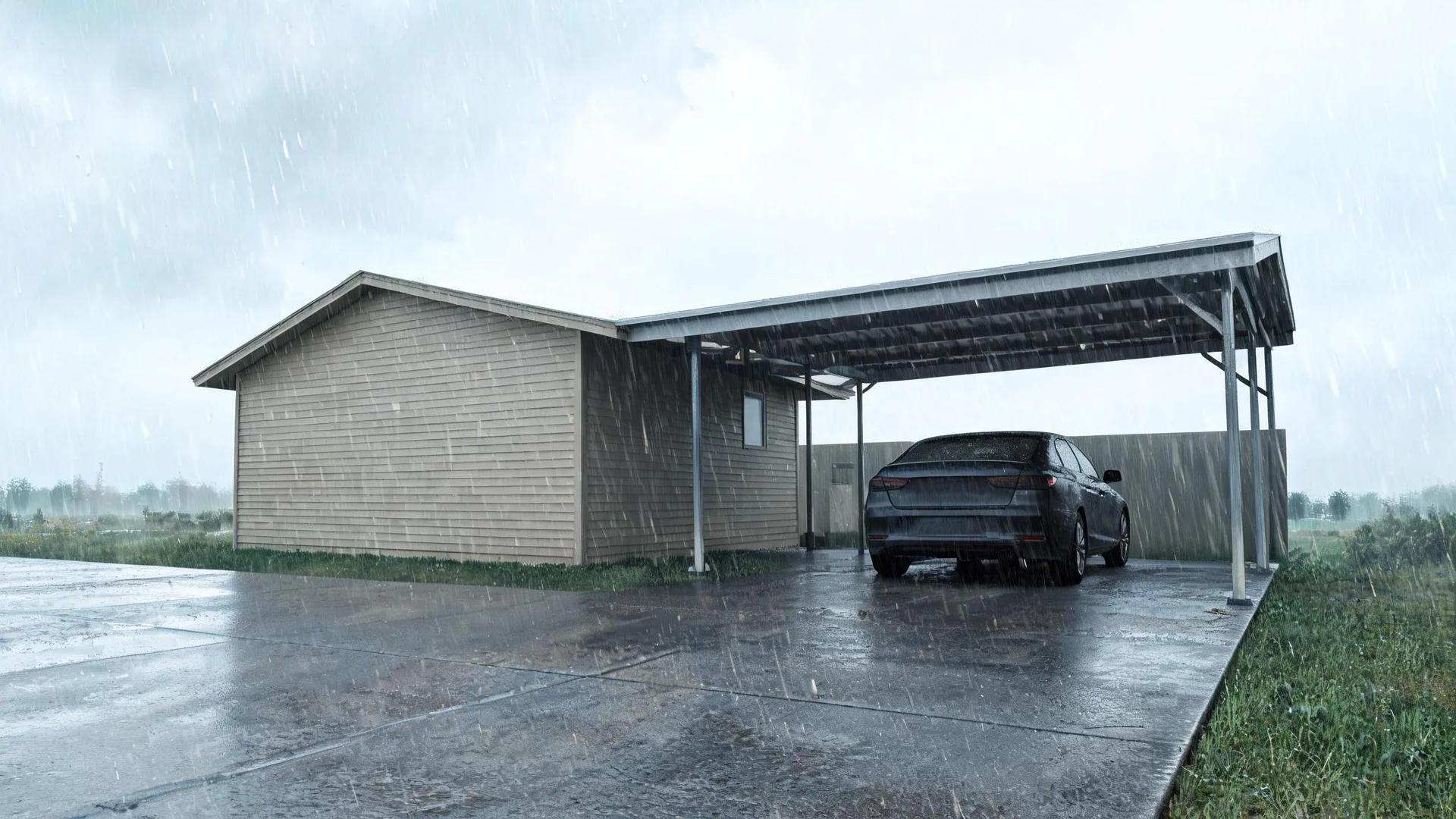
A car parked in an attached garage overnight behaves differently than one parked outdoors on the street. The garage usually stays close to outdoor temperature but doesn't swing as far, so it's less harsh on anything inside. A car left outside in a hard freeze gets colder than the air temperature suggests, especially overnight.
If you park outside, assume the inside of the car will get close to whatever the overnight low is. That's cold enough to freeze a water bottle, crack a can of soda, and push most medications below their storage range.
If the car is in a garage, you still shouldn't leave anything that's labeled for room temperature storage, but the risk is lower and slower to develop.
Either way, the dashboard and trunk run colder than the cabin in some cars and warmer in others depending on where the heater vents are, so there's no single safe spot in the car when it's freezing outside.
What people forget because it doesn't look like a liquid
Eye drops, contact lens solution, and anything in a spray bottle count as liquid even though they don't look like it sitting in a bag. They freeze the same way water does, and once they thaw they may not mix back to the right consistency.
Electronics are the other blind spot. A phone charger is fine, but a phone, a tablet, or a camera left in a cold car can shut itself off or lose charge fast, and the screen can be slow to respond until it warms up. This isn't usually permanent damage, but repeated cold exposure wears down battery capacity over time.
Crayons, lipstick, lip balm, and anything wax based will go hard and can crack. Reading glasses and sunglasses in a case are fine, but a case with a magnetic clasp or a rubber seal can get brittle and break if you force it open while it's still cold.
Questions people ask about this
Can freezing temperatures damage my car battery?
Cold makes a car battery work harder to deliver the same power, and an older or already weak battery is the one most likely to fail on a freezing morning. If your battery is several years old, it's worth having it tested before winter rather than finding out when the car won't start. This is true regardless of where you live, though the effect is more sudden in places with hard freezes.
Is it bad to leave a phone charger in the car in winter?
A charger itself, the cord and the block, isn't damaged by cold the way a battery or a liquid is. It's fine to leave one in the car through winter. The concern is the phone itself if you leave it plugged in and sitting in the car, not the charger.
Will freezing weather hurt my car's interior or dashboard?
Extreme cold can make plastic and rubber in the dashboard and door seals more brittle, so they're more likely to crack if bumped or flexed hard while cold. This matters more in older cars where the materials have already started to wear. It's not something you can prevent by removing items, but it's worth knowing if you're parking outside through a hard winter.
Should I keep an emergency kit in my car during winter?
A lot of drivers keep one, and it's a reasonable thing to have, but check what's in it against the cold. Water bottles, snack bars, and anything with a battery in a stored kit are subject to the same freezing problems as anything else you'd leave in the car. If you keep a kit year-round, swap out anything freeze-sensitive for the winter months.
Does freezing weather affect my car insurance rate or claims?
Cold weather itself doesn't change your premium, but what happens because of it can. A cracked windshield from a sudden temperature swing, a battery that dies and causes an accident, or storm damage are the kind of events that could lead to a claim. Whether a specific repair or loss is covered depends on your policy, so check with your insurer about what your comprehensive coverage includes before winter sets in.
If a cold-weather claim is making you look at your coverage again, see what else is out there before you renew.
Before the next freeze, walk through your car and pull out anything with liquid in it, any medication, and any electronics you'd rather not risk. Check your owner's manual or the battery itself for its age, and if it's old, get it tested at a shop before you're stuck in a parking lot on a cold morning. If you keep an emergency kit in the car, look through it now and swap out anything that doesn't hold up to freezing. And if you're not sure what your policy covers if the cold does cause damage, a quick call to your insurer or agent will tell you more than guessing.