Is It Okay to Store a Car in an Unheated Garage
An unheated garage protects a car well enough, as long as you prepare it for sitting and keep your insurance in the right state.
Yes, an unheated garage is fine for most cars
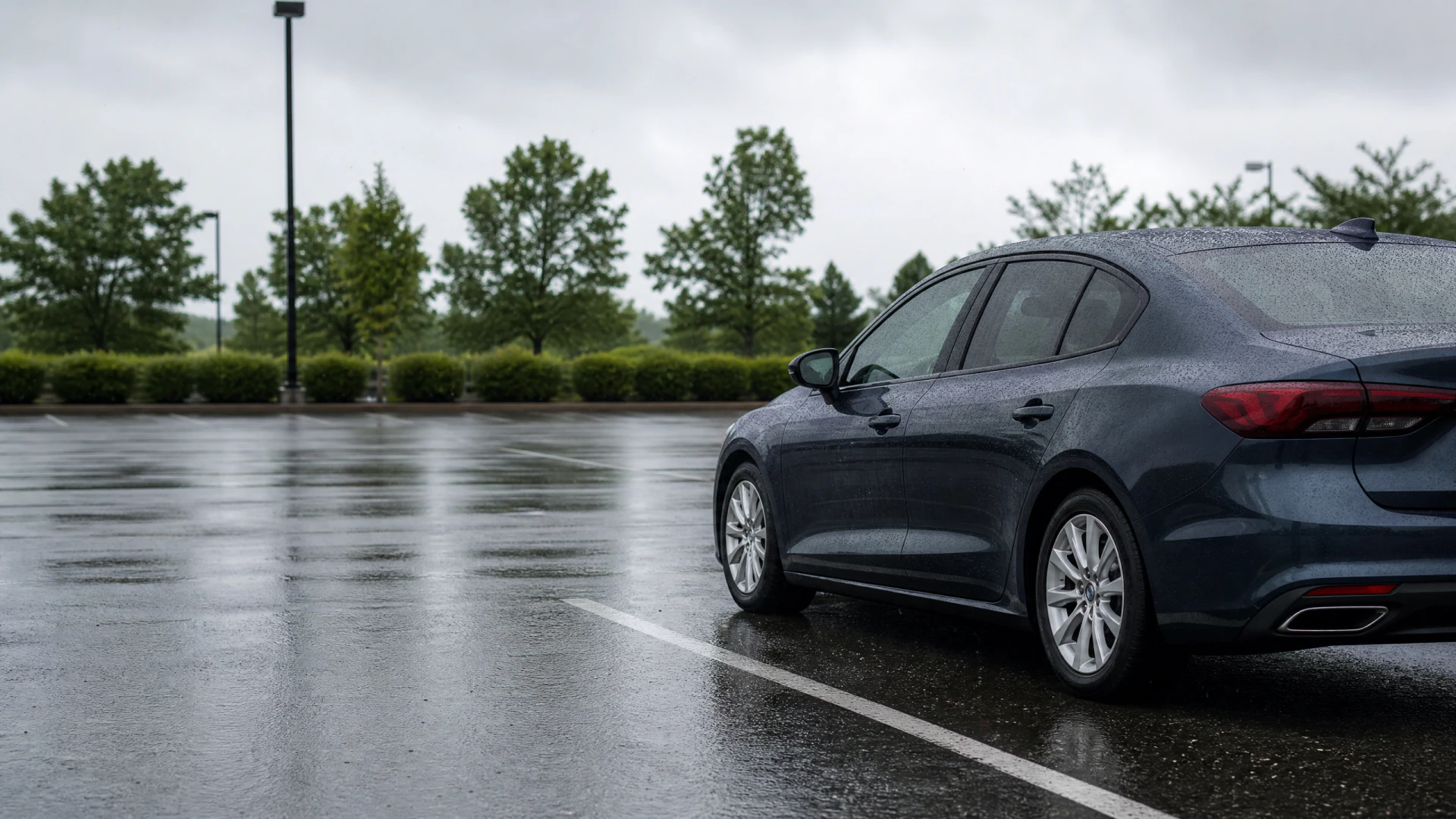
An unheated garage protects a car from rain, snow, direct sun and theft, which are the things that cause the most damage over time. The cold itself does very little harm to a car that's sitting still, as long as the battery, tires and fluids are ready for it.
What matters more than the temperature is whether you do anything to the car before you park it for a stretch of cold weather. A car that sits in an unheated garage all winter with no attention can come out with a dead battery or flat-spotted tires. The same car, prepped first, usually comes out fine.
What you do before parking it matters more than the garage
A battery loses charge faster in cold weather, and a car that isn't driven for weeks will often need a jump or a new battery if nobody checked on it. If you're storing the car for more than a few weeks, disconnecting the battery or putting it on a maintainer prevents this.
Tires can develop flat spots if a car sits in the same position for a long time in the cold. Keeping the tires properly inflated before you park it, and moving the car occasionally if you can, helps avoid this.
Fluids matter too. Old antifreeze can freeze and crack an engine block in a car that isn't winterized, so check that the coolant mix is rated for the temperatures your garage will actually see, since an unheated garage can still get close to outside temperatures on the coldest nights.
None of this is about the garage being unheated. It's about whether the car is ready to sit, regardless of where it sits.
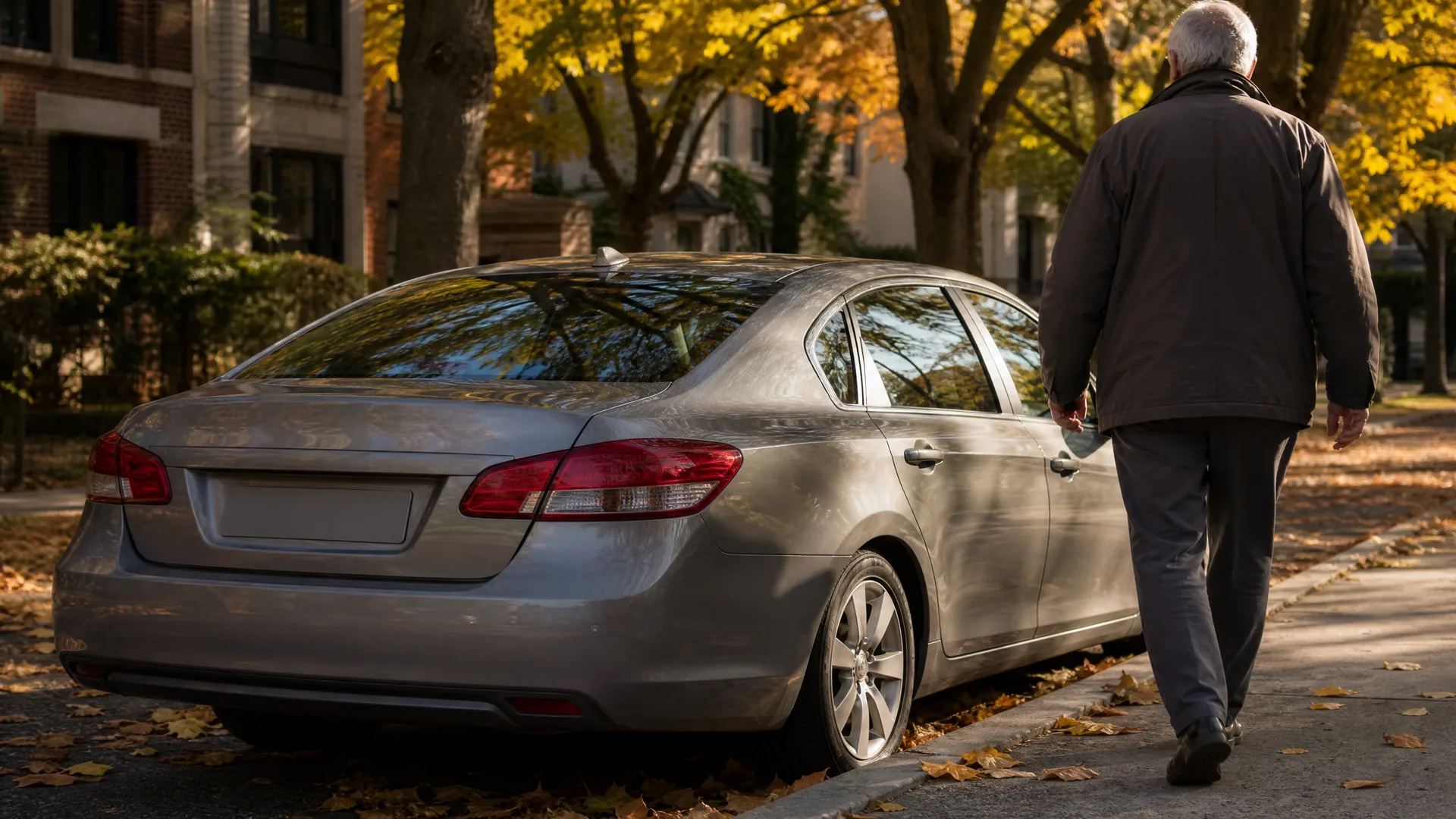
Your insurance has to stay active, or change in the right way
If you're parking the car for the season and not driving it at all, ask your insurer whether you can switch to comprehensive-only coverage for that period. This keeps the car covered for fire, theft and weather damage in the garage without paying for the liability and collision coverage you don't need while it's parked.
Dropping coverage entirely to save money is the mistake people make here. If something happens to the car in storage, a lapsed policy won't cover any of it, and restarting coverage later can mean a gap that insurers notice.
If you do plan to start the car occasionally or move it in and out of the garage, check with your insurer about whether your policy requires continuous full coverage instead. This depends on your insurer and sometimes your state, so ask before you make the change rather than after.
Questions people ask about this
Do I need to start my car periodically while it's stored in the garage?
Starting it occasionally helps circulate oil and keeps the battery from draining completely, so most people do this every couple of weeks if they can. If you can't get to it, a battery maintainer does the same job without you needing to be there. Check your owner's manual for anything specific to your car.
Will cold weather damage my car's paint or exterior in an unheated garage?
No, cold air alone does not damage paint. What damages paint is moisture, road salt and direct sun, all of which a garage, heated or not, already blocks. Washing the car before you store it, especially to remove road salt, protects the paint more than the garage's temperature does.
Should I disconnect the car battery for winter storage?
Disconnecting the battery is one way to prevent it from draining during a long stretch of inactivity, and it works well if you don't have access to a maintainer. The tradeoff is that the car's electronics and radio presets may reset once you reconnect it. Either approach is reasonable, the choice is about convenience rather than one being unsafe.
Does my car insurance cost less while the car is stored and not driven?
It can, if your insurer offers a reduced rate for a car that isn't being driven, but this depends entirely on your insurer and the type of policy you switch to. Ask them directly what storage options they offer and what proof they need, such as mileage or dates the car was off the road.
Can I store a classic or antique car in an unheated garage the same way?
Yes, but older cars often need more preparation, like fuel stabilizer or checking rubber seals that can crack in the cold. If the car has a specialty or classic car policy, check what that policy requires for storage, since some have specific conditions about how and where the car is kept.
If your coverage needs will change while the car sits for the season, see what other insurers offer for that situation.
Before you park the car, wash it, check the tire pressure and make sure the coolant is rated for winter temperatures. Decide whether you'll check on it yourself every couple of weeks or put the battery on a maintainer instead. Call your insurer and ask specifically what storage or comprehensive-only options they offer for a car that won't be driven, and what they need from you to switch to it. Ask what happens if you need to drive the car occasionally during that period, since some storage policies restrict this. Keep records of when the car went into storage and when it came out, in case your insurer asks for them later.