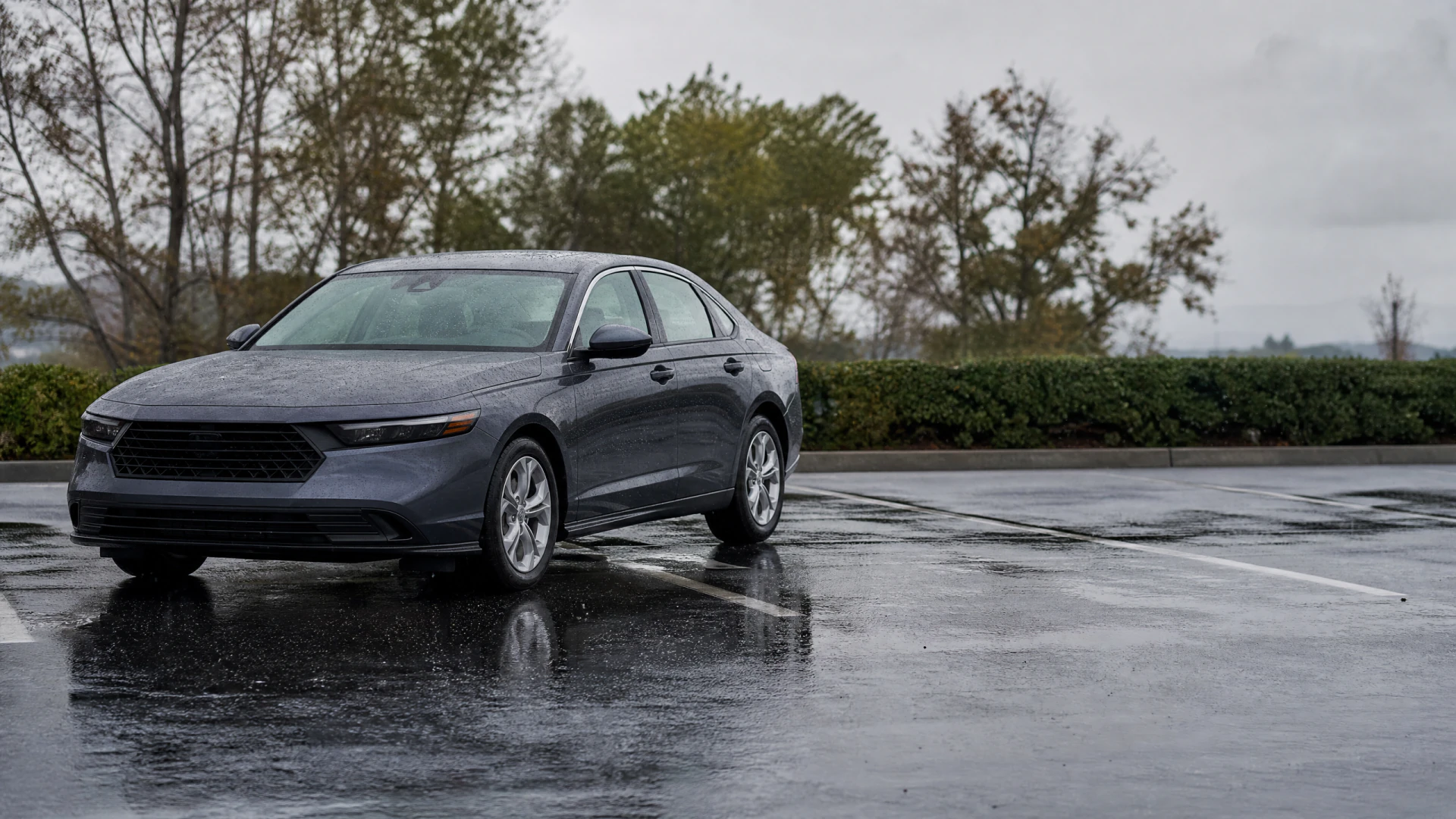
How to Keep Mice Out of Cars in Winter
Mice get into cars for warmth and food, so the fix is removing both and blocking the ways in.
Keep food out, block the gaps, and park smart
Mice come into a car looking for warmth and something to eat. Clear out any food wrappers, pet food, or birdseed you've stored in the trunk or glove box, and check under the seats too. Steel wool stuffed into gaps around the exhaust pipe, air intake, and anywhere cables pass through the firewall blocks the entry points mice actually use.
Where you park matters as much as what's inside the car. A garage with a sealed gap under the door, or a spot away from brush piles and dumpsters, gives mice fewer reasons to notice your car in the first place. None of this is complicated, but it has to be done before the weather turns, not after you find chewed wires.
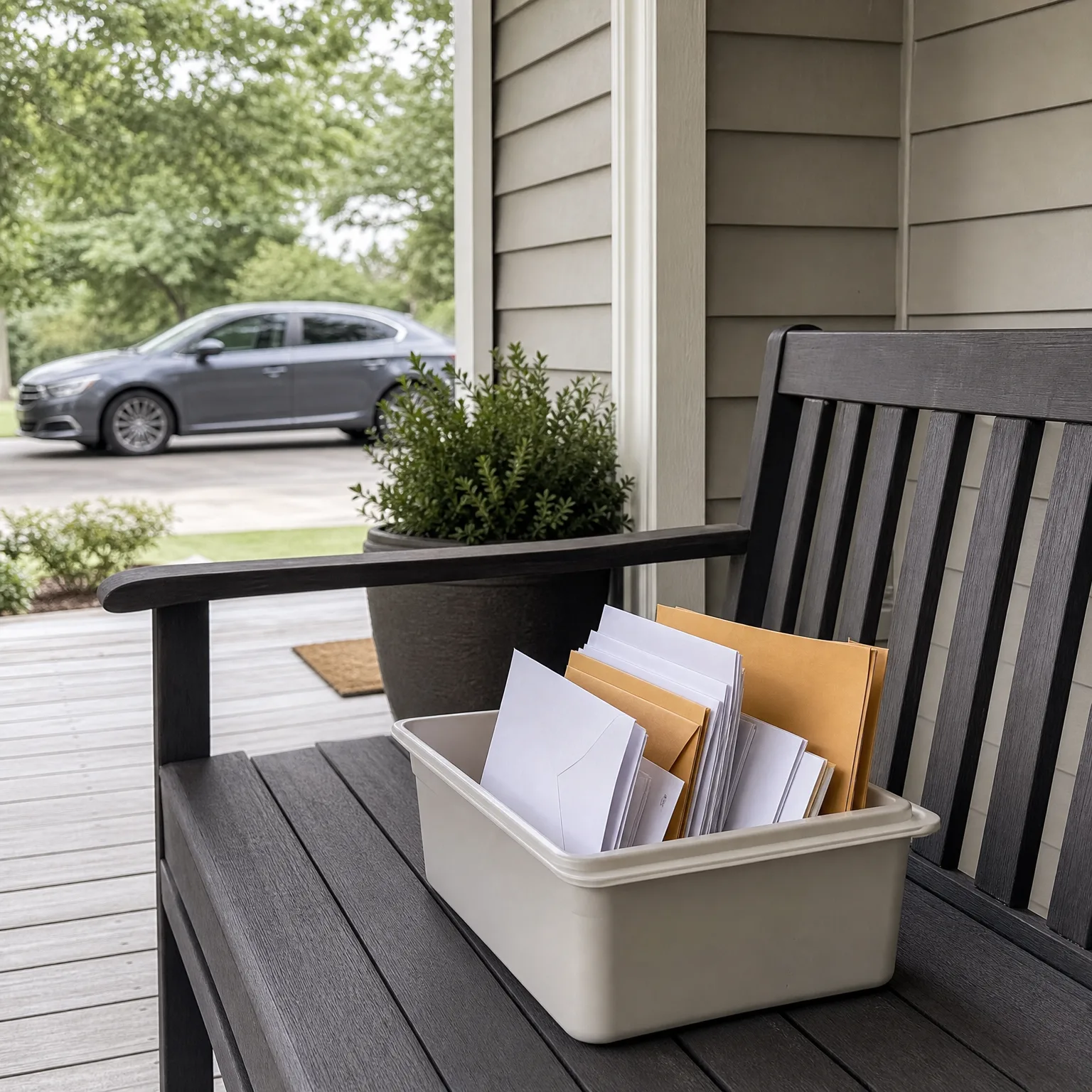
Where the car sits overnight
A car parked in an open driveway or near a tree line is far more exposed than one in a closed garage. Mice travel along cover, so a car near woodpiles, tall grass, or a shed is an easier target than one parked in the open under a light.
If you have a garage, using it in winter is one of the simplest things you can do. Check the bottom seal on the garage door itself. A gap there is often how mice get into the garage before they ever get near the car.
If the car has to sit outside, popping the hood occasionally and looking for nesting material, leaves, or chewed insulation catches a problem early, before it spreads to wiring you can't see.
Some owners park with the hood propped slightly or use a car cover that seals at the bottom. Either can help, but neither replaces checking the car itself every so often.
What you leave inside the car
Mice don't need much to settle in. Crumbs in the console, a forgotten granola bar, or pet food stored in the trunk are enough to draw them in and keep them there once they've found the car.
Cardboard, paper floor mats, and cloth seat covers also make good nesting material. Clearing loose paper and fabric scraps out of the trunk and under the seats removes the bedding along with the food.
Scent repellents and dryer sheets are commonly tried, but how well they work varies and they wear off. They're not a substitute for removing food and sealing gaps, just something some owners add on top of that.
A car driven regularly is less likely to become a nest than one left sitting for weeks. If a car is going into storage for the winter, checking it every week or two is worth the time.
Questions people ask about this
What does mouse damage to a car cost to fix?
It depends on what they chewed and how far the damage spread before it was found. Wiring repairs can mean tracing damage through the whole harness, which takes more labor than replacing a single part. Catching it early, before mice have been in the car for weeks, usually keeps the repair smaller.
Does car insurance cover rodent damage?
Whether rodent damage is covered depends on the policy, specifically whether it includes comprehensive coverage. Liability-only policies typically don't cover this kind of damage at all. Check your own policy or ask your insurer directly whether rodent damage is included and what the claims process looks like.
How do I know if mice have gotten into my car?
Common signs are chewed wires, a strong odor, droppings on the floor or in the trunk, or shredded material like napkins or insulation gathered in one spot. A check engine light or electrical issue that shows up suddenly in winter is also worth investigating under the hood.
Do ultrasonic repellent devices work for cars?
Results vary and there's no guarantee they'll keep mice out on their own. Many owners use them alongside sealing entry points and removing food rather than relying on them by themselves. If you try one, keep checking the car anyway.
Can mice damage an electric or hybrid car the same way?
Mice are drawn to wiring regardless of what powers the car, so the risk is similar. Electric and hybrid vehicles have additional wiring and insulated battery cables, which can also attract nesting. The same prevention, sealing gaps and keeping the car free of food and loose material, applies either way.
If rodent damage isn't something your policy covers, it's worth seeing what other options look like.
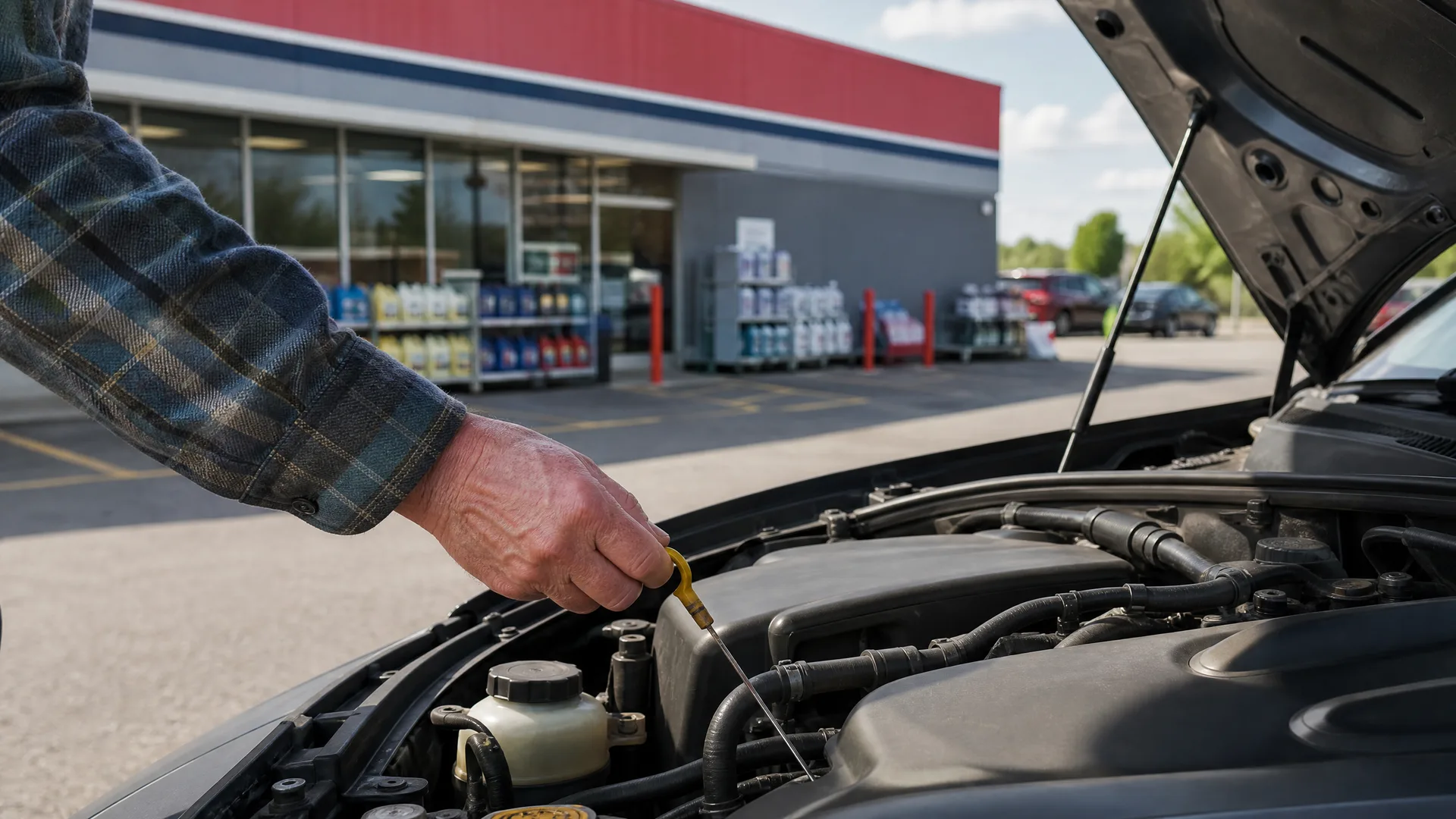
Check your own policy this week to see whether comprehensive coverage is included and whether it mentions rodent or vermin damage specifically. If you're not sure, call your insurer and ask directly rather than assuming either way. While you're at it, take ten minutes to clear food wrappers and loose paper out of your car and look under the hood for any early signs of nesting. If the car sits outside, start checking it every week or two through the winter rather than waiting for a problem to show up on its own.