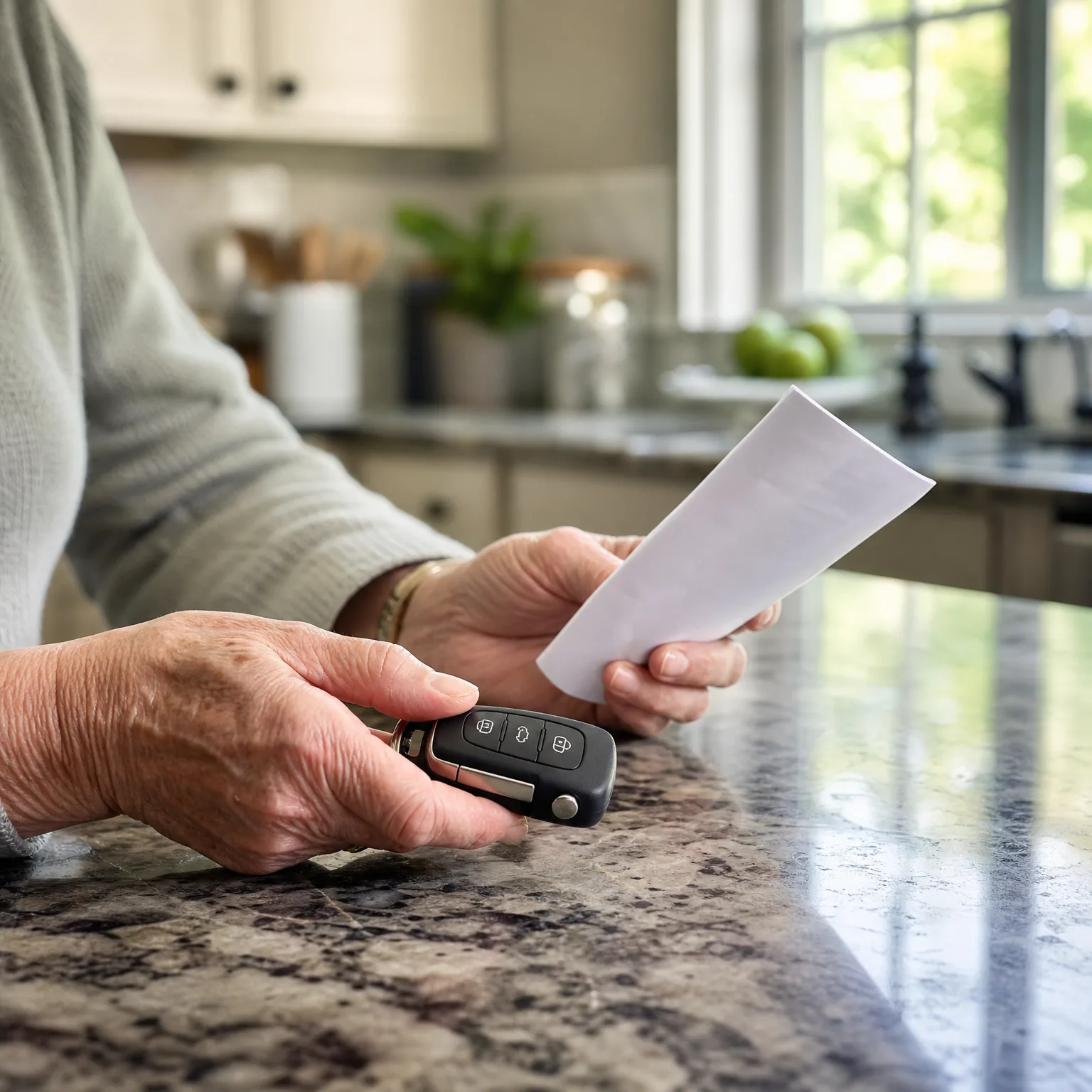
What Is a Numbers Matching Classic Car
A numbers matching classic car still has the original engine and major components the factory installed, which is why it carries more value and usually costs more to insure.
It means the car's major parts are the ones it left the factory with
A numbers matching classic car is one where the engine, and often the transmission and rear axle, still carry the identification numbers that were stamped on them when the car was built. Those numbers match the ones on the car's title and body, which is how collectors and appraisers confirm nothing major has been swapped out over the years.
This matters to you mainly for insurance value. A numbers matching car is worth more than an identical model with a replacement engine, because the original parts are harder to find and the history is easier to prove. If you're insuring one, you'll want an agreed value or stated value policy rather than standard coverage, since a regular policy will only pay out what an insurer decides a similar car is worth, not what yours actually is.
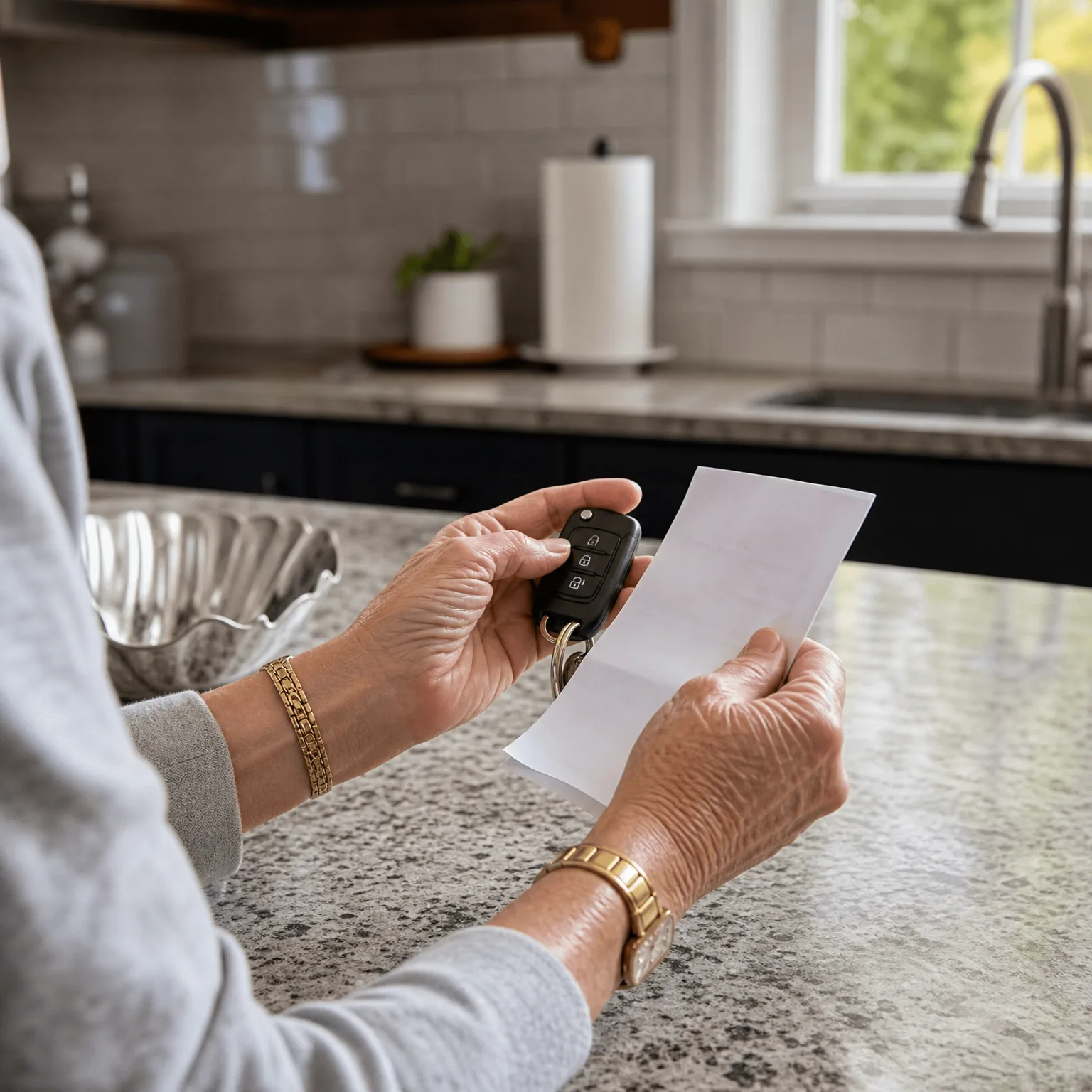
How you prove it changes what your insurer will pay
Telling an insurer your car is numbers matching isn't enough. You need documentation, which usually means a build sheet, a window sticker, a title history, or a written appraisal from someone qualified to verify the numbers. Without that paperwork, an insurer has no way to value the car any differently from a non-matching one.
If you don't already have this documentation, it's worth tracking down before you shop for coverage. Car clubs for your specific make and model often know which records exist and how to request them. An appraisal done now, while the car is in your possession and you can answer questions about its history, is much easier to get than one done after a loss.
Once you have the documentation, bring it to the insurer directly rather than assuming it will be requested. Ask specifically whether they offer agreed value coverage for classic or collector cars, since not every insurer does, and the ones that do often have their own rules about mileage, storage, and use that affect eligibility.
How you use the car affects whether it qualifies for collector coverage
Most collector car policies, including the agreed value ones that protect numbers matching cars properly, require limited use. That typically means the car isn't your daily driver, isn't used for commuting, and is stored in a garage rather than left outside or on the street.
If you drive the car regularly or don't have covered storage, some insurers will decline collector coverage altogether or offer it with conditions that don't fit how you actually use the car. This is worth asking about early, before you've assumed a policy will cover a car the way you drive it.
The rules here vary by insurer, not by state, so it's worth calling more than one to compare how they define limited use and what they require for storage. Some are stricter than others, and a car that doesn't qualify with one insurer may qualify with another.
Questions people ask about this
How do I find out if my classic car is numbers matching?
You'll need to check the stamped numbers on the engine and compare them to the numbers on the title, the body tag, or factory records for that model. A marque specialist, a car club for that make, or a professional appraiser can usually verify this if you're not sure what you're looking at or where the numbers are stamped.
Does a numbers matching engine increase insurance value?
Yes, because it's a major factor in what the car is actually worth to buyers and collectors. An agreed value policy lets you and the insurer settle on that higher value in advance, rather than leaving it to be argued over after a claim.
What happens if I replace a part on a numbers matching car?
The car generally stops being numbers matching for that component once the original part is gone, even if the replacement is correct for the model and year. This can lower the car's value and may change what an insurer is willing to agree to for coverage, so it's worth telling your insurer before you make the swap.
Can I get agreed value coverage without a numbers matching engine?
Often yes, since agreed value coverage is available for many collector cars regardless of whether every part is original. The car's overall condition, rarity, and documentation matter too, so ask the insurer what they base their valuation on rather than assuming numbers matching is required.
Do I need a separate appraisal every year for collector car insurance?
This depends on the insurer, since some ask for a fresh appraisal periodically and others only require one when you first set the agreed value or when you make a significant change to the car. Ask your insurer directly how often they want the valuation updated.
If you want a policy that actually reflects what your car is worth, it helps to compare how different insurers handle collector and agreed value coverage.
Gather whatever documentation you have on the car's history this week, including any build sheet, title records, or past appraisals. If you don't have a recent appraisal, contact a qualified classic car appraiser or a club for your car's make to get one started. Then call a few insurers that offer collector car coverage and ask specifically about agreed value policies, what documentation they require, and what limited use rules apply to your situation. Have the car's year, make, model, and current storage arrangement ready when you call, since you'll likely be asked about all three.