Owning a Classic Car in Retirement
A classic car fits well into retirement, as long as the policy reflects how little you actually drive it.
Yes, and retirement often makes it easier
Retirement suits classic car ownership better than working life did. You have time to drive it on your terms, store it properly, and take it to shows or club meets instead of letting it sit. Insurers tend to like this too, because a car driven occasionally and garaged carefully is a better risk than one used for commuting.
The part that takes more thought is the insurance itself. A classic car usually needs a specialty policy, not a standard auto policy, because the car's value and how you use it don't match what a regular policy is built for. Whether that works in your favor depends on your mileage, where you keep the car, and what the car is actually worth.
How you use the car changes what you need
Specialty classic car insurers generally ask about mileage limits, and most retirees fall well within them since the car isn't a daily driver. If you plan to use the car more than that, for long road trips or frequent weekend driving, say so when you apply. Insurers set these limits differently, so ask directly what counts as exceeding them and what happens if you do.
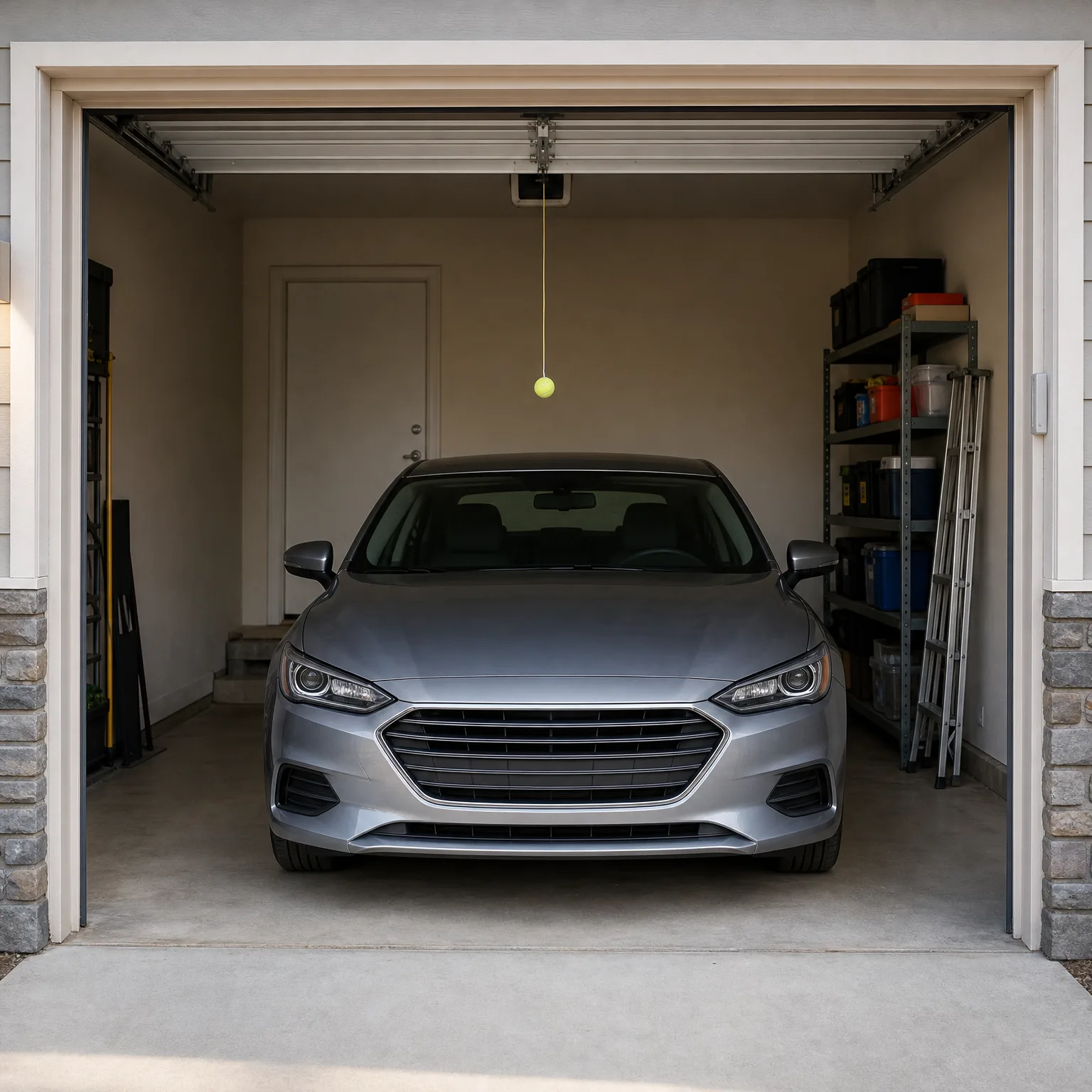
Storage matters just as much. A car kept in a locked garage typically costs less to insure than one parked in a driveway or a shared lot. If you're moving in retirement, whether to a smaller home, a community with shared parking, or somewhere you spend part of the year away, tell your insurer about the new storage situation before you renew.
Agreed value coverage is worth asking about specifically. Many classic car policies let you and the insurer agree on the car's value up front, so you're not stuck with a standard depreciation calculation if the car is ever totaled. This matters more the older or rarer the car is, since a regular policy might undervalue it badly.
Your own driving record and health still count
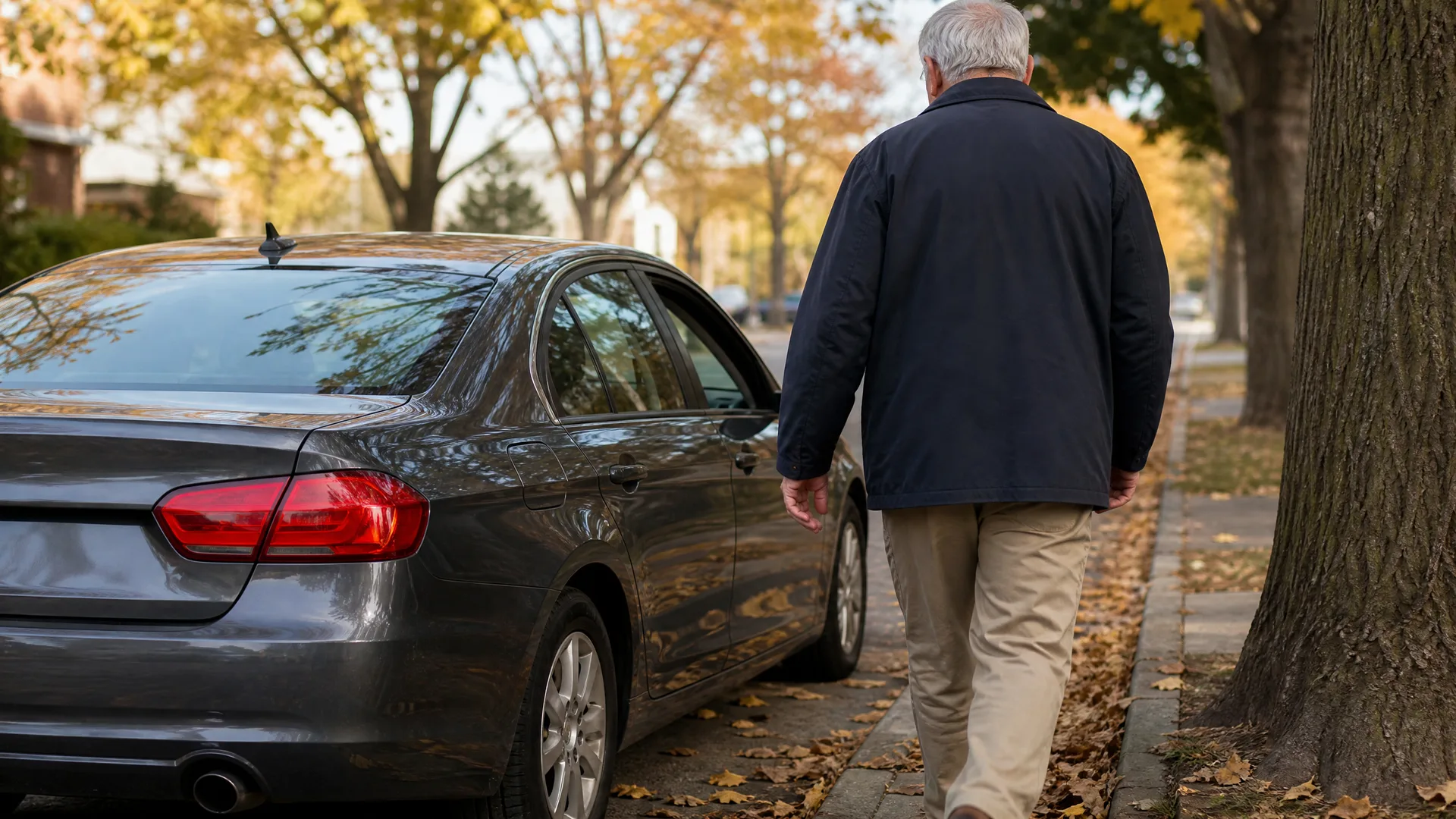
A classic car policy doesn't erase the rest of your insurance picture. Insurers typically still look at your driving record and may ask about your standard auto policy, since classic car coverage is usually secondary to a daily driver you also insure. If you've given up your regular car and the classic is your only vehicle, say so, because that changes which kind of policy fits.
Vision and health changes that come with age apply here the same as with any car. If your state requires vision tests or other checks at renewal, those requirements apply whether you're driving a classic or anything else. A clean record and an up to date license keep the classic car policy straightforward.
If you stop driving the classic car entirely, for a season or longer, ask about storage-only coverage. This protects the car from fire, theft, and damage without charging for the liability and driving coverage you don't need while it's parked.
Questions people ask about this
What qualifies a car as a classic for insurance purposes?
Insurers set their own age and condition requirements for classic car coverage, so there's no single rule. Ask the insurer directly what age, mileage, and condition standards they use, since a car that qualifies with one company may not with another.
Can I drive my classic car every day in retirement?
You can, but it may not be covered under a classic car policy if you do. These policies are generally priced around occasional use, so daily driving could mean you need a standard auto policy instead, or a policy with a higher mileage allowance. Check the mileage terms before you rely on the car for everyday trips.
Do I need a separate policy for my classic car and my regular car?
Usually yes, since classic car insurers typically require you to carry a standard policy on another vehicle you use for daily driving. If you only own the classic car, tell the insurer, because the coverage you need will look different.
What happens to my classic car policy if I move to a retirement community?
It depends on where and how the car will be stored at the new address. Tell your insurer about the change, since a shift from a private garage to shared or outdoor parking can affect your coverage and what you pay.
Should I pass my classic car to a family member instead of keeping it insured myself?
That depends on your situation, including who will drive it and how often. If you're considering this, ask your insurer how a change in ownership or primary driver affects the policy, since the answer varies by insurer and by state.
See how classic car coverage compares before your next renewal.
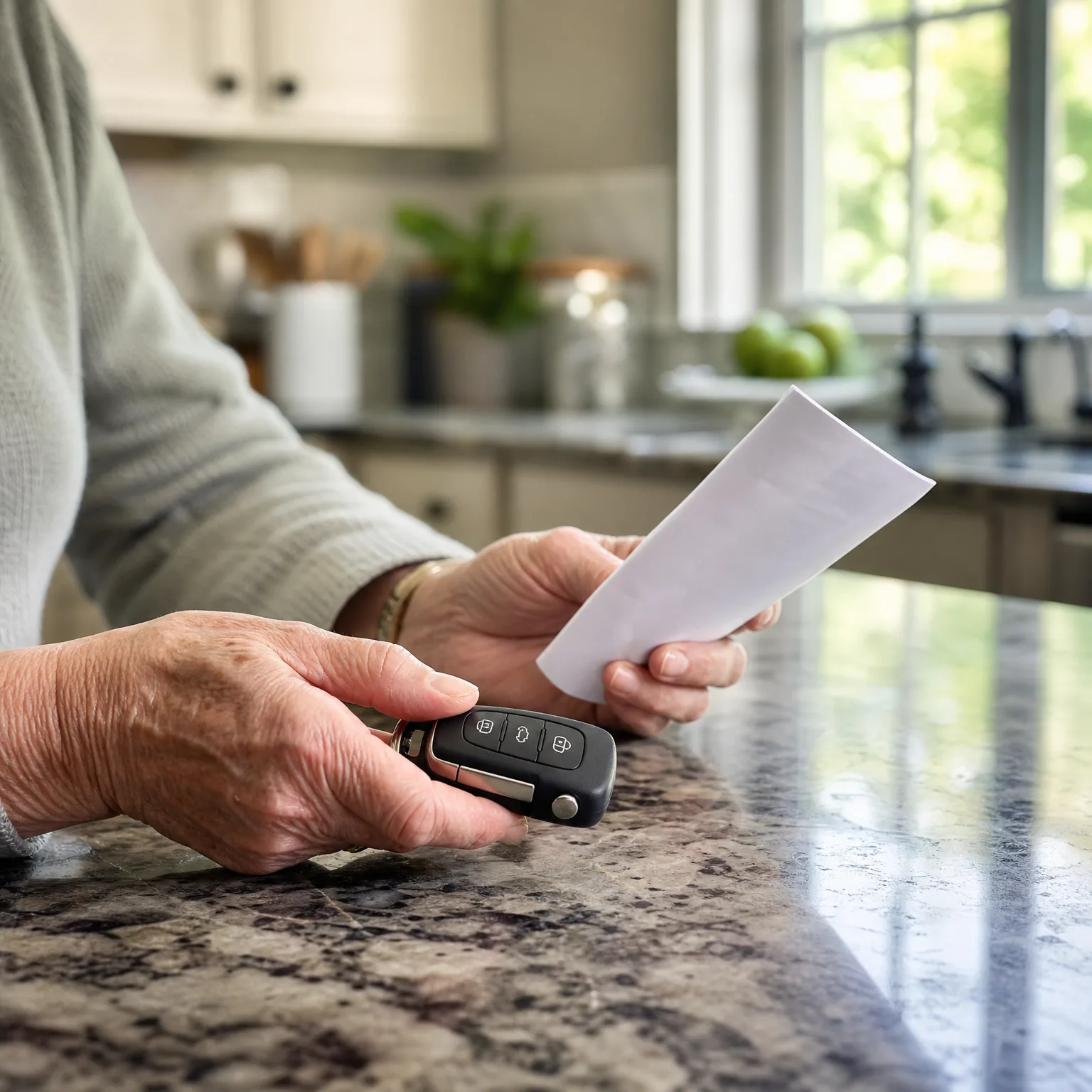
Pull out your current policy, whether it's a standard auto policy or an existing classic car policy, and check how it defines mileage limits and storage requirements. Call your insurer or agent and ask whether your actual driving habits and storage situation still match what the policy assumes. If you've moved, changed how often you drive, or given up a daily driver, mention all of it, since any of these can change what coverage fits. Ask specifically whether the policy includes agreed value coverage and what it would take to add it. If you're not sure your current insurer specializes in classic cars, compare a few quotes from insurers who do, since the terms and mileage allowances vary more than they do with standard auto coverage.