How to Document a Classic Car History
A classic car's documented history can lower what it costs to insure and protect you if you ever file a claim.
Keep every paper trail the car has ever produced
Start with the title and registration history. Pull a vehicle history report using the VIN, and keep copies of every past title transfer you can find. These show the car's chain of ownership and confirm it hasn't been written off or rebuilt from salvage.
After that, collect repair receipts, restoration invoices, photos from past work, and any judging sheets from car shows. Insurers who write classic car policies often ask for this kind of documentation when you apply, because it helps them understand the car's condition and value. The more complete the file, the easier that conversation goes.
The agreed value depends on what you can prove
Classic car policies are usually written on an agreed value basis, meaning you and the insurer settle on what the car is worth before anything happens to it. That number is only as strong as what backs it up.
Appraisals carry more weight when they come with supporting paperwork. A professional appraiser will want to see the restoration history, receipts for major parts and labor, and photos showing the work as it was done, not just the finished result. Without that paper trail, an appraisal is just one person's opinion of the car's condition.
If you bought the car already restored, ask the previous owner for everything they have. Shop invoices, parts receipts, even old insurance paperwork can fill gaps you can't recreate yourself. Once that history is gone, it's gone.
Photos and storage records matter as much as paper
Dated photographs of the car, inside and out, engine bay included, help establish both its condition and that it's being kept the way a classic car policy expects. Take new ones whenever you do significant work, and keep the old ones rather than replacing them.
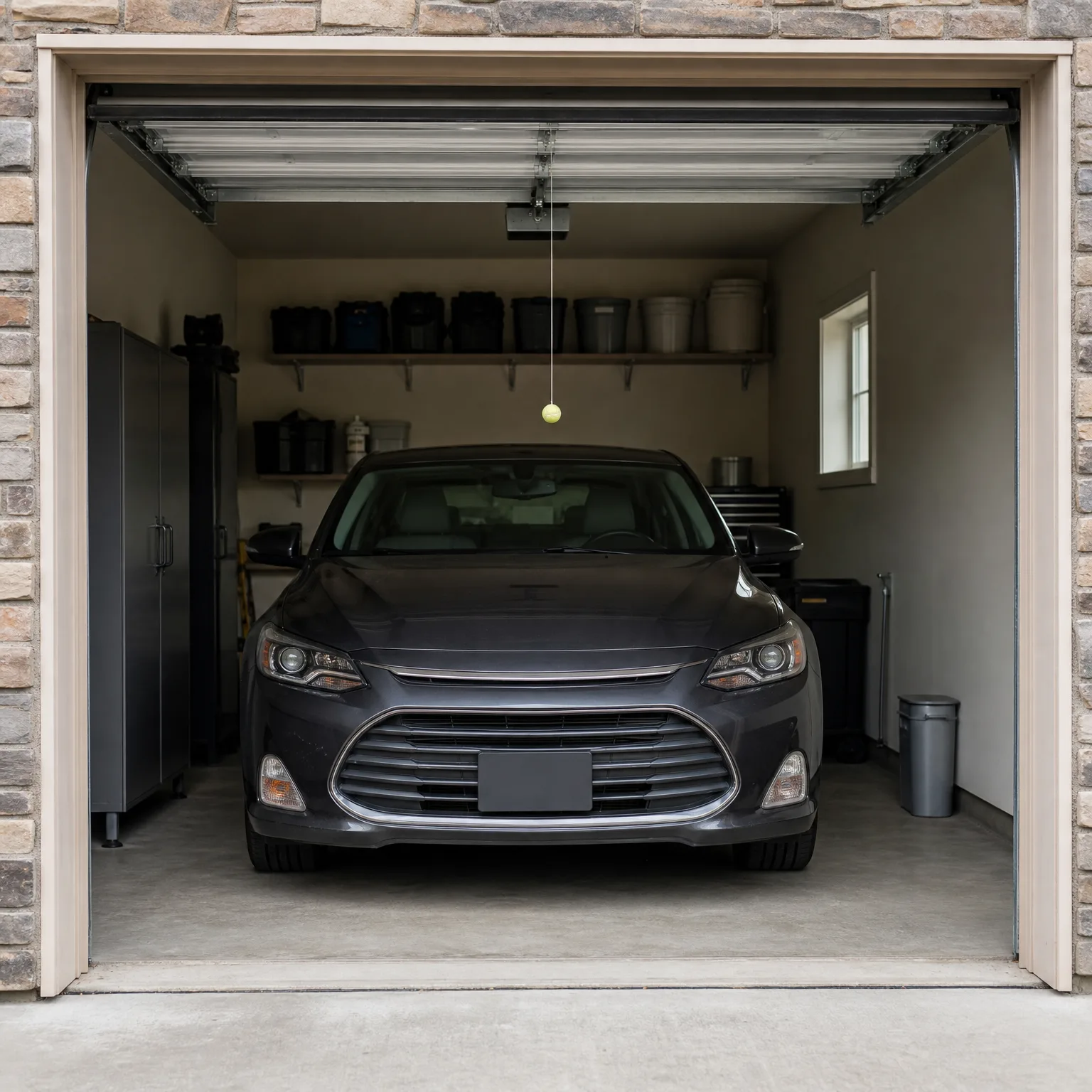
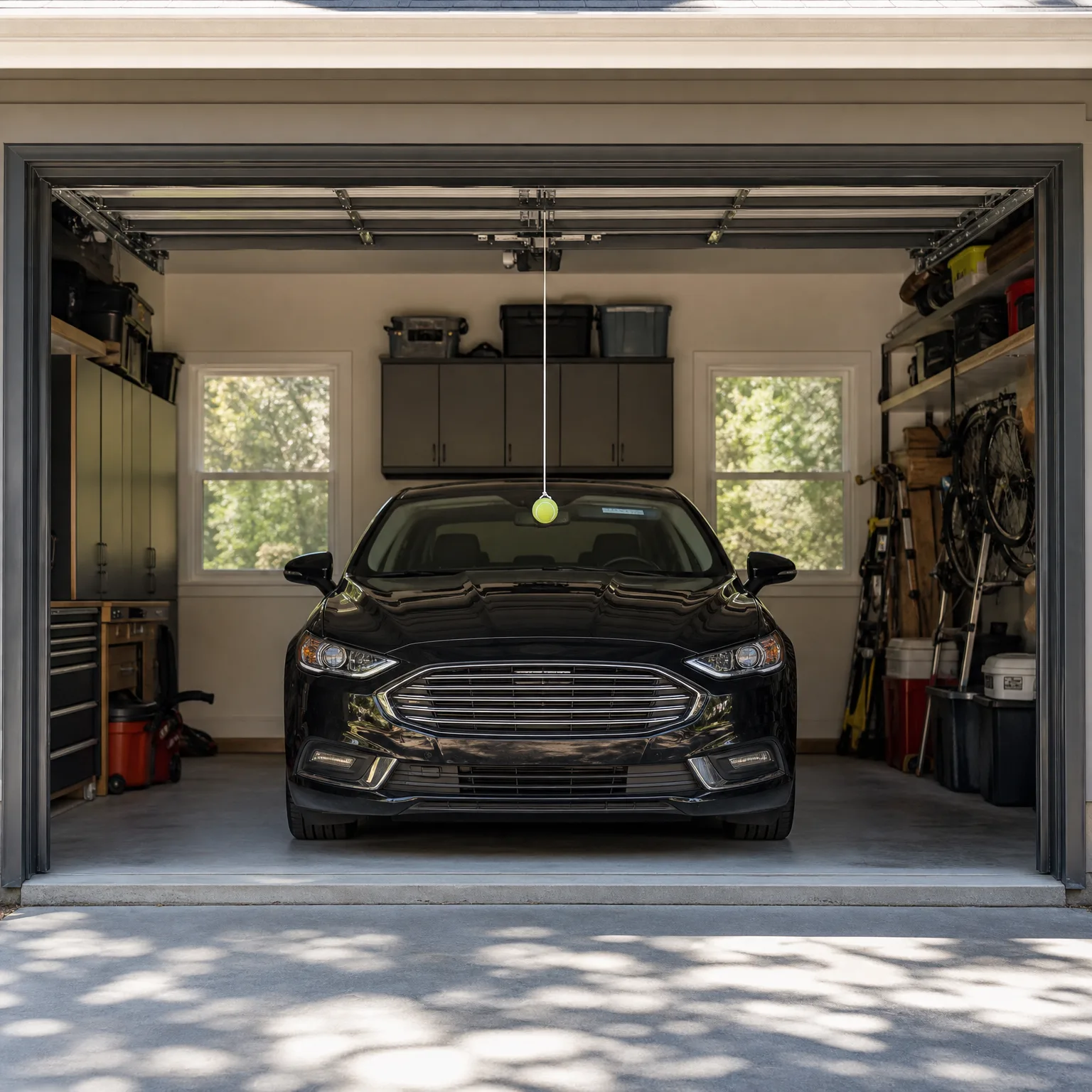
Many classic car policies also require proof of secure, covered storage, since the policy usually rests on the car being driven and kept a certain way. A photo of the garage, a storage agreement if you rent space, or a receipt for a car cover can all become part of this file.
Mileage records matter too. Classic car policies often limit how much the car is driven each year. Keeping a simple log, or at least photographing the odometer periodically, gives you something to point to if your insurer ever asks.
Questions people ask about this
What documents does a classic car insurance company actually ask for?
This varies by insurer, so ask directly before you apply, but most want the title, a bill of sale, photos of the car's current condition, and some evidence of how it's stored. Some also want a professional appraisal. Check with the specific company, since requirements differ from one to the next.
How do I find the original owner of a classic car?
Start with the title history from a vehicle history report, which often lists the state where the car was first registered and sometimes the dealer. Old registration cards, dealer invoices, or even a build sheet still tucked in the glovebox can lead you further back. Classic car clubs for the specific make are also often able to help track ownership history.
Does a documented history increase a classic car's insurance value?
A well-documented history supports a higher agreed value, because it gives the insurer or appraiser something concrete to base that number on. A car with no paperwork and no photos is harder to value accurately, which can mean a lower agreed value or more back and forth during the application. Ask your insurer how they weigh documentation when setting the agreed value.
Do I need a professional appraisal for a classic car policy?
Many classic car insurers require one, but policies differ, so ask the specific company before you assume. If one is required, bring your full paper trail to the appraisal. The appraiser can only account for condition and history they can see or verify.
What happens if I don't have the original title for a classic car?
You can usually apply for a replacement or a bonded title through your state's motor vehicle agency, though the exact process depends on the state. This matters for classic car insurance because a clean title history is often part of how the car's value and ownership are verified, so it's worth resolving before you apply for a policy.
See what insurers ask for before you put together your file.

Before you apply for a classic car policy, gather the title, any past registration records, repair and restoration receipts, and dated photos of the car's condition. Call a few insurers that write classic car policies and ask exactly what documentation they want, since this differs from one company to the next. If you don't have an appraisal yet, ask whether one is required and whether they have appraisers they work with. Start a simple folder, paper or digital, and add to it every time you do work on the car or take it to a show. The earlier you start keeping this record, the more complete it will be when you actually need it.