What Happens If My Classic Car Is Totaled
If your classic car had an agreed value policy, you get that amount. If it didn't, you may get far less than the car was worth.
It depends on whether you had an agreed value policy
If your classic car was insured on an agreed value policy, the insurer pays the amount you and they agreed on when you bought the policy. That number was set in advance, often based on an appraisal, and it doesn't change because of mileage or the general used car market.
If your classic car was insured on a standard auto policy instead, the insurer pays actual cash value. That means they decide what the car was worth right before the accident, using comparable sales, and classic cars rarely have enough comparable sales nearby to make that number fair. This is the main reason the payout can come as a shock.
What kind of policy you actually had
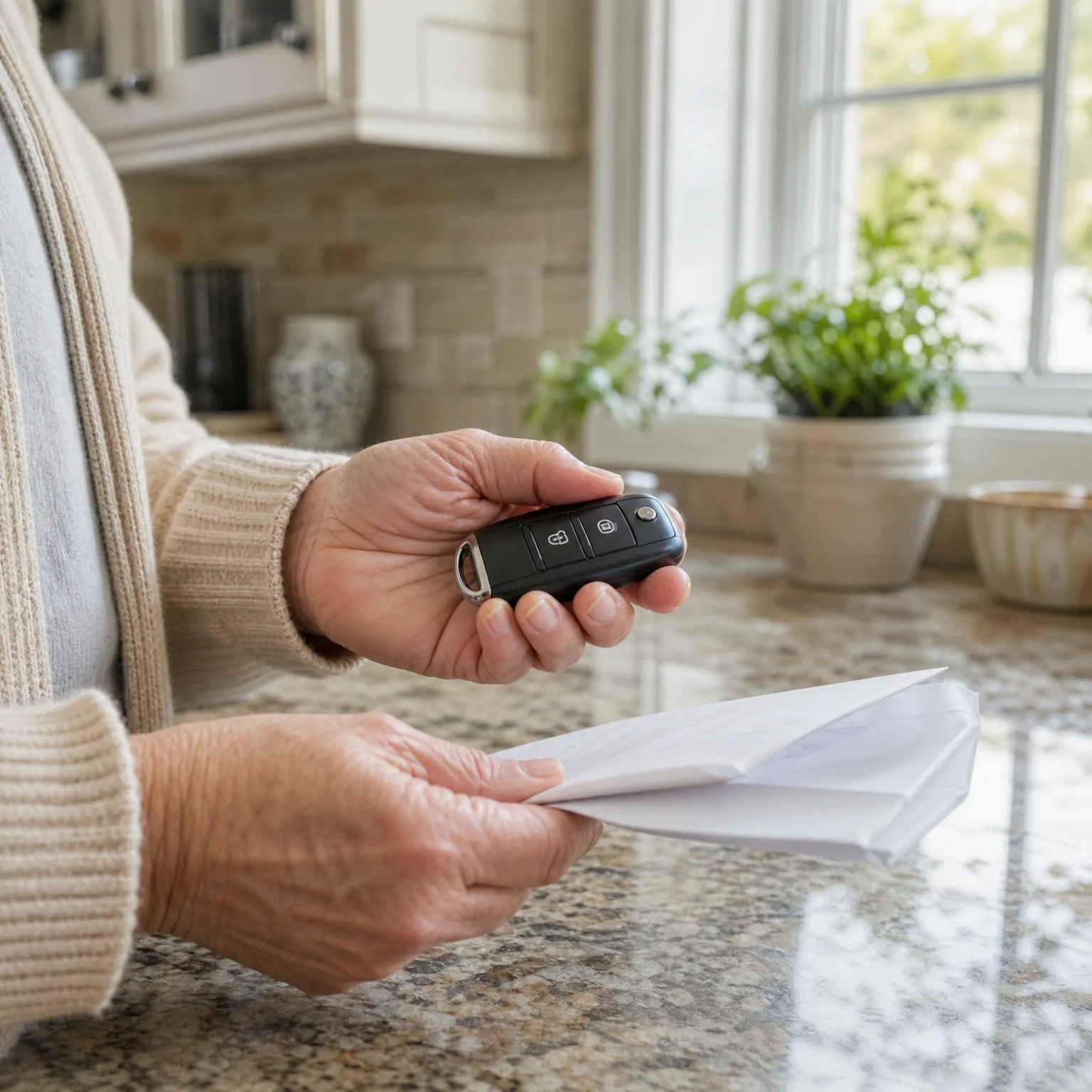
Not every policy that insures an old car is a classic car policy. Some owners insure a collectible vehicle through their regular auto insurer, on the same kind of policy that covers a daily driver. That policy was never built to value a car like this one, so it defaults to actual cash value when a claim comes in.
A true classic car policy, the kind written by an insurer that specializes in collector vehicles, almost always uses agreed value instead. The difference shows up only when the car is totaled, so plenty of owners don't find out which one they have until that moment.
Check your declarations page before anything happens. It will say agreed value or state a stated value or actual cash value basis. If you're not sure what you're reading, call your agent and ask directly which one applies to this car.
If you find out you have actual cash value coverage on a car worth meaningfully more, that's worth fixing now, while the car is still intact, not after a claim is filed.
Whether the agreed value was set correctly to begin with
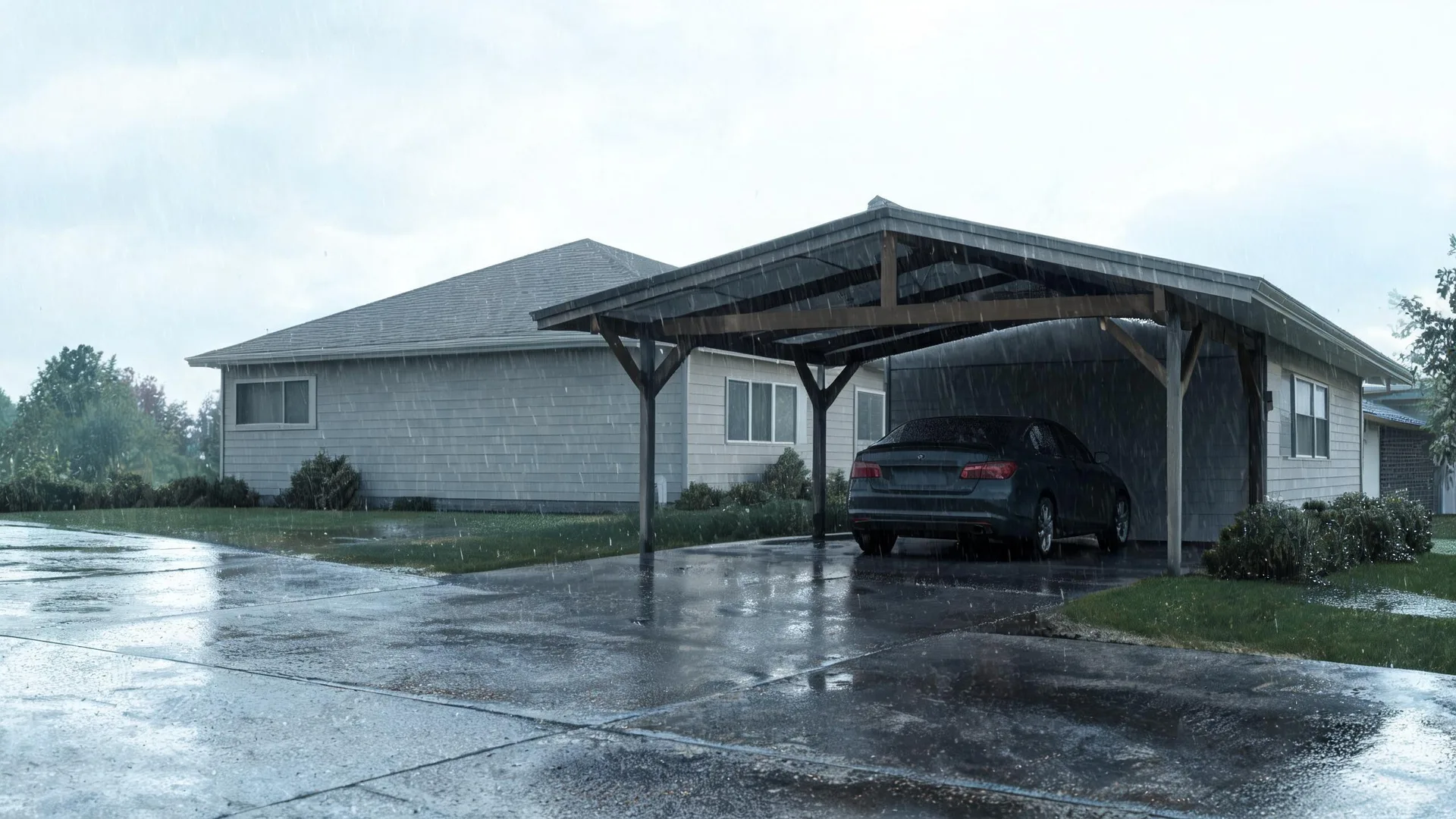
An agreed value policy only protects you if the value on it is accurate. If the car was appraised years ago and has since been restored, had work done, or simply appreciated, the number on the policy may be lower than what the car is worth today.
Most classic car insurers want a current appraisal when you write or renew the policy, and some ask for one on a regular schedule. If you skipped that step, the agreed value could be stale.
After a total loss, the agreed value on the policy is generally what you'll be paid, even if you believe the car is worth more now. This is why reviewing and updating the appraisal matters more than people expect, long before any claim.
If your car has gone up in value since the policy was written, ask your insurer what it takes to update the agreed value and how often they recommend a new appraisal.
Questions people ask about this
Can I keep my totaled classic car instead of taking the payout?
Often yes, through what insurers call a salvage retention or buyback. The insurer typically reduces the payout by the car's salvage value if you keep it. Ask your adjuster whether this is available and how the deduction is calculated before you decide.
Who decides what my classic car is worth after an accident?
If you have agreed value coverage, you and the insurer already decided this when you bought the policy. If you have actual cash value coverage, the insurer's adjuster decides at the time of the claim, usually based on comparable sales and any appraisal you provide.
Do I need a special appraiser for a classic car claim?
It helps to have an appraisal from someone who specializes in collector vehicles rather than a general auto appraiser. Ask your insurer whether they require a specific type of appraisal or accept independent ones, since this varies by insurer.
Will my classic car insurance go up after a total loss claim?
That policy no longer exists once the claim is paid, so there's nothing on it to raise. If you insure another classic car afterward, ask the insurer directly whether a past total loss claim affects your rate or eligibility.
What happens to a classic car loan if the car is totaled?
The insurer's payout goes toward the loan balance first if there's a lienholder on the policy. If the agreed value is less than what you owe, you're responsible for the difference, so check your loan balance against your coverage now rather than after a loss.
See what it would cost to insure your classic car the right way, before you need to find out the hard way.
Pull out your current policy's declarations page this week and find the line that says how your car is valued. If it doesn't clearly say agreed value, call your agent and ask them to confirm it in plain terms. If you do have agreed value coverage, check the date of your last appraisal and ask whether it still reflects the car's current condition and market. If anything has changed since that appraisal, restoration work, upgrades, or a shift in what similar cars are selling for, ask what it takes to update the number now. None of this fixes a claim already in progress, but it's exactly what prevents the next one from going badly.