Why Is Classic Car Insurance So Cheap
A classic policy covers a car that sits in a garage most of the year, not one that goes to work and back, and that low use is most of why it costs less.
It's cheap because of how the car is used, not because the car is old
Classic car insurance costs less mainly because the policy assumes the car is driven rarely, stored carefully, and kept away from daily traffic. Insurers price risk on how much a car is on the road and what it's exposed to, and a car that comes out for a weekend drive or a car show a few times a month is a much smaller risk than one that commutes.
The agreed value also plays a part. Many classic policies set a fixed value for the car up front instead of tracking a depreciating market value the way a standard policy does. That doesn't lower the price by itself, but it lets the insurer write a narrower, more predictable policy, and narrower risk tends to cost less.
How the car is used sets the price more than its age does
The biggest factor is mileage. Classic policies usually come with an annual mileage limit, and the lower that limit, the less the car is exposed to accidents, weather, and other drivers. If you're quoting classic coverage, you'll likely be asked to estimate yearly mileage, and that number matters more than the car's year or make.
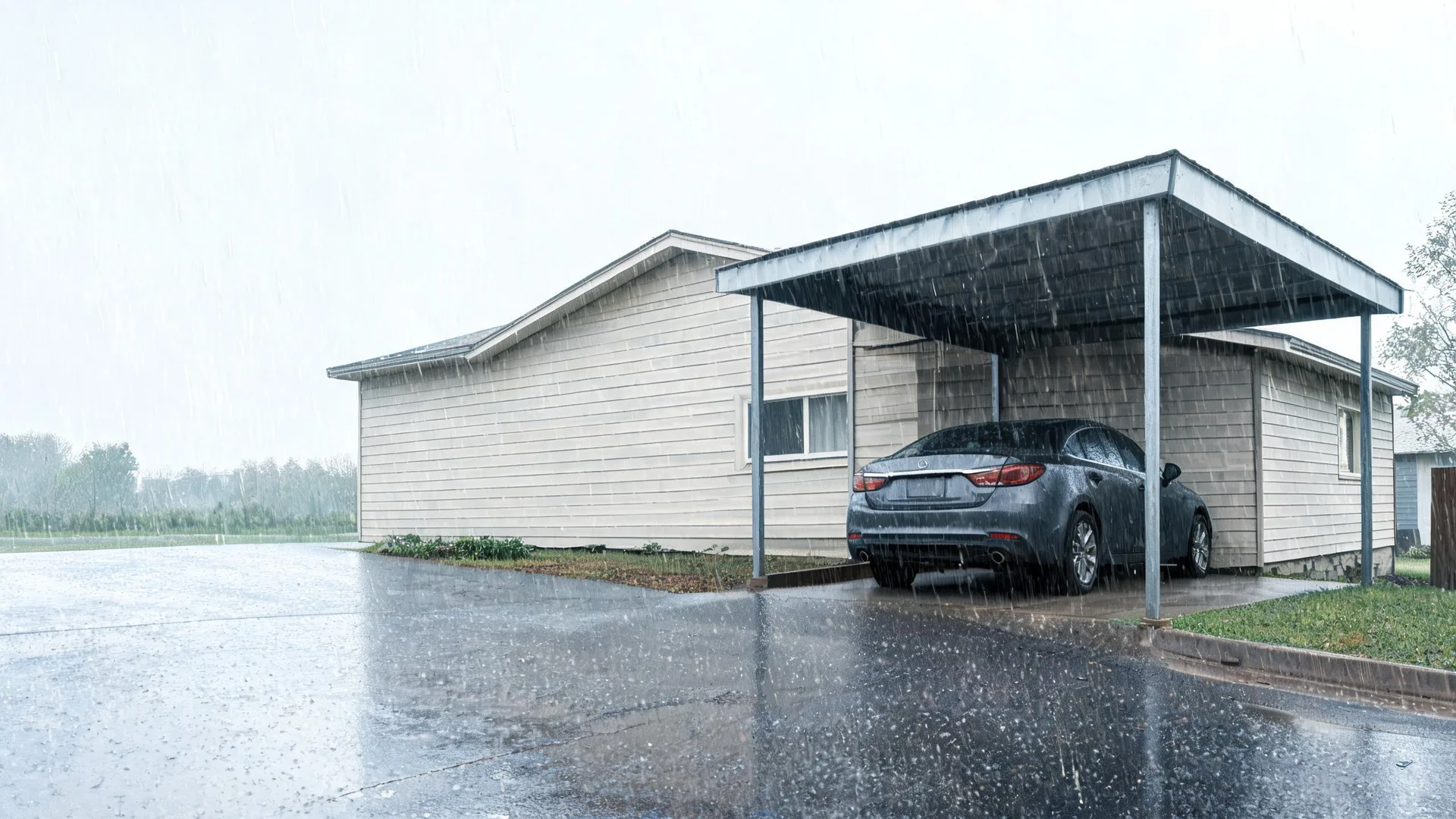
Storage matters too. A car kept in a locked garage is a smaller theft and weather risk than one parked on the street, and insurers ask about this directly.
This is also why the savings disappear if the car becomes a daily driver. If you start using a classic car for errands, commuting, or regular trips, you're outside what the policy was priced for, and some policies won't cover a claim that happens while the car is being used that way. Check with your insurer about what counts as everyday use under your specific policy.
If you're deciding whether to insure a car as a classic, the honest question is how often it will actually be driven. If the answer is often, a standard policy may end up being the more accurate fit even if the sticker price looks higher.
What people get wrong about the savings
A common assumption is that any older car qualifies for classic rates. Insurers set their own rules for what counts as a classic, often based on age, modification, and how the car is kept, and those rules vary by insurer. If your car doesn't meet the definition, you won't get the classic price no matter how old it is.
Another thing people miss is that agreed value cuts both ways. It can mean a fair payout if the car is totaled, but it can also mean the value was set low at the start, which keeps the premium down but limits what you'd collect later. It's worth checking how your insurer set the agreed value and whether you can revisit it.
People also assume liability coverage is cheaper too, but liability often isn't tied to the car's value at all. It's priced on the driver and the risk of causing harm to others, so a classic car policy can still carry a real liability cost even while the physical damage portion is low.
Questions people ask about this
does classic car insurance cover theft?
Most classic car policies do cover theft, but they often require specific storage conditions, like a locked garage, to keep that coverage in place. Check your policy's storage requirements, since parking the car somewhere else even temporarily can affect a claim.
can i drive my classic car insurance everyday?
Generally no. Classic policies are priced around limited use, and driving the car daily usually goes against the mileage limits or usage terms in the policy. If you want to drive it regularly, ask your insurer whether you need a standard policy instead.
what qualifies a car as a classic for insurance?
It depends on the insurer. Each company sets its own age, condition, and modification requirements for what counts as a classic, so a car that qualifies with one insurer might not with another. Ask the insurer directly what their classic car definition requires.
do i need an appraisal for classic car insurance?
Many insurers require one to set the agreed value on the policy, especially for rarer or heavily modified cars. Ask your insurer whether they require a professional appraisal or accept documentation like purchase records and photos instead.
does classic car insurance affect my regular car insurance rate?
Not directly. The two policies are usually priced separately since they cover different cars and different use patterns. Your driving record can still affect both, so ask your insurer how a claim on one policy might be viewed when pricing the other.
See what a classic car policy would actually cost for your car and how you use it.
Pull together what you have on the car: the year, mileage, how it's stored, and any modifications. Call your current insurer first and ask whether they offer classic coverage and what their definition of a classic requires. Ask specifically about the mileage limit and what counts as approved storage, since those two things drive most of the price. If your insurer doesn't offer it or the terms don't fit how you use the car, compare quotes from insurers that specialize in classic coverage. Keep a record of the agreed value conversation, since that number matters more than the premium if the car is ever damaged or stolen.