Antique Car Insurance for Seniors
Insurers write antique car policies around how the car is driven and stored, so age by itself rarely raises the cost or limits the coverage.
Yes, and age usually isn't the deciding factor
Antique car insurers care most about the car's value, how it's stored, and how many miles it covers in a year. A senior driver with a clean record and a garage for the car is often an easier policy to write than a younger driver with the same car.
What does matter is whether you still hold a valid regular driver's license, since most antique policies require you to also carry standard coverage on a daily driver. If your state has added vision or road tests at renewal, that applies to your license overall, not to the antique policy by itself.
How the car is used changes the quote more than your age does
Antique insurers set mileage limits because these cars are meant for shows, club events, and occasional drives, not commuting. The lower the annual mileage you agree to, the more insurers treat the car as low risk, regardless of who's driving it.
If you've cut back on driving in general, that can actually help here. A senior who takes the antique out a few times a season fits the exact use case these policies are built for.
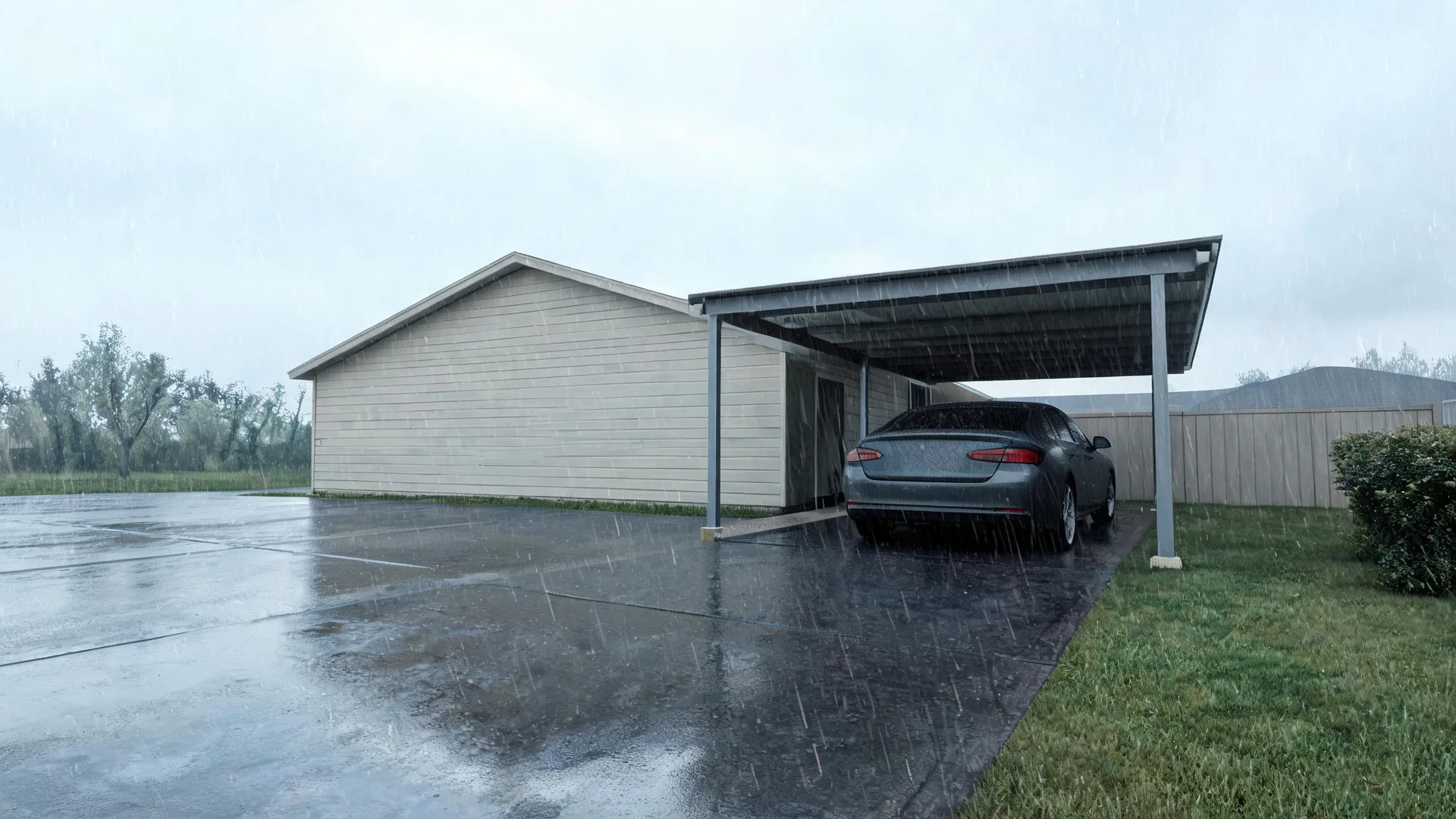
Storage matters just as much. A locked garage usually gets a better rate than street parking or an open carport, because the insurer is weighing theft and weather damage, not your driving record.
Ask what mileage cap the policy assumes and what happens if you go over it. Some insurers adjust the premium, others require you to call and amend the policy before you exceed the limit.
Your regular driver's license is the piece to watch
Almost every antique car insurer requires the owner to also carry a standard auto policy on another vehicle, used for everyday driving. That requirement doesn't change with age, but keeping that standard license valid does matter for the antique policy to stay in force.
If your state requires renewed testing at certain ages, a lapsed or restricted license on your daily driver can affect your antique coverage too, since the two policies are often linked. Check with your state's DMV on what your license renewal requires, since this varies by state.
If you've stopped driving your daily car and only drive the antique now, say so to your insurer directly. Some companies have a different structure for antique-only owners, and others won't write a policy without an active daily-use vehicle on file.
Questions people ask about this
Can I insure an antique car if I only drive it a few times a year?
Yes, and low usage is exactly what antique car insurers are set up for. You'll typically agree to a mileage limit as part of the policy, and staying under it is what keeps the lower rate in place.
Does an antique car need an agreed value policy?
Most antique and classic car policies use agreed value instead of actual cash value, meaning you and the insurer settle on the car's worth upfront. This matters more than your age, since it determines what you'd be paid if the car were totaled or stolen.
What counts as an antique car for insurance purposes?
Insurers set their own age and condition requirements for what qualifies as antique or classic, and these vary by company. Check with the insurer directly on what year and condition thresholds they use before assuming your car qualifies.
Will my antique car insurance cost more if I stop driving a daily car?
It depends on the insurer, since many require an active standard auto policy alongside the antique one. Ask your insurer what happens to your antique coverage if you give up your regular car or let that policy lapse.
Do I need a separate policy for a car I only drive in parades or shows?
Usage like parades and shows is typically what antique insurers expect and price for, rather than something requiring extra coverage. Tell your insurer exactly how and where you plan to drive the car, since that shapes which policy terms apply.
See how different insurers price your antique car before you renew.
Pull together your antique car's title, any appraisal or purchase paperwork, and your current mileage habits before you call around. Have your daily driver's policy information on hand too, since most antique insurers will ask about it. Ask each insurer what mileage cap applies, what storage they require, and whether they use agreed value. If your license renewal is coming up, check with your state DMV first so there's no gap between your regular license and your antique policy. Comparing a few quotes now, while your current policy is still active, gives you time to switch without a lapse in coverage.