What Can I Use Instead of a Garage
Insurers care less about a garage itself than about keeping your car off the public street, and a driveway, carport, or secured lot can often get you the same treatment.
A driveway, carport, or parking lot can work
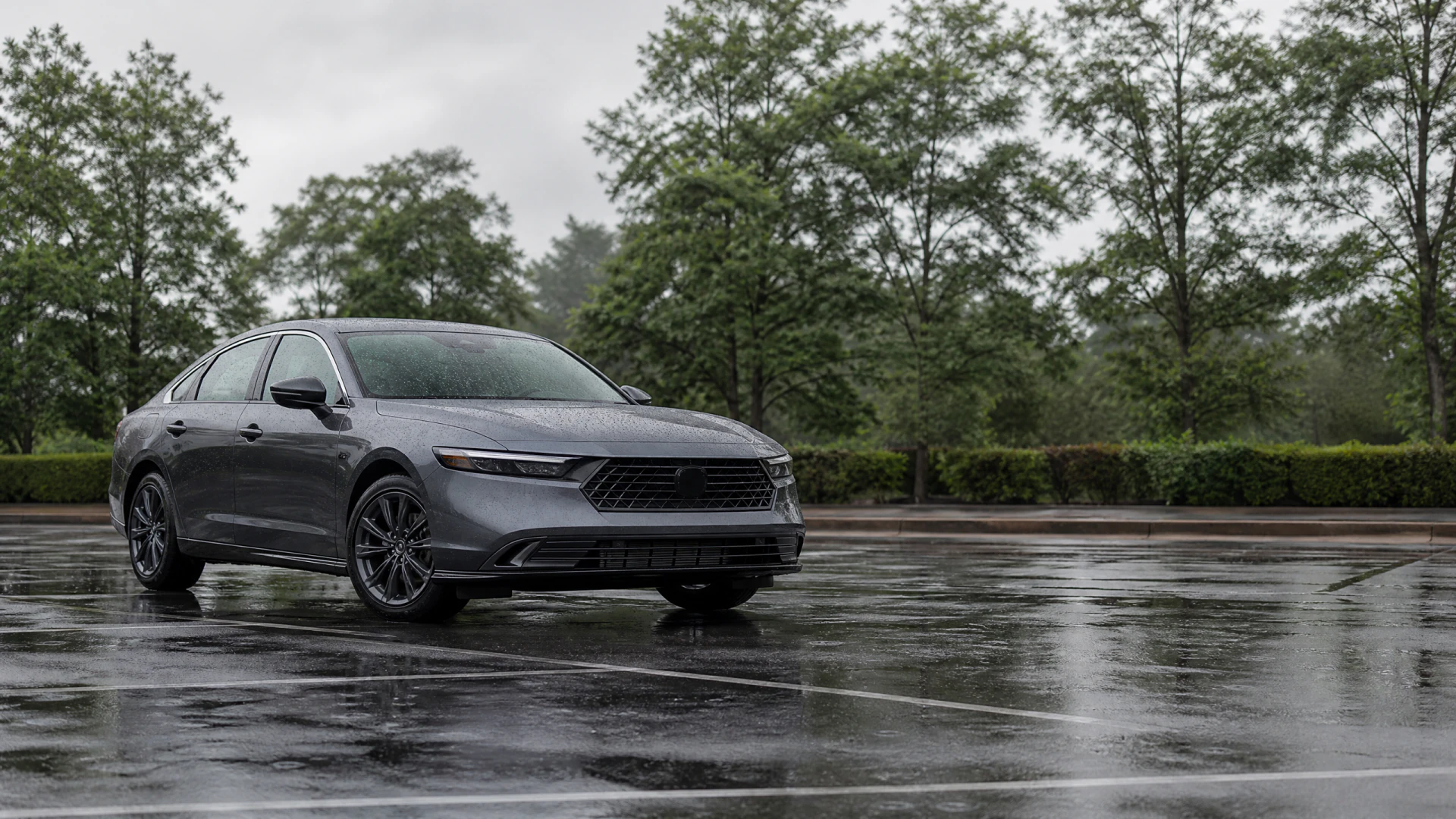
Most insurers ask where your car is parked overnight because it affects the risk of theft, vandalism, and weather damage. A garage is one answer to that question, but it isn't the only one. A locked carport, a private driveway, an assigned spot in a secured lot, or even a gated apartment complex lot can count as off-street parking.
What matters to the insurer is whether the car sits on a public street exposed to passing traffic and foot traffic, or whether it's on your own property or in a space that isn't open to anyone walking by. If you can describe where the car sits each night and it isn't the curb, tell your insurer exactly that when you set up or review your policy.
How your insurer asks the question matters
Some insurers ask directly whether you have a garage, carport, or driveway and treat each one differently. Others only ask whether the car is parked on the street or off it, and treat anything off the street the same way. You won't know which approach your insurer takes until you ask.
If your policy already lists your parking as street parking because that's what was true when you first signed up, and that's changed, call and update it. An old answer on file can affect your premium even after your actual parking situation has improved.
If you split time between locations, such as parking in a garage at home but on the street at work, say so. Some insurers want the address where the car spends most nights, not a general description.
Ask specifically what they count as off-street parking in your state, since the categories and how they're weighed can differ by insurer and by location.

What people get wrong about this
A common mistake is assuming that because a space isn't a garage, it doesn't count for anything. A locked, private driveway or a numbered spot in a secured lot can be treated close to the same as a garage, since the real concern is public street exposure, not whether there's a roof over the car.
Another mistake is not mentioning any change at all, figuring it's not worth the trouble. If your parking situation has improved, whether you moved, added a carport, or started renting a spot in a lot, that's worth a phone call, since it could lower what you pay.
Finally, don't guess on the insurer's behalf. Describe the actual space, whether it's gated, locked, assigned to you alone, or shared and open. Let them tell you how it's classified rather than assuming it won't qualify as anything better than street parking.
Questions people ask about this
Does a carport count the same as a garage for insurance?
It depends on the insurer, but many treat a carport as a step above street parking, since it's still off the public road even without full enclosure. Ask your insurer directly how they classify a carport, since the discount or rate difference can vary.
Will my rate go up if I move from a garage to street parking?
It can, since insurers factor in exposure to theft and damage when a car sits on a public street overnight. If you're moving, let your insurer know your new parking situation before your next renewal so your rate reflects it accurately.
Does a gated apartment complex lot count as off-street parking?
Often yes, since the gate limits public access even though the lot is shared with other residents. Confirm with your insurer whether they need details like whether the lot is assigned, monitored, or just gated.
Do I need to prove where I park my car?
Most insurers take your word for it when you set up or update a policy, but some may ask for an address or documentation if there's a dispute or a claim. Keep any lease, HOA agreement, or parking permit that shows your parking arrangement in case it's ever needed.
Can I get a discount for parking in a driveway instead of a garage?
Some insurers offer a smaller discount for driveway parking compared to a garage, while others treat any off-street parking the same. Ask your insurer directly what they offer, since this varies by company and sometimes by state.
See how your parking situation compares across insurers before you commit to one.
Before your next renewal, write down exactly where your car sits overnight, whether that's a driveway, a carport, a gated lot, or an assigned space, and call your insurer to ask how that's classified. Have your address and a brief description ready, including whether the space is locked, gated, or shared. Ask specifically whether your current policy already reflects this or still lists you as parking on the street. If your situation has changed since you first got the policy, this is the time to update it. Keep any documentation, like a lease or HOA letter, that confirms your parking arrangement in case it comes up later.