How to Store a Classic Car Without a Garage
A classic car can be stored safely outside a garage if you cover it, position it, and park it the way your insurer expects.
Yes, but how you store it changes your coverage
You can store a classic car without a garage. A car cover built for outdoor use, a dry and level parking spot, and some distance from trees and sprinklers will protect most classic cars for long stretches of time.
What changes is what your insurer will cover if something happens to it. Many classic car policies are written around the idea that the car is garaged. If yours sits outside, your insurer needs to know that, and the policy may need to reflect it.
Your policy's storage requirement
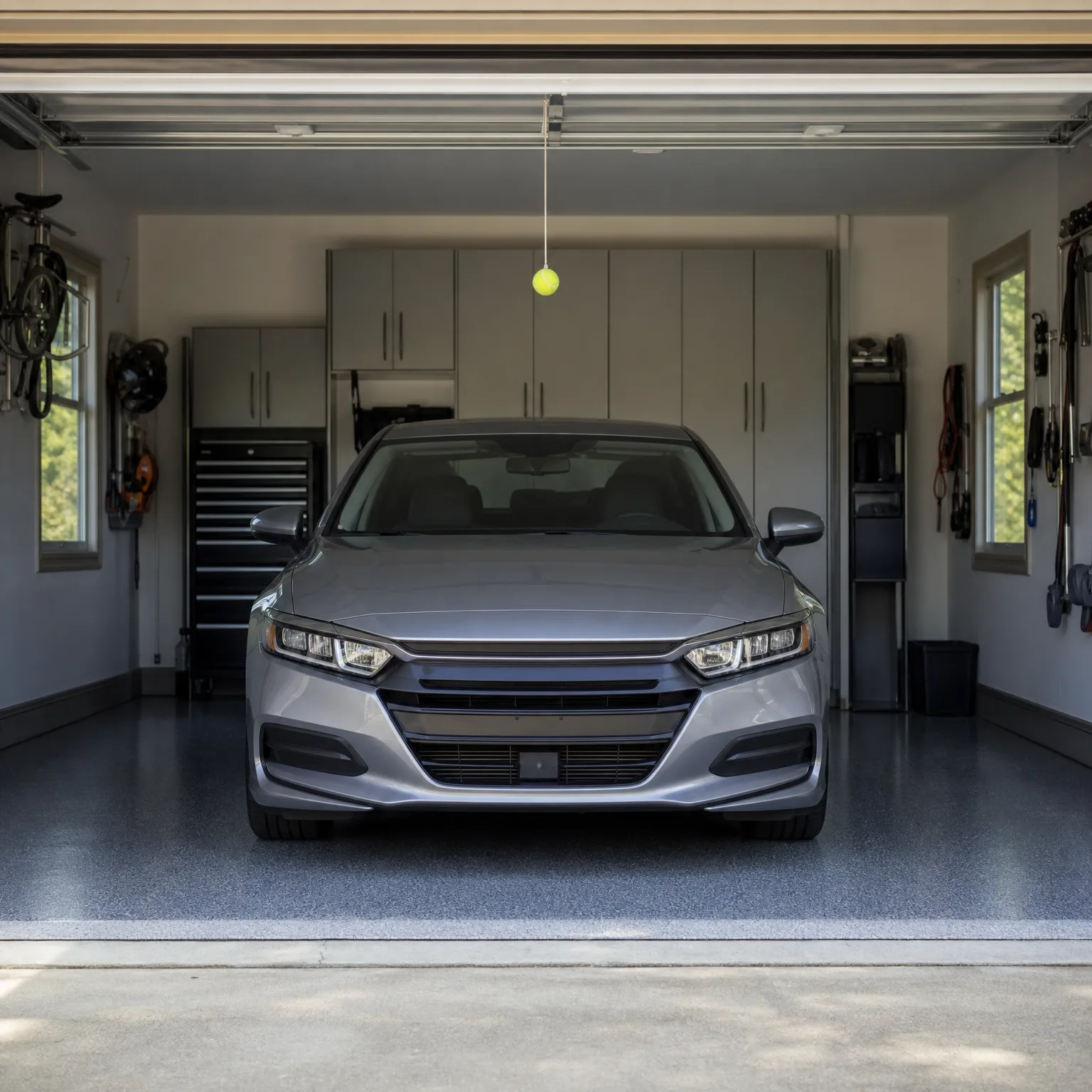
Classic car insurance is often priced lower than standard coverage because the insurer assumes the car isn't exposed to daily weather, theft, or traffic. Part of that assumption is usually about where the car sits when it's not being driven.
If your policy says the car must be kept in an enclosed structure and it isn't, a claim for weather damage, theft, or vandalism could be denied. This isn't the same for every insurer or every policy, so the only way to know is to read your policy's storage clause or ask your agent directly.
Some insurers offer classic car coverage that doesn't require a garage at all, as long as the car is covered and parked somewhere reasonably secure. If your current policy requires a garage and you don't have one, ask whether they offer this alternative, or whether you need to look elsewhere.
Don't assume the requirement away. Call and ask what counts as acceptable storage under your specific policy before you need to file a claim, not after.
What your storage setup actually protects against
A good outdoor car cover, fitted for the make and model, blocks UV damage, bird droppings, pollen, and most rain. It won't stop hail, falling branches, or flooding, so the spot you choose matters as much as the cover itself.
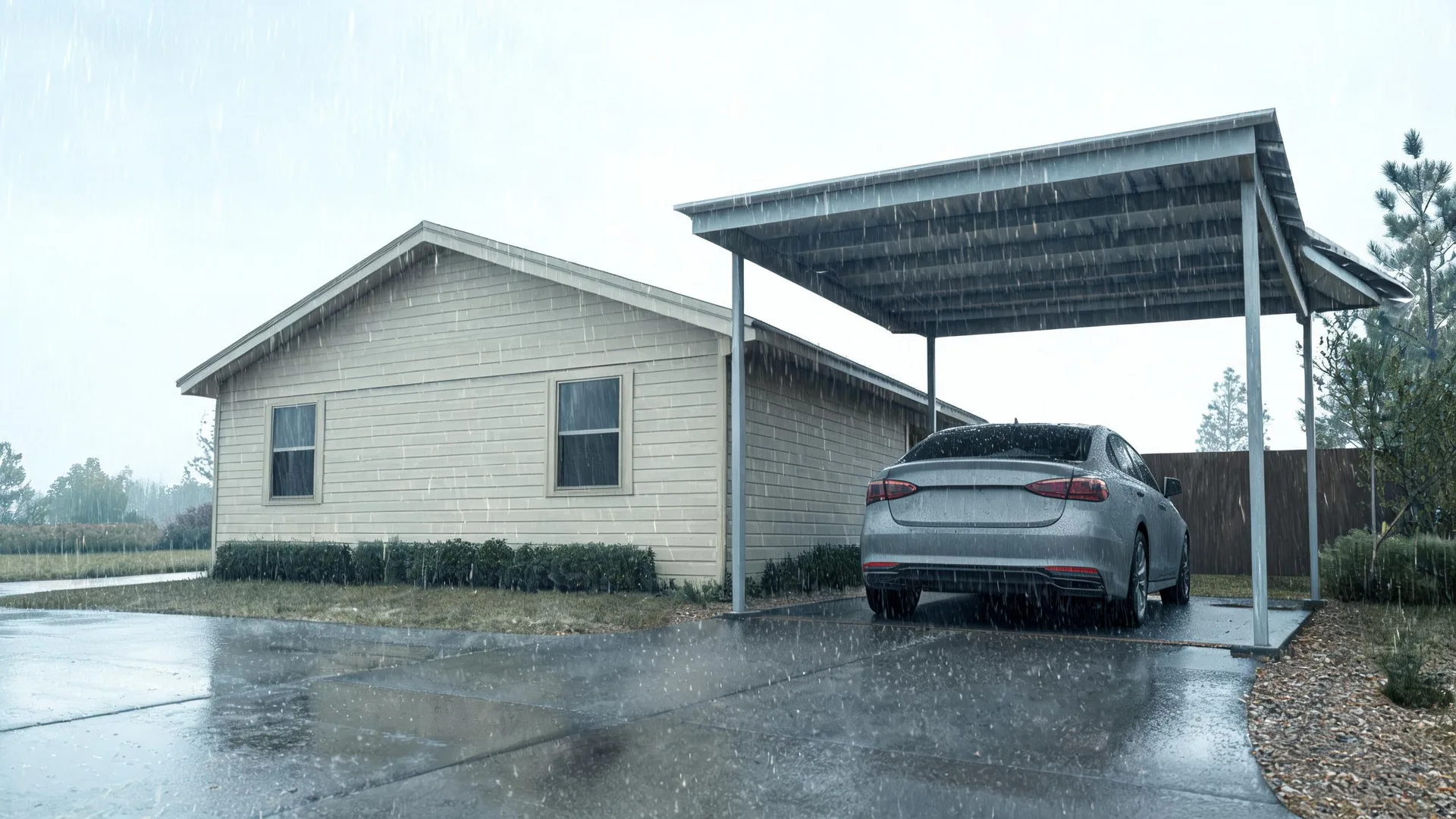
A carport, a covered patio, or even a sturdy canopy built for vehicle storage gives real protection without being a garage. These are often enough to satisfy insurers who ask for secured or covered storage rather than a fully enclosed one.
Security matters too. A classic car parked outside is more visible and more reachable than one locked in a garage. A steering wheel lock, a hidden kill switch, or parking it somewhere with a locked gate or driveway can matter both for actual theft prevention and for what your insurer considers reasonable precaution.
If you're deciding where to park it long term, ask your insurer what specifically they'd want to see if you ever filed a claim. Their answer will tell you more than any general advice can.
Questions people ask about this
Will my classic car insurance cost more if I don't have a garage?
It depends on the insurer and the policy, not on a fixed rule. Some classic car policies price in the assumption of garage storage and will adjust the premium or the terms if the car is kept elsewhere. Ask your agent how your specific policy handles outdoor storage before you assume the rate won't change.
Can I store a classic car outside year round?
Many classic car owners do, but it depends on your climate and what protection you use. A quality outdoor cover and a dry, shaded spot can handle most conditions, though extreme heat, heavy snow, or coastal humidity add wear that a garage would prevent. Check your cover's rating for your specific climate before relying on it full time.
Does a car cover count as storage for insurance purposes?
Some insurers accept a cover as adequate protection and some don't, so this is worth confirming directly. If your policy specifies an enclosed structure, a cover alone likely won't satisfy that requirement even if it protects the car physically. Ask your insurer in writing what they consider acceptable.
What's the difference between a carport and a garage for insurance?
A garage is typically defined as a fully enclosed structure, while a carport has open sides, so insurers often treat them differently. Some policies accept a carport as secured storage and others require full enclosure. Read your policy's definitions section or ask your agent which term applies to your setup.
Should I tell my insurer if I move my classic car to outdoor storage?
Yes, because your policy was likely written around where and how the car is stored. Not updating this information can affect a claim later, even if the change seems minor to you. A quick call to your agent to update your storage details protects you if you ever need to file a claim.
See how classic car insurers handle outdoor storage before you choose where to park it.
Pull out your current classic car policy and find the section on storage requirements, or call your agent and ask them to read it to you. Ask specifically what counts as acceptable storage if you don't have a garage, and whether a carport, canopy, or secured driveway spot would qualify. If your insurer requires full enclosure and you can't provide it, ask about alternative classic car policies that don't. While you're at it, ask what kind of cover or security measures they'd expect to see if you filed a claim, since that answer will guide what you buy and where you park.