Does My Classic Car Need to Be Garaged
Most classic car policies require covered storage, but the rule comes from your insurer, not from any law.
It depends on your policy, not a state law
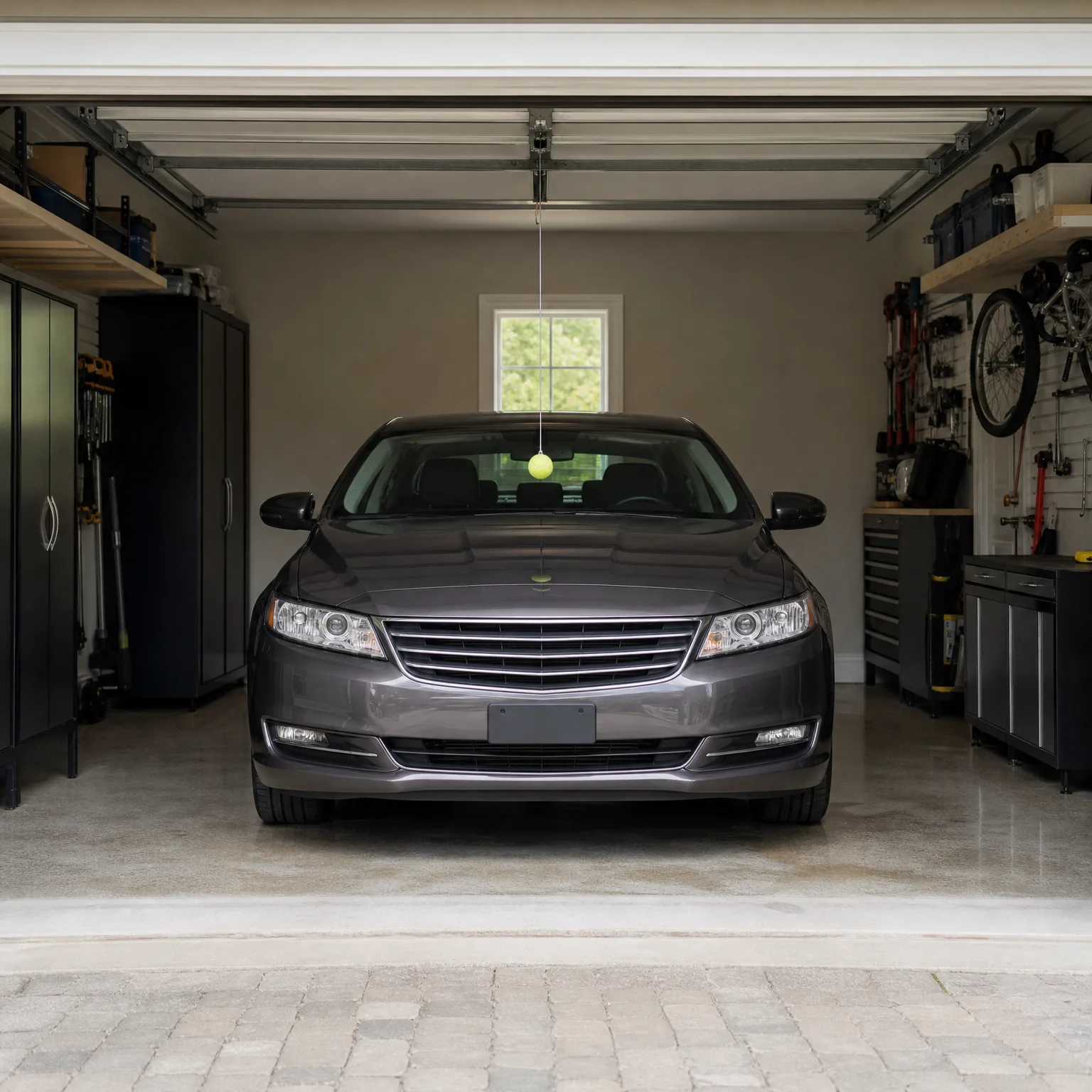
No law requires you to garage a classic car. The requirement, if there is one, comes from your insurance policy. Many classic car policies are written with the assumption that the car sits in a garage when it's not being driven, and some make that a condition of coverage.
This matters because classic car insurance usually costs less than a standard policy, and the garaging requirement is part of how insurers justify that lower cost. They're betting the car faces less exposure to theft, weather and road accidents. If you can't meet that condition, you may need a different kind of policy entirely.
What your policy actually says
Read the declarations page and the conditions section of your policy, not just the summary you were given when you signed up. Some policies require a fully enclosed, locked structure. Others simply ask that the car not be left on the street overnight. The difference matters a great deal if you ever file a claim.
If your policy requires garaging and your car is damaged while parked outside, your insurer may question the claim or deny it outright. This is the kind of thing that only comes up after something has already gone wrong, so it's worth settling in advance rather than assuming.
If you don't have a garage, or you're not sure your current setup counts as one, call your insurer and ask directly. Describe exactly where the car is kept: a carport, a shared garage, a covered space at an apartment complex. Ask them to tell you plainly whether that meets the requirement.
Some insurers will accept a car cover, a locked storage unit, or a private lot instead of a traditional garage. Others won't. This varies by insurer, so don't assume one company's rule applies to another.
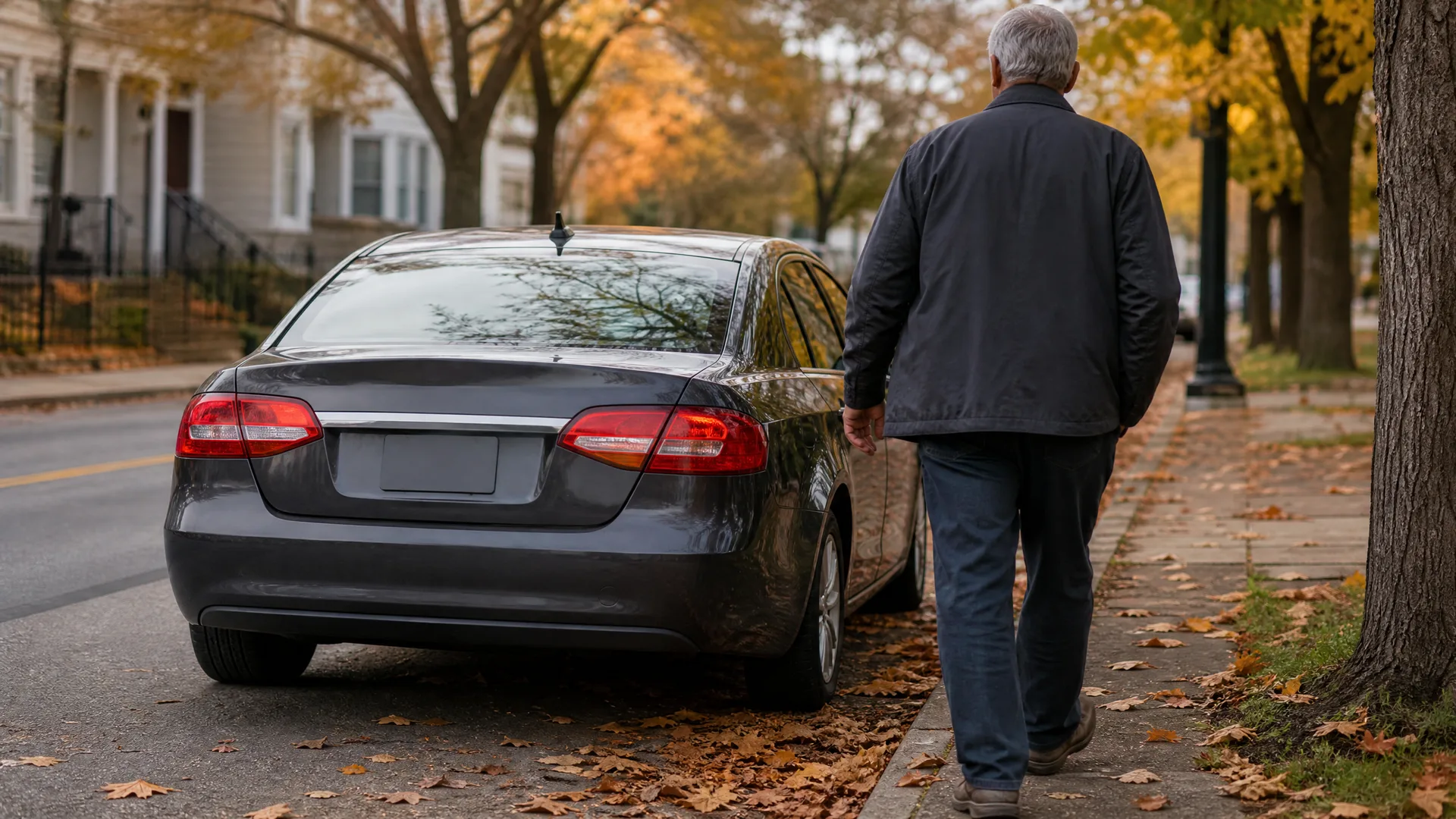
How the car is used changes what's required
Classic car policies are usually built around limited use. That means the insurer expects the car to be driven occasionally, for pleasure, to shows or club events, rather than used for daily errands and commuting. The garaging requirement is often tied to this same assumption.
If you drive the car more than your policy expects, or use it for regular transportation, you may be outside the terms of a classic car policy altogether, garaging aside. Check your policy's mileage limits and stated use, since these conditions often travel together.
What trips people up most is assuming that because the car qualifies as a classic, any reasonable storage will do. The classification of the car and the storage condition are two separate things, and meeting one doesn't mean you've met the other.
Questions people ask about this
Can I use a car cover instead of a garage for my classic car?
Some insurers accept this, others don't. It depends entirely on how your specific policy defines acceptable storage, so ask your insurer whether a cover alone satisfies the requirement or whether they mean an enclosed structure.
What happens if I don't have a garage but want classic car insurance?
You may still qualify, but your options could be more limited. Some insurers offer classic car policies without a garaging requirement, often with other conditions attached, so it's worth asking several insurers how they handle this rather than assuming one answer applies everywhere.
Does classic car insurance cost less than regular car insurance?
It often does, because of the limited use and storage conditions involved, but this isn't guaranteed and depends on the car, your driving record, and the insurer. Ask for a quote on both a classic policy and a standard one to compare.
Will my classic car insurance cover theft if it's not garaged?
This depends on whether garaging was a condition of your policy. If it was and the car wasn't stored that way, the insurer may dispute a theft claim, so it's worth confirming this before it becomes an issue rather than after.
Can I switch my classic car to a standard policy if I can't garage it?
Yes, this is usually possible, though you'll likely lose any pricing or coverage benefits tied to the classic car policy. Ask your insurer what a standard policy would cost for the same car so you can compare.
See what classic car coverage looks like with your actual storage situation.

Find your current policy and read the section on storage or garaging requirements before you do anything else. If it's unclear, call your insurer this week and describe exactly where and how the car is kept. Ask them directly whether your situation meets their requirement, and get the answer in writing if you can. If it doesn't, ask what your options are, including whether a different policy would fit better. Doing this now, before a claim, is the only way to know where you actually stand.