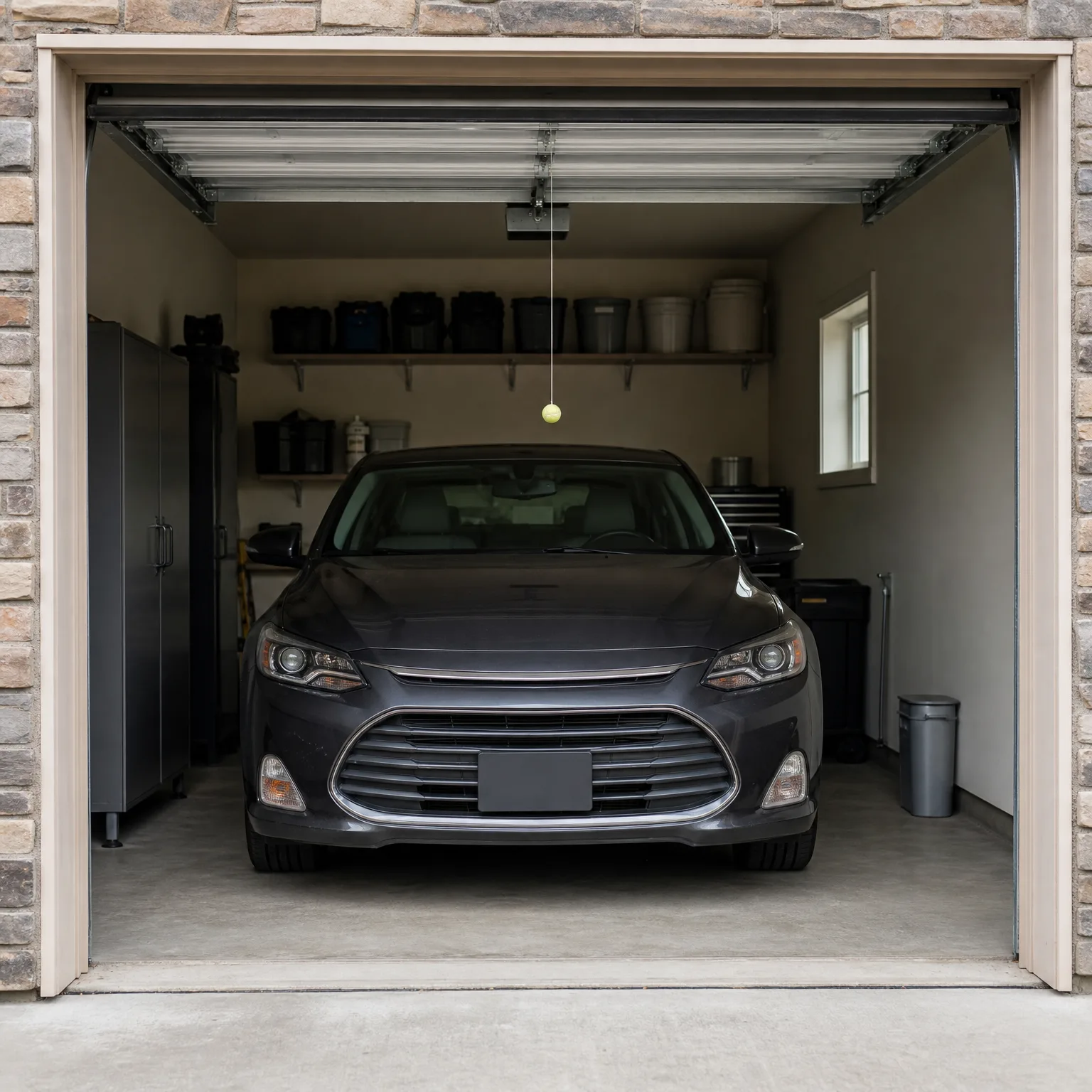
Should I Sell or Keep My Classic Car for My Family
The decision usually comes down to whether a family member will actually drive and insure the car, not what it's worth.
It depends on whether the car has a future driver in the family
If someone in your family wants to keep driving the car, register it, and insure it, keeping it usually makes sense. Classic car policies are often less expensive than you'd expect, because the mileage is low and the owner tends to take care of the car. If no one in the family plans to drive it regularly, selling it while it's in good condition is often the more practical choice.
This isn't really an insurance question first. It's a question about who will use the car and maintain it. Insurance follows that decision. Once you know who the driver will be, their age, their driving record, and where they live will shape what the policy costs and what kind of coverage they can get.
Who will actually drive it
A classic car sitting in a garage with no regular driver is a different situation than one that gets taken out every weekend by a family member who loves it. Insurers that offer classic or collector car policies usually ask about expected mileage and how the car is stored, and some require the car not be used as daily transportation.
If the car will pass to an adult child or grandchild, ask whether that person wants it before you decide anything. A car kept out of sentiment, with no one committed to maintaining and insuring it, tends to depreciate through neglect rather than hold its value.
If an older family member is the one who currently drives it, their ability to keep driving matters too. A vision test that doesn't go well, a license that isn't renewed, or a move to a place where the car can't be stored properly all change the calculation. Ask what the plan is if the current driver can no longer drive it themselves.
If you do decide to keep it in the family, check with your insurer about adding a named driver or transferring the policy, since the process and the underwriting differ by company.
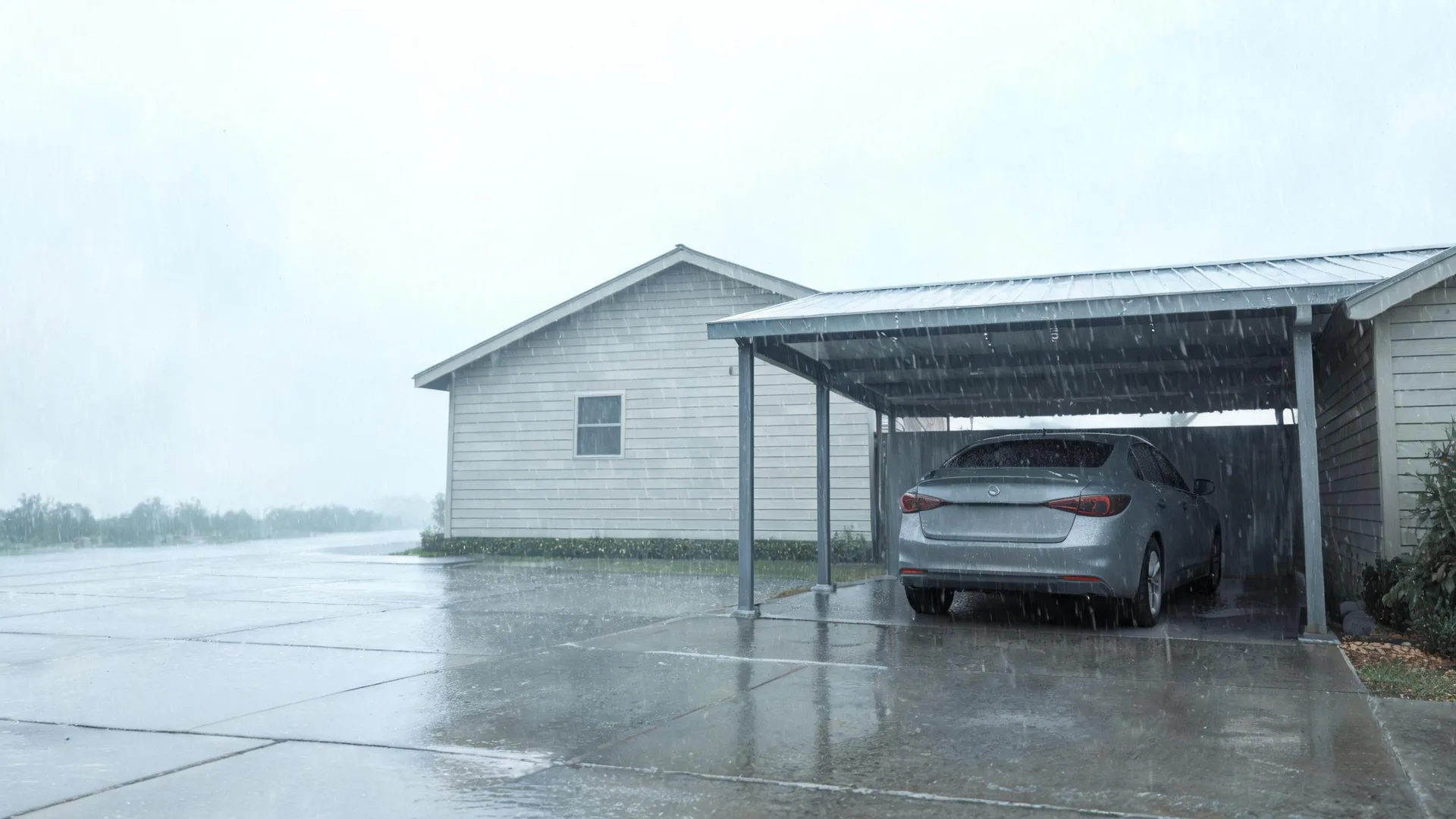
How it's titled and insured matters as much as its value
A classic car that's going to stay in the family needs a clear plan for the title, not just the keys. If the car is still titled to a parent or grandparent, find out what happens to that title and the policy if that person can no longer drive or passes away. An estate or a gap in registration can leave the car uninsured for a period, and driving it during that gap is a real risk.
Classic car insurance is usually written differently than a standard auto policy. Many policies set an agreed value with the insurer ahead of time, rather than paying out current market value after a claim. If you're planning to keep the car, get that agreed value conversation started now rather than after something happens to it.
Selling removes these questions, but it isn't free either. A sale to a family member can still have tax or title implications depending on your state, so check with your state's motor vehicle agency or a tax professional before assuming a simple handoff.
Questions people ask about this
Can I keep a classic car on my insurance if I stop driving regularly?
Often yes, if your insurer offers a policy for limited use rather than daily driving. Ask specifically about mileage limits and storage requirements, since these vary by company. If you're not driving at all, ask whether a storage-only policy is available instead of letting coverage lapse.
Should a classic car be added to a young driver's insurance policy?
This depends on the insurer and the car. Some classic car policies exclude younger or newer drivers, or price them very differently than a standard policy would. Ask the insurer directly whether the car qualifies for classic car coverage with the driver you have in mind, before assuming it will work the same way as a regular policy.
What happens to a classic car's insurance policy after the owner dies?
The policy doesn't automatically transfer to an heir. Someone handling the estate typically needs to contact the insurer to update or cancel the policy, and the car may need its own new policy before anyone else drives it legally. Check with the insurer and your state's title office about what paperwork is required before the car is driven again.
Is it worth getting the car appraised before deciding to sell or keep it?
An appraisal gives you a number to make the decision with, which is useful either way. If you keep the car, an appraisal supports setting an agreed value with your insurer. If you sell, it helps you price the car honestly and know what you're giving up.
Does keeping a classic car in the family affect everyone else's insurance rates?
Not directly, since each vehicle and driver combination is usually underwritten on its own. But if the classic car is added to a household policy with other cars, ask your insurer how it's bundled and whether it affects your multi-car discount or overall household rate.
If you're leaning toward keeping it, see what a classic car policy would actually cost before you decide.

Start by asking the family member most likely to drive the car whether they actually want it, before you spend time on insurance quotes. If the answer is yes, call your current insurer or a classic car insurance specialist and ask what an agreed value policy would cost for that driver, with the car's mileage and storage situation in hand. If the current owner can no longer drive, find out now what their state requires to transfer title, so the car isn't sitting uninsured during a gap. If you're leaning toward selling, get an appraisal first so you know what you're deciding against. Either way, don't let the policy lapse while the family sorts out who wants the car.