Should I Keep Insuring a Classic Car I Rarely Drive
It usually comes down to how the car is stored and insured, not how often you drive it.
Keep it insured, but ask whether the policy still fits how you use the car
A classic car that sits most of the year still needs coverage. An uninsured car parked in a garage can still be damaged by fire, theft, or a falling tree, and a standard policy or a lapse in coverage can cost you more to fix later than staying insured would.
The real question isn't whether to insure it. It's whether a regular auto policy is still the right one. Classic and collector car policies are built for low mileage and occasional use, and they often value the car differently than a standard policy would. Whether you qualify, and what counts as occasional use, is set by the insurer, so that's worth checking before you decide anything.
How the car is stored and used changes what coverage makes sense
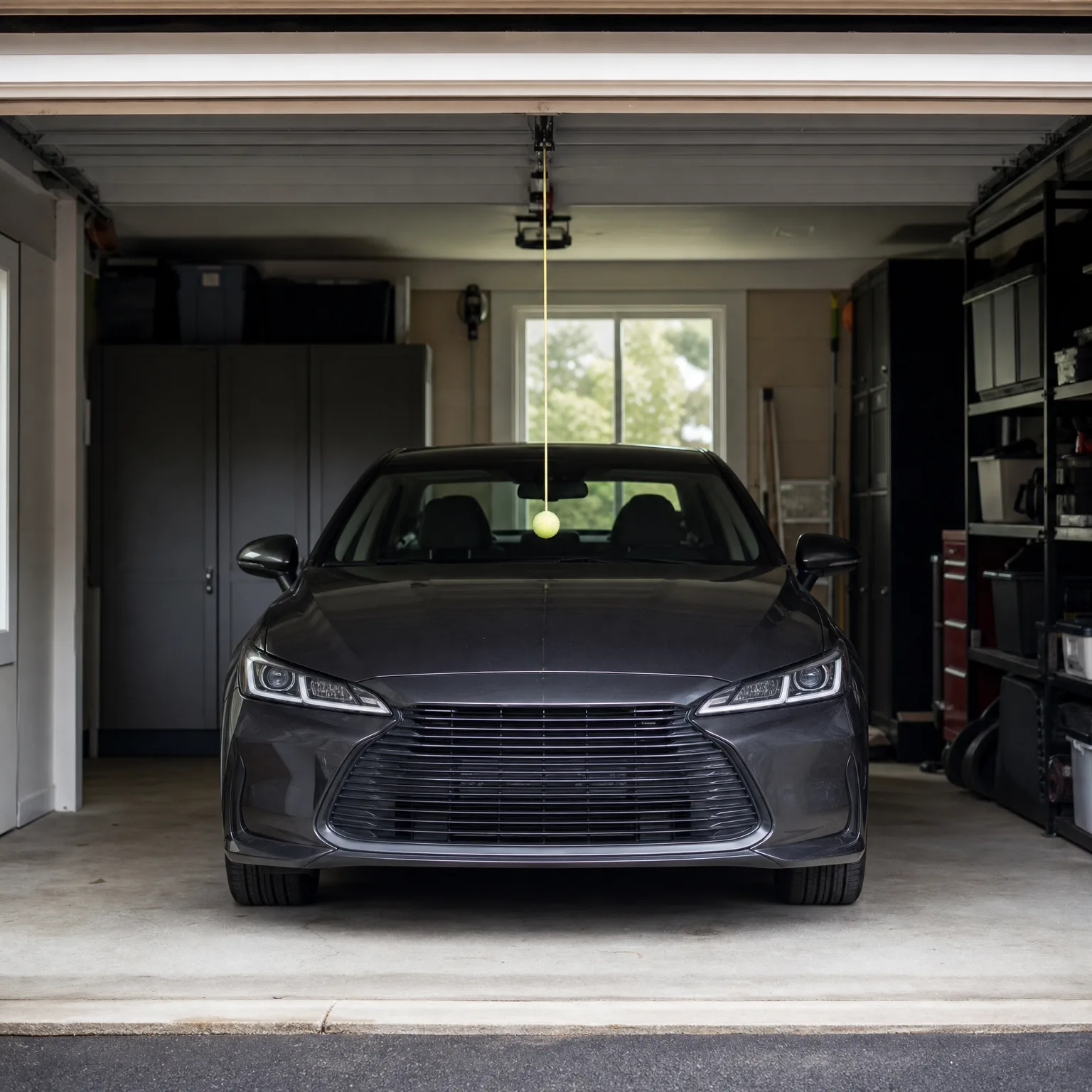
Insurers that offer classic car policies usually ask where the car is kept. A locked garage is treated differently than a driveway or a shared lot, and some insurers won't offer collector coverage at all without secure storage.
They also ask how the car is used. A car driven to shows, club events, or short seasonal drives fits the idea of a collector vehicle. A car used for regular errands or commuting, even occasionally, may not qualify the same way.
If your situation has changed since you first insured the car, like a move, a new garage, or driving it less than you used to, that's worth mentioning to your insurer. It can open up options you didn't have before, or it can mean the coverage you have no longer matches how the car sits most of the year.
If you're not sure whether your use counts as occasional, ask your insurer directly what they count as regular use versus occasional use for that policy.

What the car is worth now matters more than what you paid for it
A standard auto policy usually pays out based on the car's current market value if it's totaled or stolen. For a classic car, that number can be far lower than what the car is actually worth to a collector, or far lower than what it would cost to replace.
A collector car policy can let you set an agreed value with the insurer ahead of time, so there's no argument later about what the car was worth. That's one of the main reasons people move a classic car off a standard policy.
If the car has appreciated, or if parts and restoration work have gone into it, it's worth getting a current appraisal before you talk to an insurer. That number is what the coverage conversation should be based on, not the original purchase price.
If you drop coverage entirely to save money, remember that a lapse can also affect your insurance history and may make it harder to get the same terms if you decide to insure the car again later.
Questions people ask about this
Can I switch a classic car to a cheaper policy if I barely drive it?
You may be able to, depending on how the insurer defines occasional use and whether the car qualifies for a collector or classic policy. Ask your insurer what mileage limits and usage rules apply, since these vary by company.
Does a classic car need full coverage or just liability?
That depends on what you'd want to happen if the car were damaged or stolen. Liability alone won't pay to repair or replace the car itself, so most owners who've put money into a classic car carry more than the state minimum.
What happens to classic car insurance if I stop driving altogether?
The car can usually still be insured for storage or display even if it isn't driven, but the terms depend on the insurer. Ask specifically about a stored-vehicle or non-operational policy if that fits your situation.
Will my classic car policy still work if I drive it more than expected?
Exceeding the mileage or usage limits set by a collector policy can affect a claim, so check what counts as an exception, like driving it to a repair shop or a car show that runs long.
Does insuring a classic car differently affect my regular auto policy or rates?
Moving a classic car to its own policy doesn't typically change the rates on your other vehicles, but ask your insurer directly, since bundled policies can work differently depending on the company.
See what a policy built for how this car actually gets used would cost you.
Pull together what you have on the car this week: a recent appraisal or a solid estimate of its current value, where it's stored, and roughly how many miles you put on it in a year. Call your current insurer and ask directly whether the car still qualifies as a standard vehicle or whether a classic or collector policy would fit better. Ask specifically what they count as occasional use and what documentation they'd need for an agreed value. If they don't offer that kind of policy, that's a reasonable moment to compare quotes from insurers that do.