
Passing On a Classic Car
The title has to transfer through your state's DMV, and the car needs its own insurance policy before anyone else drives it.
You transfer the title, then arrange new insurance in the recipient's name
Passing on a classic car works like transferring any vehicle. You sign over the title, the new owner registers it in their name, and they get their own insurance policy before they drive it. Your policy doesn't follow the car once someone else owns it.
If the car has a collector or classic car policy, that policy was written around your driving history and how you use the car, not theirs. The new owner will likely need to apply for their own classic car coverage, and the insurer will ask the same questions they asked you: how the car is stored, how many miles a year it's driven, whether the owner has another everyday vehicle.
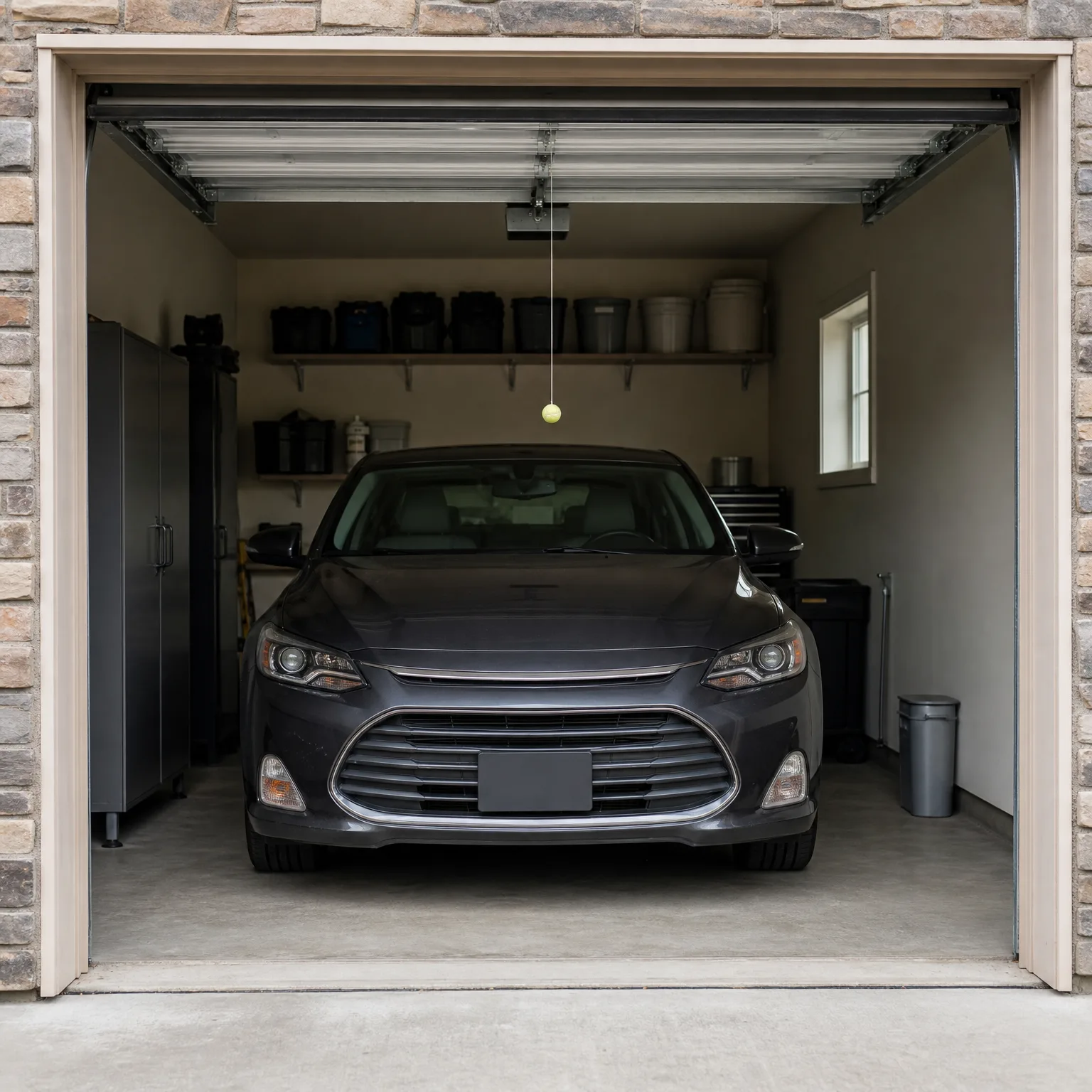
Whether the car still qualifies as a classic under the new owner's policy
Classic car insurers don't just look at the car. They look at how it will be used and who's driving it. A policy that worked for you might not work the same way for your son or daughter if they plan to drive the car more often, use it as a second car, or don't have a separate daily driver.
Many classic car policies require limited mileage and off-road or secure storage. If the person inheriting the car plans to drive it regularly, it may not qualify as a classic anymore, at least not for that kind of policy. In that case, a standard auto policy might be the only option, and the cost and coverage will look different.
Ask the new owner to call the insurer before the car changes hands, not after. Some classic car insurers will quote based on the new owner's circumstances in advance, so there's no gap where the car sits uninsured or insured incorrectly.
If the new owner already owns a classic car and has a policy with an insurer, it's worth checking whether that same insurer can simply add the newly acquired car, sometimes on better terms than starting fresh with someone else.
How the title transfer is handled in your state
Every state has its own process for transferring a title, and some have separate rules for classic, antique, or historic vehicles, including special titles or registration categories that can affect insurance eligibility.
If the car currently carries a historic or antique plate, check with your state's DMV about whether that status transfers automatically or whether the new owner has to reapply. An insurer may ask to see that documentation before issuing a classic car policy.
Gifting the car to a family member sometimes has a different process than a standard sale, including different paperwork or exemptions from certain fees. Your state's DMV website or office can tell you exactly what's required for a gift transfer versus a sale.
Until the title and registration are fully transferred and the new owner has their own insurance in place, it's worth confirming with your insurer whether the car is still covered under your policy and under what conditions.
Questions people ask about this
Can I add my adult child to my classic car policy instead of transferring it?
Some insurers allow an additional driver on a classic car policy, but that's different from transferring ownership. If the plan is for your child to eventually own the car outright, the title still needs to transfer into their name at some point, and the policy will need to reflect who actually owns and drives the car. Ask your insurer how they handle this specific situation.
Does a classic car need an appraisal before passing it to a family member?
Not necessarily, but if the classic car policy is agreed value, the new owner's insurer may want a current appraisal to set that value correctly. An old appraisal done years ago under your ownership may not reflect the car's current condition or market value. Check with the new insurer about what documentation they need.
What happens to a classic car's insurance if the owner dies?
The policy typically ends or needs to be reassessed once the estate settles and ownership transfers to an heir. The executor or family member handling the estate should contact the insurer to understand how long coverage continues and what's needed to keep the car insured during the transition. Leaving the car uninsured, even briefly, is a risk if it's stored somewhere it could be damaged or stolen.
Can I gift a classic car without paying sales tax?
Whether a gift transfer is exempt from sales tax depends entirely on the state, and some states only exempt transfers between specific family relationships. The DMV or state tax authority where the car will be registered can confirm the exact rule and what paperwork proves the transfer was a gift.
Should the classic car be insured during the transfer process?
Yes, the car should have continuous insurance coverage, since a lapse could leave it unprotected against damage, theft, or liability. Ask your current insurer how coverage is affected once the title transfer is in progress, and have the new owner line up their own policy so there's no gap between when your coverage ends and theirs begins.
See what a classic car policy would look like for the person taking over this car.
Start by contacting your state's DMV to confirm the exact title transfer process for a gift or family transfer, including any rules specific to historic or antique plates. Have the current title, the car's VIN, and any appraisal or valuation documents on hand. At the same time, have the new owner reach out to insurers about a classic car policy in their name, describing how they plan to store and drive the car. Line up that new policy so it starts before the title transfer completes, so the car is never without coverage. If the car currently has an agreed value policy, ask whether a fresh appraisal is needed under the new owner's name.