What Is Classic Car Insurance
It's a separate policy for an older car that isn't your daily driver, built around how little you drive it and how well you keep it.
Coverage built for a car you preserve, not one you commute in
Classic car insurance is a policy written for an older vehicle that's kept in good condition and driven only sometimes, for shows, club events, or short pleasure drives. Instead of pricing the car on its current market value like a regular policy would, the insurer agrees to an amount upfront, called an agreed value, so you know what you'd be paid if the car were totaled.
Insurers offer this because a well-kept older car driven rarely is a lower risk than a car used for daily errands and commuting. The tradeoff is that you usually agree to limits on how many miles you drive it each year, and sometimes to storing it in a garage. If your car doesn't fit those conditions, a standard auto policy is probably the right fit instead.
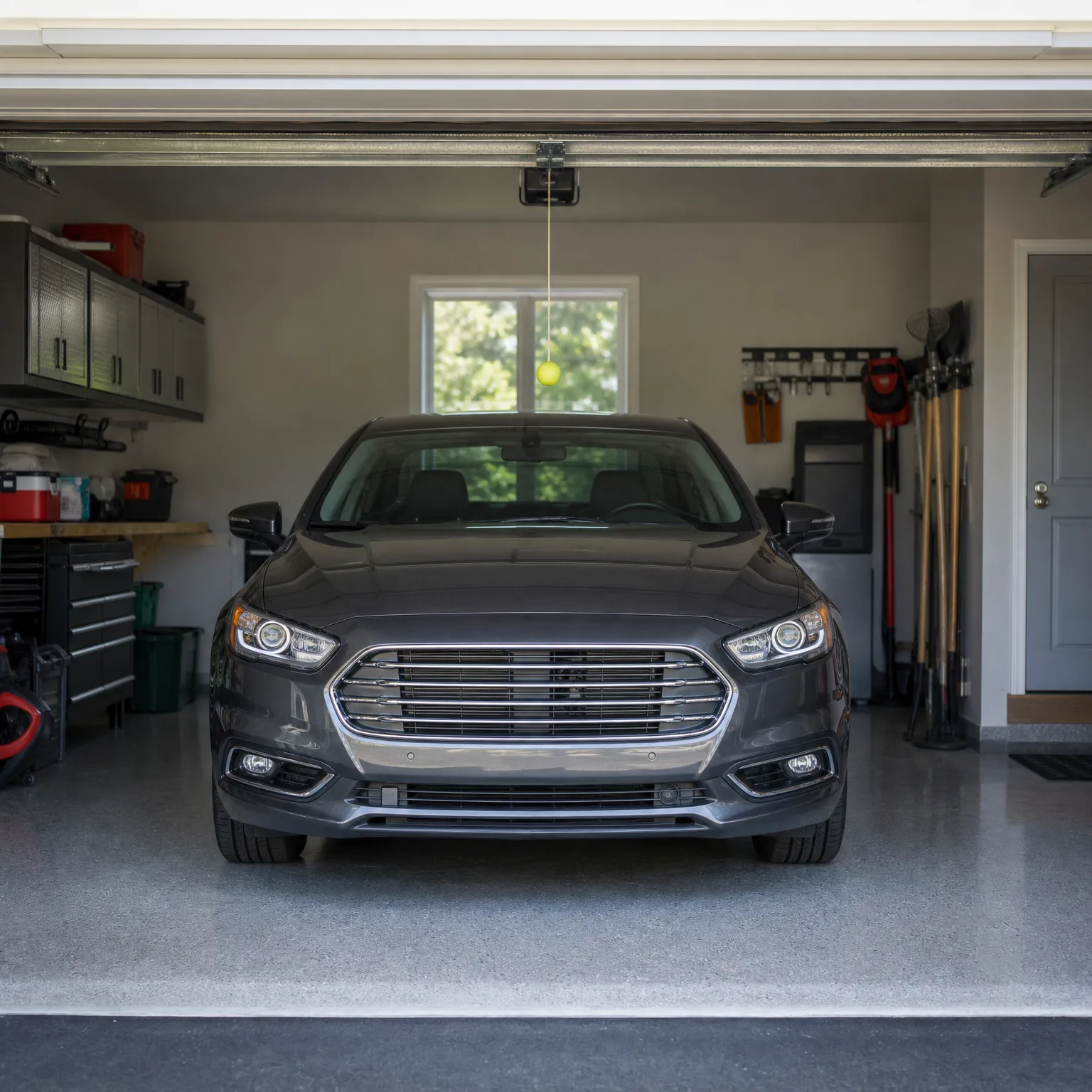
How you use the car decides whether you qualify
The biggest factor isn't your age or how long you've owned the car. It's whether the car is a second vehicle kept for pleasure, not the one you rely on to get to work or run errands.
Most insurers that write this coverage ask for a primary vehicle on your policy or in your household, something you drive day to day. The classic sits alongside it, driven occasionally and usually under a mileage limit you agree to when you buy the policy.
If you drive the car regularly or it's the only vehicle you have, tell the insurer that upfront. Some will still write a policy, but the terms and the agreed value may not hold if your actual use doesn't match what you told them.
Check how your car's age and condition are judged too. Insurers typically want the vehicle kept close to original or in good restored condition, and some set a minimum age for the car to qualify. That cutoff is set by each insurer, so ask directly what they require.
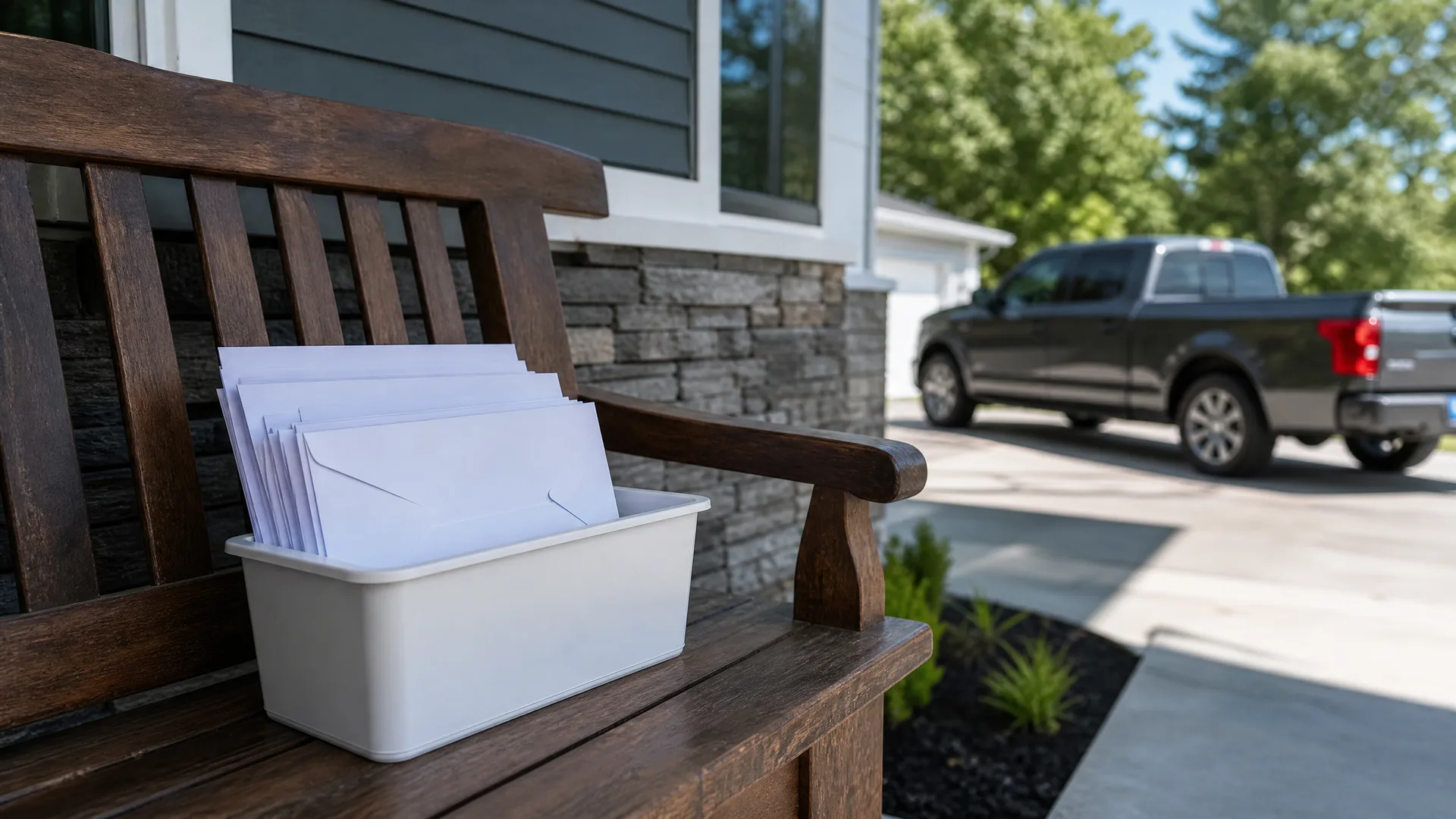
Where you keep it and who else drives it
Storage matters because it's part of how the insurer judges risk. A car kept in an enclosed garage is less exposed to weather and theft than one parked on the street, and that can affect both whether you qualify and what you pay.
Who drives the car matters too. Many classic car policies limit coverage to the owner and sometimes a named spouse or family member, rather than covering anyone who might borrow the car. If someone else in your household drives it regularly, ask the insurer whether they need to be listed.
Keep records of any restoration work, show attendance, or club membership. Insurers sometimes ask for this when you first apply, and it can matter again if you ever file a claim and need to show the car was kept the way you said it would be.
Questions people ask about this
How old does a car have to be for classic car insurance?
There's no single age that applies everywhere. Each insurer sets its own minimum age for a car to qualify as a classic, so ask the insurer you're considering what their cutoff is before you assume your car fits.
Can I drive my classic car every day?
Usually not under a classic car policy. These policies are built around occasional use, and most set a mileage limit you agree to when you buy the coverage. If you need the car for daily driving, a standard auto policy is the better fit.
Does classic car insurance cover theft and damage the same as regular insurance?
It can, but the terms are often different. Many classic policies use an agreed value for damage or theft rather than current market value, and some have specific requirements about storage that affect a claim. Ask the insurer how their comprehensive and collision coverage works under the agreed value model.
Do I need a separate policy for my classic car or can it go on my regular policy?
Most classic cars need a separate policy written specifically for that use, since a standard auto policy usually values the car at current market price rather than an agreed amount. Ask your current insurer whether they offer a classic car endorsement or if you'd need a different policy entirely.
Will my classic car insurance go up as the car gets older or more valuable?
That depends on the insurer and how your agreed value is set. Some policies let you revisit and raise the agreed value as the car appreciates, especially after restoration work. Ask how often you can update the agreed value and what documentation they want to see.
See what insurers offer for a car you keep rather than drive every day.
Pull together what you have on the car, its age, current condition, any restoration records, and how many miles you expect to put on it this year. Call your current insurer first and ask whether they write classic car policies and what their age and condition requirements are. If they don't offer it, ask for their definition of a qualifying classic so you know what to compare elsewhere. Have your storage situation ready to describe too, since where the car sits when it's not in use often comes up early in the conversation. Ask directly about the agreed value, how it's set, and how you can update it later if the car's value changes.