Is My Classic Car Covered in a Garage Fire
A garage fire is usually covered, but only if the policy on the car is written for the way you actually use and store it.
Yes, if the policy matches how the car is stored and used
A fire that damages your classic car while it sits in your garage is a comprehensive claim, and most policies, standard or classic car, cover fire under comprehensive. So in most cases the answer is yes.
Where it gets complicated is whether you have the right kind of policy at all. A classic car insured under a standard auto policy is covered for fire the same as any other car. A classic car insured under a specialty classic car policy is also covered for fire, but those policies often come with conditions about where and how the car is stored, and if your situation doesn't match what you told the insurer, that can be a problem separate from the fire itself.

What kind of policy you have on the car
A standard auto policy treats your classic car like any other vehicle. If it has comprehensive coverage, fire damage is covered, and the payout is based on the car's actual cash value the way any ordinary car's would be. For a classic car that's often worth far more than a standard valuation would give you.
A classic car or collector policy is built differently. These usually insure the car for an agreed value, a number you and the insurer settled on when you bought the policy. If a fire destroys the car, you're paid that agreed amount, not a depreciated market value. This matters a great deal after a total loss, since classic cars often don't track normal depreciation.
The tradeoff is that classic car policies typically come with usage and storage conditions attached to that agreed value. They often require the car to be kept in an enclosed garage, limit how many miles you drive it per year, and may ask that it not be your daily driver. If your garage is attached to your home or detached, if it's locked, if the car shares space with other vehicles, these details can matter for how the insurer views the storage condition.
Check your declarations page to see which type of policy you actually have, and reread any storage requirement listed in it.
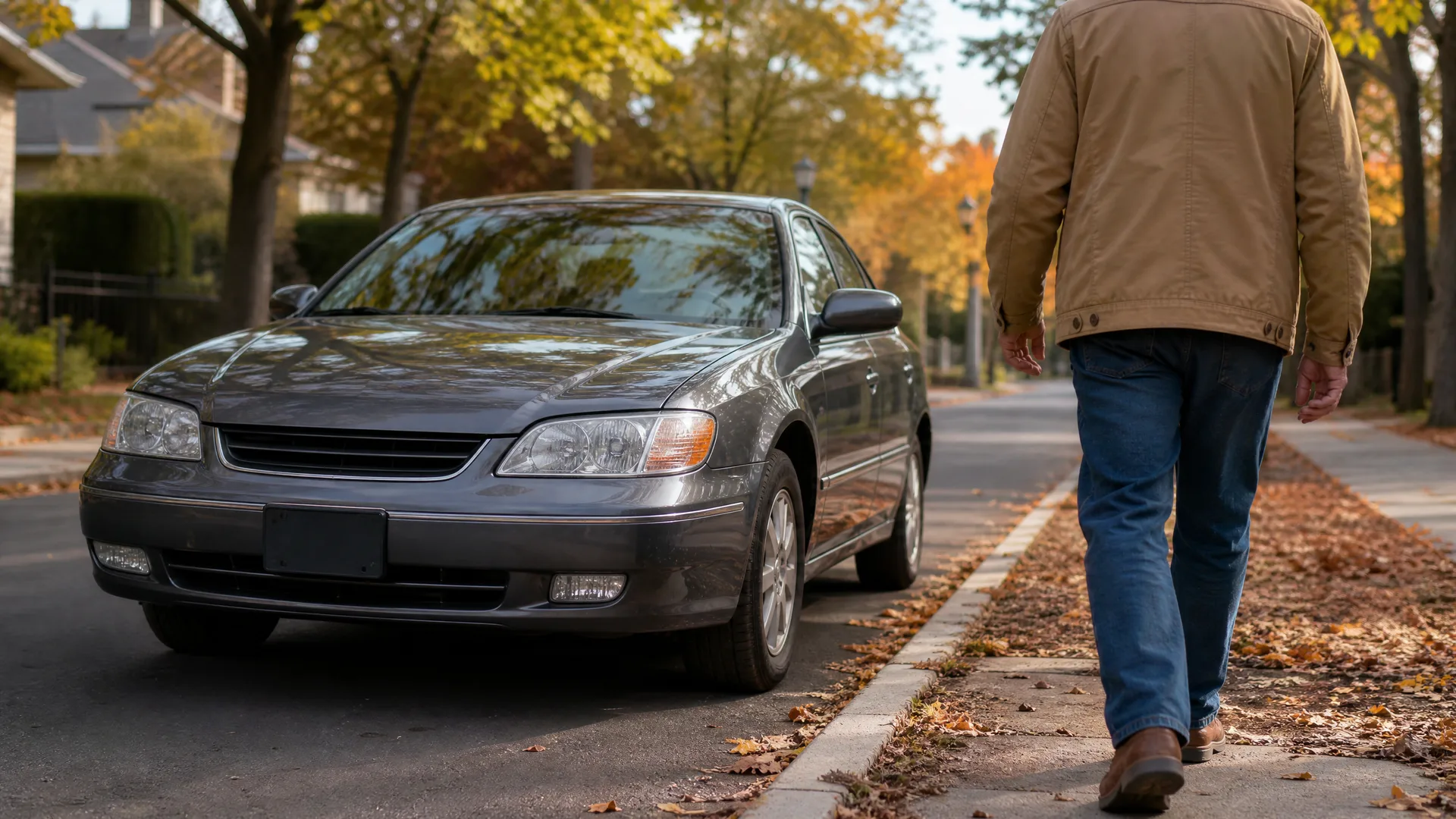
Whether the cause and the storage conditions match what you told the insurer
Insurers ask about storage when you first get a classic car policy because the answer affects the risk they're taking on. If you said the car would be stored in an enclosed, locked garage and that's where it was when the fire happened, you're in the situation the policy was written for.
Problems come up when the actual situation differs from what was declared. If the policy specifies a detached garage and the fire happened in an attached one, or if the car was supposed to be garaged but was parked in a carport or driveway at the time, the insurer may look closely at whether the storage condition was met. This doesn't automatically mean a denial, but it's the kind of detail that gets scrutinized.
The cause of the fire also gets investigated separately from your coverage. A fire caused by an electrical fault in the garage itself, by a stored flammable item, or by another vehicle is still a covered peril under comprehensive, but the investigation into how it started is standard practice for any claim involving a total loss.
If your situation changed since you got the policy, a different garage, a car that moved from storage to regular use, call your insurer and update it. A policy written around conditions that no longer apply is worth confirming before anything happens, not after.
Questions people ask about this
Does classic car insurance cover a fire caused by another car in the garage?
Yes, fire damage is fire damage regardless of what started it, as long as comprehensive coverage applies to your policy. The insurer may investigate the cause as part of handling the claim, but the source of the fire doesn't change whether comprehensive responds.
Will my classic car payout be based on agreed value or actual cash value after a garage fire?
It depends on which type of policy covers the car. An agreed value policy pays the amount set when you took out the policy. A standard auto policy with comprehensive coverage pays actual cash value, calculated the way it would be for any other vehicle. Check your declarations page to see which applies.
Do I need a separate fire insurance policy for a garage with a classic car in it?
No, a separate fire policy isn't typically how this works. Fire to the car is handled under your auto policy's comprehensive coverage. Fire damage to the garage structure itself is usually a homeowners insurance matter. The two are separate claims against separate policies.
Does it matter if my classic car was in storage versus being driven when the fire happened?
It can matter for policies that specify storage conditions as part of the coverage. If your classic car policy requires the car to be kept in an enclosed garage and it was there when the fire occurred, that matches the policy's terms. Ask your insurer what storage condition is written into your specific policy.
Will my classic car insurance rate go up after a garage fire claim?
This depends on the insurer and the circumstances of the claim, including whether the cause was something within your control. Ask your insurer directly how a comprehensive claim for fire is treated for renewal purposes, since this varies by company and isn't something that can be answered in general.
See what a classic car policy built for your storage situation would actually cost.
Pull out your current policy and find the section on storage requirements and valuation method. Note whether it says agreed value or actual cash value, and whether it specifies an enclosed or detached garage. If your actual storage setup doesn't match what's written, call your insurer this week and get it corrected before anything happens, not after. If you're shopping for a new policy, have the car's details, photos, and any appraisal ready, since classic car insurers typically want these to set an agreed value. Compare a few quotes to see how the storage terms and valuation differ between insurers before you commit to one.