Is My Classic Car Covered in Winter Storage
Most classic car policies keep covering the car in storage, but only if you told the insurer it would be stored and followed their terms.
It depends on whether your policy was written for how you're actually using the car
A classic car policy is usually written around the idea that the car sits most of the year and gets driven occasionally. Storage for the winter fits that pattern, so most of these policies keep the car covered for fire, theft, and weather damage while it sits.
What it depends on is whether you told the insurer how the car is used and stored when you set up the policy, and whether storage conditions match what you agreed to. If you said the car would be kept in a heated garage and it ends up in an unheated barn, that gap matters. Check your policy documents or call your agent before you put the car away.
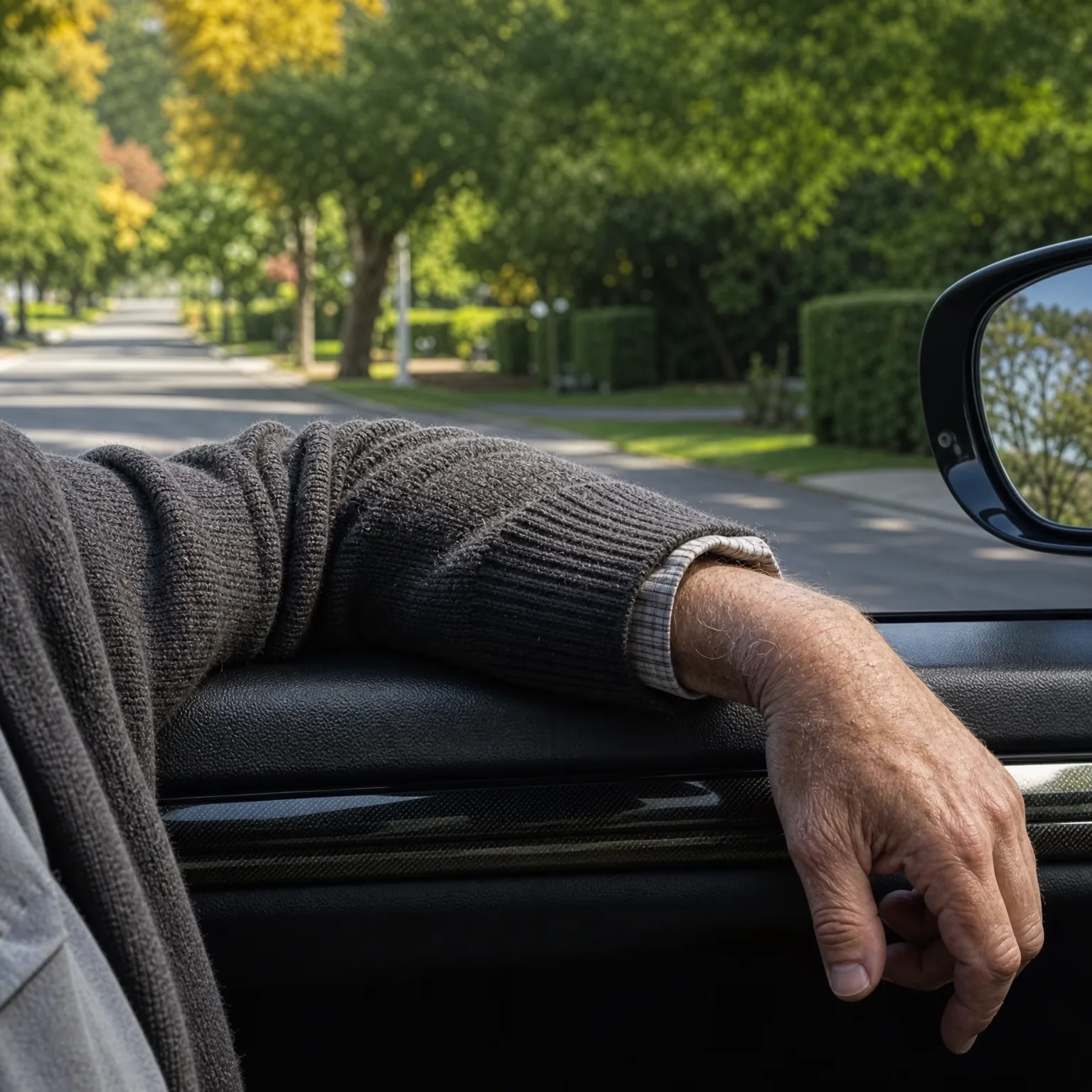
What kind of policy you have changes everything
A standard auto policy and a classic car policy don't treat storage the same way. A standard policy usually assumes the car is driven regularly, and some standard policies reduce or drop comprehensive coverage if a car sits unused for a long stretch without the insurer knowing.
A classic car policy is built differently. It usually charges less overall because the insurer expects the car to be driven rarely, often on a mileage limit, and parked the rest of the time. Storage isn't an exception to that policy. It's the normal state the car is in.
If your classic car is insured under a regular auto policy rather than a classic or collector policy, don't assume storage is handled the same way. Ask your insurer directly what happens to coverage when the car isn't being driven for months at a time.
If you're not sure which type of policy you have, the renewal notice or the declarations page will say. Look for words like 'collector,' 'classic,' or 'agreed value.' If you don't see them, call and ask.
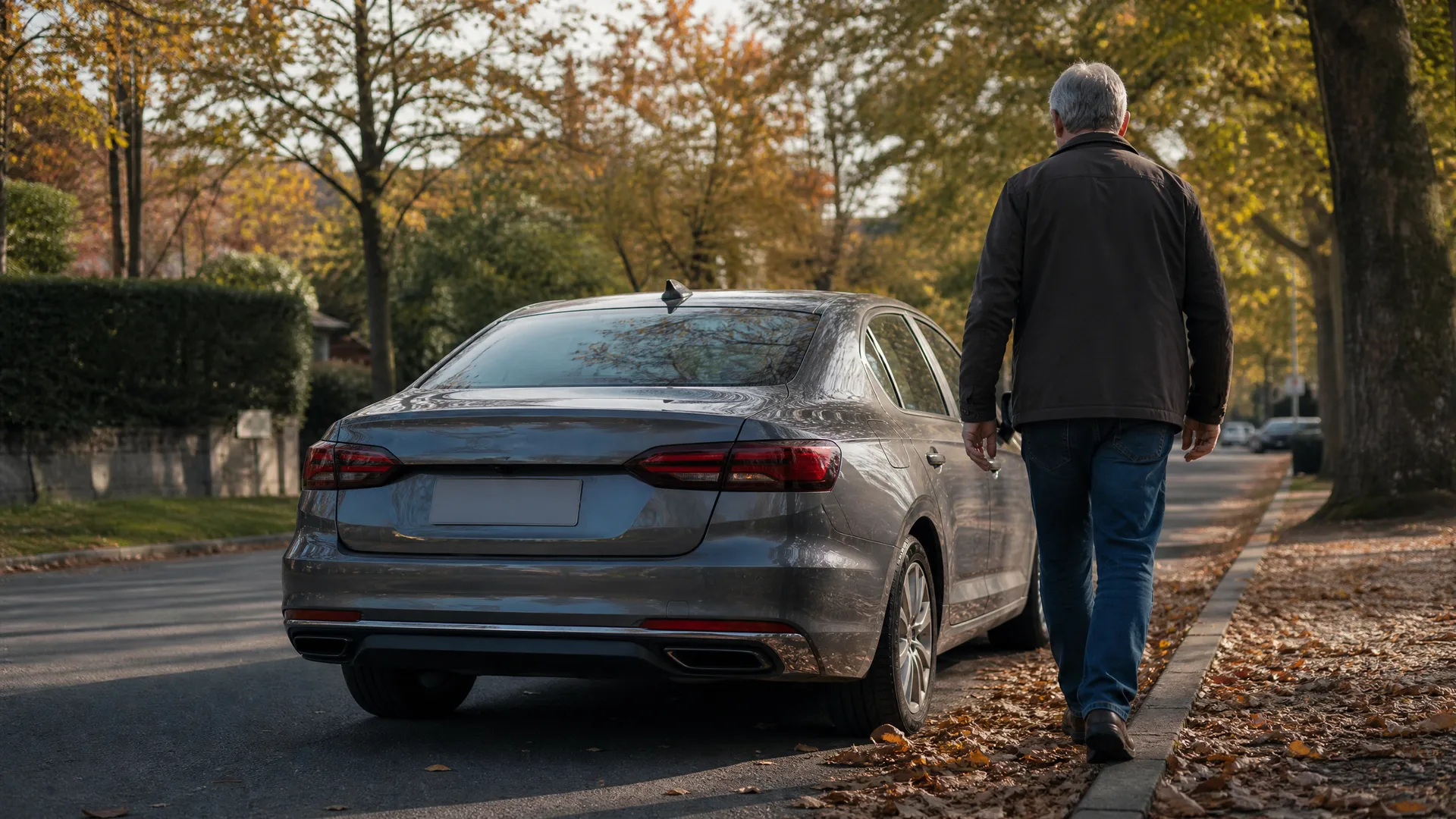
Where and how you store the car
Insurers that write classic car policies often ask where the car will be kept during the months it isn't driven. A locked, enclosed garage is treated differently than a carport, a driveway, or a shared storage facility.
If your policy lists a specific storage location or storage type, moving the car somewhere else for the winter without telling the insurer can create a problem if you ever need to file a claim. The insurer may ask why the car wasn't where the policy said it would be.
Some policies also expect basic precautions during storage, like disconnecting the battery or using a cover, though this varies by insurer and isn't universal. Read the actual policy language rather than assuming, since what one insurer requires another may not.
If your storage plans changed from what you told the insurer when you bought the policy, the right move is to call and update it before winter starts, not after something happens.
Questions people ask about this
Do I need to tell my insurer every year that the car is being stored for winter?
Check your policy, because this varies by insurer. Some classic car policies set storage terms once and expect you to follow them every year without a new notice. Others ask you to confirm storage details annually, especially if anything changed. Your agent can tell you which applies to your policy.
Does my classic car insurance cover theft while it's in storage?
Most classic car policies include coverage for theft during storage, since that's one of the main risks the policy is written to cover. Whether a specific claim is paid depends on whether the car was stored the way the policy says it would be. If you moved the car to a different location than what's listed on the policy, ask your insurer how that affects a theft claim.
Can I cancel my classic car insurance for the winter and reinstate it in spring?
Some insurers allow this and some don't, so this is a question for your specific company rather than a general rule. If you cancel coverage, the car has no protection against fire, theft, or weather damage while it sits, which is a real risk for a car that's often difficult or expensive to replace. Ask your insurer what a pause would mean for your rate and for any gap in coverage history.
Does a mileage limit on my classic car policy still apply during winter storage?
A mileage limit applies to the whole policy period, not just the months you're driving the car, so winter storage doesn't reset or pause it. If you're close to your limit heading into winter, ask your insurer how they handle an overage and whether you can adjust the limit at renewal.
What happens to my classic car insurance if I move it to a different storage location mid-winter?
This depends on what your policy says about storage location. If the policy names a specific address or type of storage, moving the car elsewhere without updating the insurer can affect a claim if something happens while it's at the new location. Call your agent before you move the car, not after.
See how classic car policies in your area handle winter storage before you decide what to do with yours.
Pull out your current policy documents and find the section on storage or layup, along with any notes about where the car is supposed to be kept. If you can't find anything specific, call your agent this week and ask directly what happens to coverage while the car is parked for winter. Ask what storage conditions they expect, whether you need to notify them of any changes, and whether your mileage limit or usage terms are affected. If your car is on a standard auto policy rather than a classic or collector policy, ask whether that policy accounts for extended storage at all. Getting these answers before you put the car away means you're not finding out the hard way after a claim.