Is It Safe to Store a Classic Car in an Unheated Garage
An unheated garage is safe for a classic car as long as moisture is controlled, and your insurer may ask how the car is stored either way.
Yes, if the garage keeps the car dry
Cold alone doesn't damage a classic car. Moisture does, and that's what an unheated garage has to manage. A dry unheated space is safer than a heated one that traps humidity, because temperature swings matter less than condensation sitting on metal and chrome.
What this depends on is the garage itself. A concrete floor without a vapor barrier, a leaky roof, or poor airflow can turn an unheated garage into a problem no matter how cold it gets. The building matters more than the thermostat.
Moisture is what actually causes damage
Rust forms when metal sits in damp air, not cold air. An unheated garage in a dry climate can be a better home for a classic car than a heated one in a humid area, because heating a damp space without ventilation just keeps the moisture moving instead of removing it.
Check whether the floor has a vapor barrier underneath it. Concrete poured directly on soil pulls moisture up into the garage over time, and that moisture ends up on the underside of the car.
A cover helps, but only a breathable one. A plastic tarp or a non-breathable cover traps whatever moisture is already in the air against the paint and the chrome, which does more harm than leaving the car uncovered.
If the garage has any heat source at all, even a space heater used occasionally, ask whether it runs with a dehumidifier. Inconsistent heat creates more condensation than no heat at all.
Your policy may ask how the car is stored
Classic car insurance often comes with storage conditions attached to the policy, separate from the usual coverage terms. Some insurers want to know the car is kept in an enclosed structure, and some go further and ask about the type of garage or whether it's heated.
This varies by insurer, so check your policy documents or ask your agent directly whether storage conditions are listed anywhere. If they are, find out what happens if those conditions change, for example if you move the car to a different garage partway through the year.
A policy written around limited mileage and seasonal storage sometimes assumes a specific kind of space. If your garage doesn't match what was described when you bought the policy, it's worth asking whether that affects a claim.
This isn't something to guess about. An unheated garage that's otherwise dry and secure usually satisfies most storage requirements, but the only way to know for certain is to ask your own insurer what your policy actually requires.
Questions people ask about this
Does a dehumidifier help in an unheated garage?
Yes, a dehumidifier is one of the most effective tools for an unheated garage because it addresses the actual cause of rust and corrosion. Check that the garage has enough electrical capacity to run one continuously through the storage season, since it needs to stay on to be effective.
Should I start a classic car engine while it's in storage?
This depends on how the car is stored and what the owner's manual or a trusted mechanic recommends for that specific engine. Starting an engine briefly without driving it can cause more condensation inside the engine than leaving it off, so it's worth asking a mechanic familiar with classic cars rather than assuming either approach is safer.
What floor covering is best for storing a classic car?
A breathable floor mat designed for vehicle storage is generally better than bare concrete, because it reduces direct contact between the tires and a cold, potentially damp surface. Check with the mat manufacturer whether their product is rated for long-term storage, since not all mats are designed for that.
Does unheated storage affect a classic car insurance claim?
It depends entirely on what your policy says about storage conditions. If your policy lists specific requirements and the garage didn't meet them at the time of a claim, that could be relevant, so ask your insurer directly what your policy requires and keep records showing how the car was stored.
How often should I check on a classic car in winter storage?
This depends on the garage and the car, but periodic checks let you catch moisture problems, pest activity, or tire issues before they become serious. Ask your insurer or a classic car club in your area what a reasonable check-in schedule looks like for your climate and storage setup.
If you're not sure your current policy fits how you actually store the car, it's worth comparing quotes built around classic car coverage.
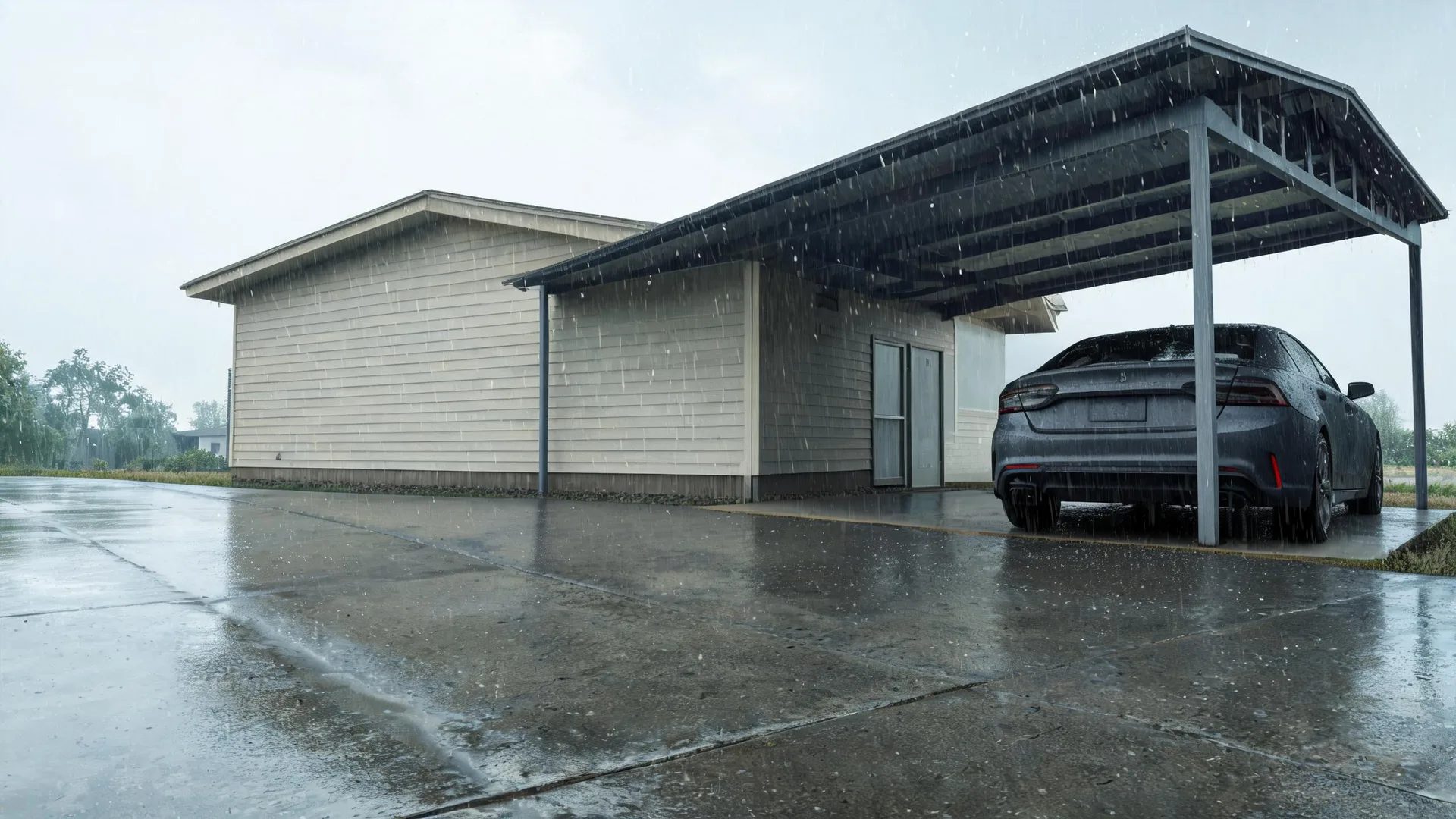
Walk through your garage this week and check the floor for moisture, the roof for leaks, and the airflow around the car. Pull out your policy documents and look for any section on storage requirements, then call your insurer or agent if you can't find a clear answer. Ask specifically whether your garage needs to be heated, enclosed, or monitored in some way, and get that answer in writing if you can. If the garage doesn't match what the policy assumes, ask what your options are before the next renewal rather than after a claim.