How to Keep a Classic Car from Rusting
Rust comes from moisture and road salt getting into metal, so the fix is controlling where the car sits and what it touches, not just what you spray on it.
Keep it dry, keep it clean, keep it moving
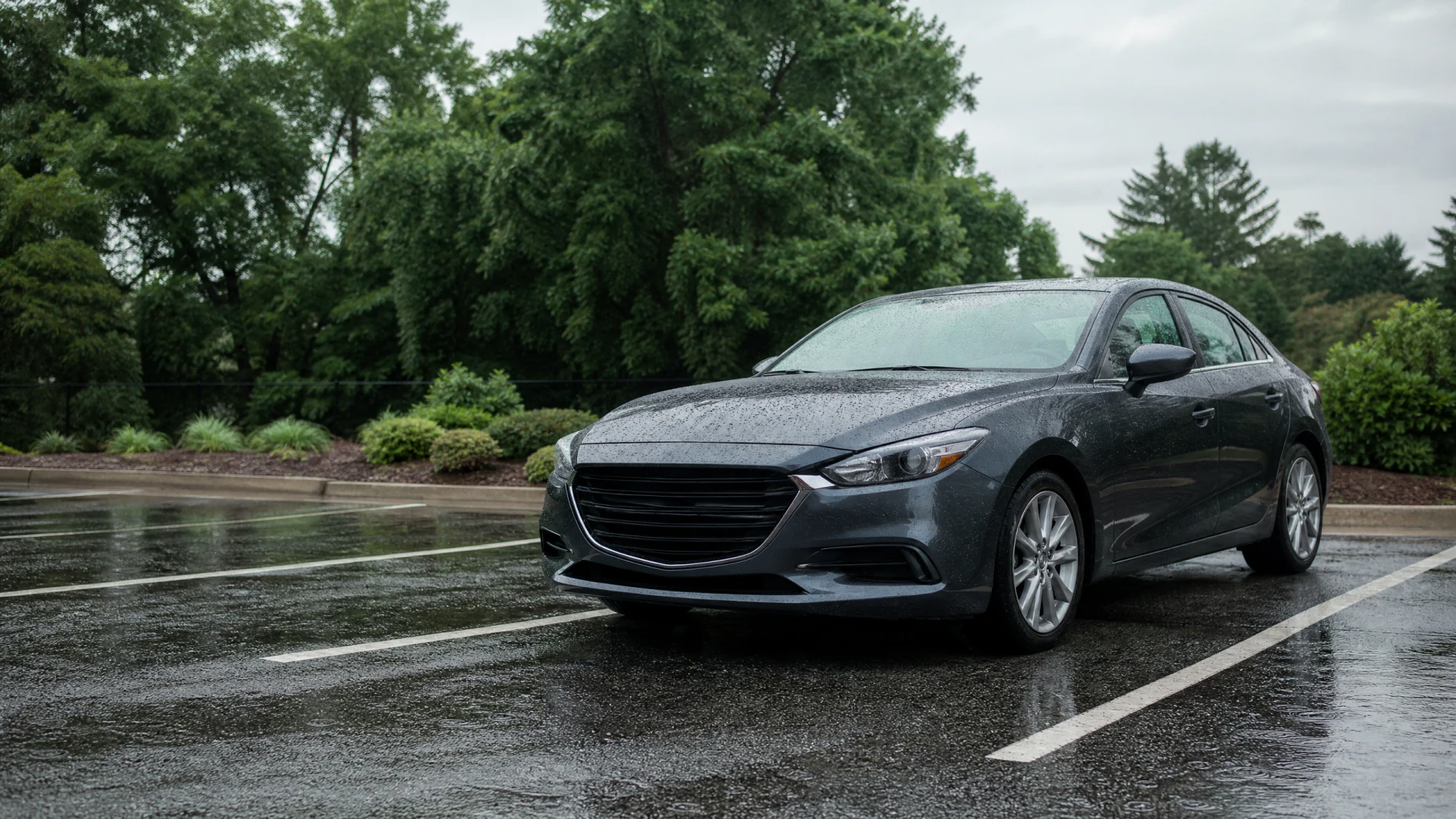
Rust starts wherever moisture sits against bare metal and doesn't dry out. The three things that cause the most damage are condensation in an unheated garage, road salt left on the underside after a drive, and water trapped in seams and wheel wells. Controlling those three things prevents most of the rust a classic car develops.
A dry, ventilated storage space matters more than any product you put on the car. Beyond that, washing the undercarriage after any drive in wet or salted conditions, keeping the car waxed, and starting it regularly so moisture doesn't sit in the exhaust and engine all help. None of this is about one trick. It's about not giving rust the conditions it needs.
Where you store it decides most of it
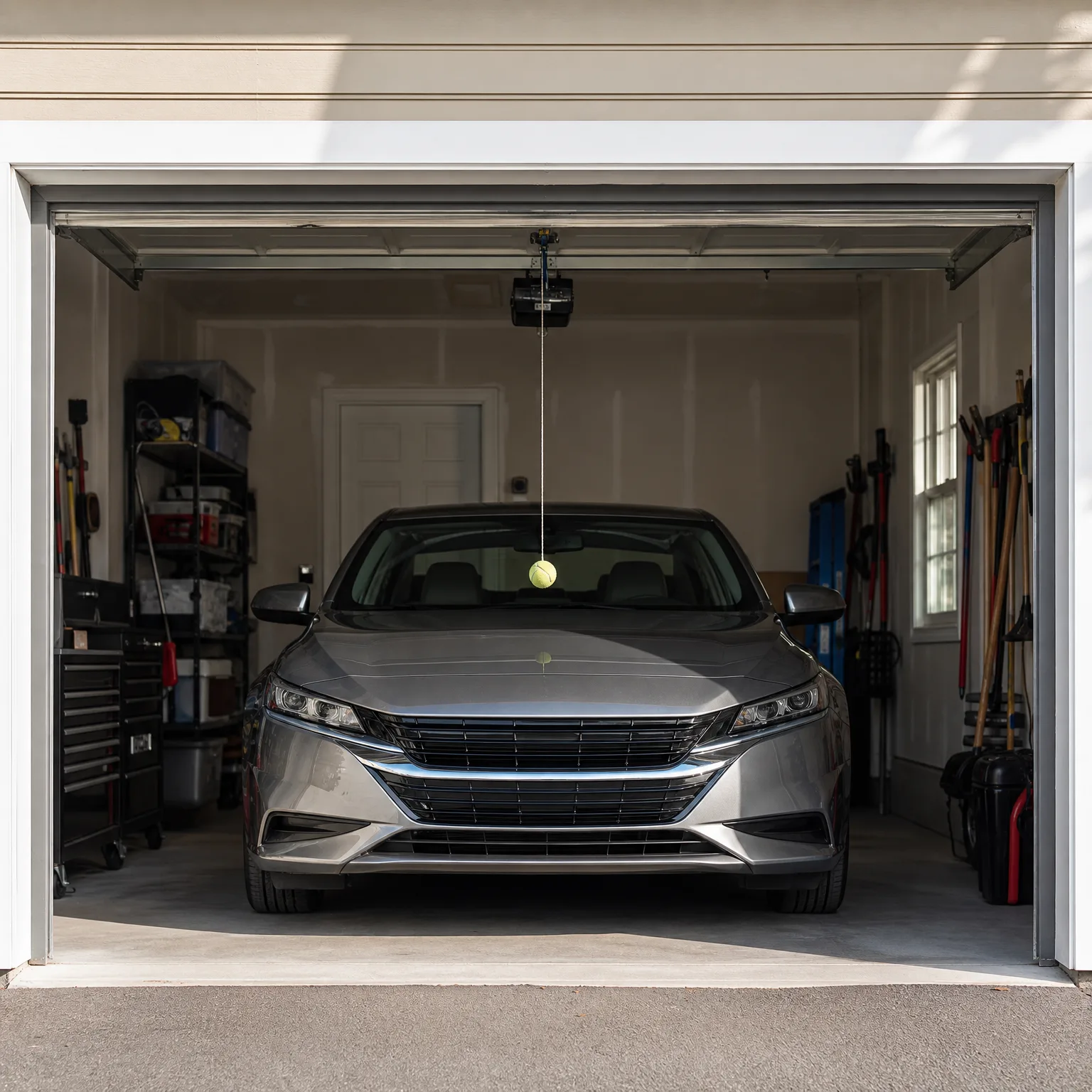
A heated, insulated garage is the best environment, but even an unheated one is fine if it's dry and has some airflow. The real danger is a damp garage, especially one with a dirt or unsealed concrete floor, where moisture rises into the car from underneath. A cover inside a damp garage can make this worse, not better, by trapping condensation against the paint.
If the car sits outside or in a shared garage, a breathable car cover matters more. A cover that doesn't let moisture escape will do the same thing a damp garage does.
If you store the car seasonally, check it partway through. Rust that starts in storage is often caught too late because nobody looks until the car comes back out.
What most people get wrong about it
Most rust prevention effort goes into the paint, when the paint is rarely where rust starts. It starts underneath, in wheel wells, along seams, and in places that were welded or repaired at some point, because those spots often have thinner or exposed metal. A wax job on the hood does nothing for rust starting in the rocker panels.
The other common mistake is treating rustproofing as a one-time job. Undercoating and rust inhibitors wear down, especially if the car is driven at all, and need to be checked and reapplied over time, not applied once and forgotten.
If you bought the car used, ask the previous owner or a mechanic to check for existing rust in hidden spots before you do anything else. Treating visible surface rust while early rust sits hidden in a seam doesn't solve the problem, it just delays finding it.
Questions people ask about this
Does keeping a classic car rust free lower insurance?
It can help, because insurers who cover classic cars often ask about storage conditions and condition of the car when setting a policy. Ask your insurer directly whether rust prevention or dry storage affects your rate, since this varies by company.
What usually matters more to a classic car insurer is how the car is stored and how often it's driven, which are also the two biggest factors in rust.
What rustproofing should a classic car get?
The common options are undercoating, cavity wax injected into panels and frame rails, and oil-based rust inhibitors sprayed into seams. Each protects a different part of the car, so many classic car owners use more than one.
A shop that specializes in classic or antique cars will know which option fits your car's body style and age. A general auto shop may only offer modern undercoating, which isn't always the right match for an older frame.
Does a car cover help prevent rust?
A breathable cover helps when the car is stored somewhere exposed to dust, sun, or minor moisture. A cover that traps moisture against the body can cause more rust than no cover at all.
Check that the cover is rated for outdoor or garage use as intended, since indoor-only covers are often not breathable enough for a space with any humidity.
Does driving a classic car more often prevent rust?
Regular driving helps because it burns off condensation that builds up in the exhaust and engine when a car sits unused. A car that never runs tends to collect moisture internally even if it looks dry on the outside.
This has to be balanced against mileage and wear, so most classic car owners aim for occasional short drives rather than daily use.
What parts of a classic car rust first?
Rust usually starts in wheel wells, rocker panels, the trunk floor, and any spot that was previously welded or repaired. These areas often have thinner metal or exposed seams where moisture collects and doesn't dry out.
Checking these specific spots regularly catches rust early, often before it's visible from outside the car.
If rust and storage affect what insurers want to know about your car, it helps to see how different companies price that.
Start by finding a dry, ventilated place to store the car, even if it's not heated, since moisture control matters more than temperature. Wash the undercarriage after any wet or salted drive, and check wheel wells, rocker panels, and any repaired seams every few months rather than waiting until a problem is visible. If you haven't already, ask a shop that works on older cars whether undercoating or cavity wax fits your car's body, since not every product suits every frame. When your policy is up for renewal, ask your insurer directly whether the car's storage and condition affect your premium, since this isn't the same at every company.