How to Protect a Car That Sits Outside in Winter
A car parked outside through winter needs a few regular checks, and your insurer expects you to have made them if you file a claim.
Cover the battery, the tires, and the body
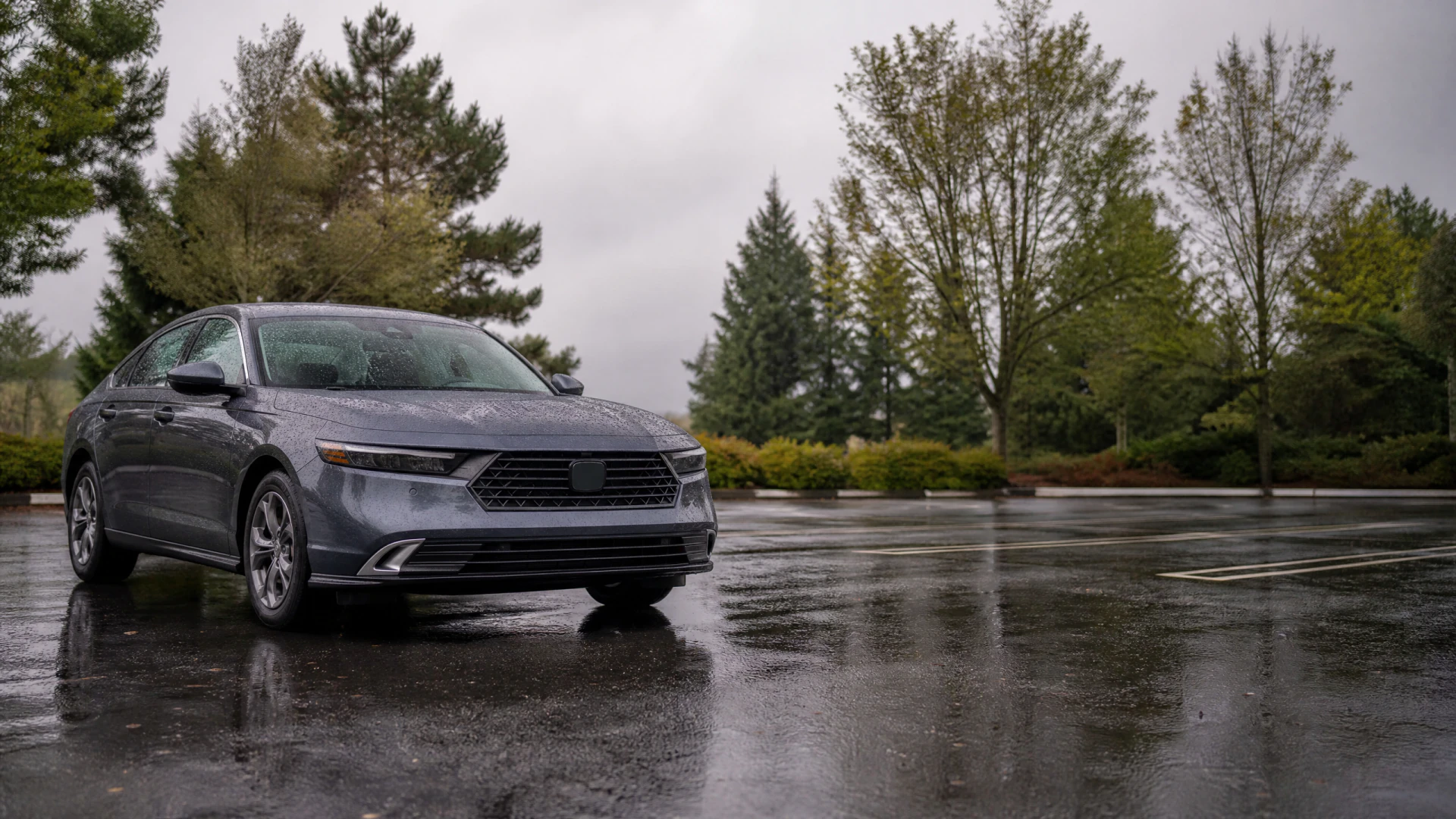
Cold weather is hardest on three things: the battery, the tires, and anything exposed to moisture and salt. A battery that's already weak can fail within the first hard freeze. Tires lose pressure as the temperature drops, sometimes enough to matter. And snow, ice, and road salt sitting on the body or undercarriage for days at a time will work on the metal and the paint.
None of this is complicated. Starting the car and letting it run for a few minutes on cold days keeps the battery charged. Checking tire pressure every week or two catches the drop before it becomes a problem. Brushing off snow and rinsing off salt when you can keeps the damage from building up over the season.
What your insurer will actually ask about
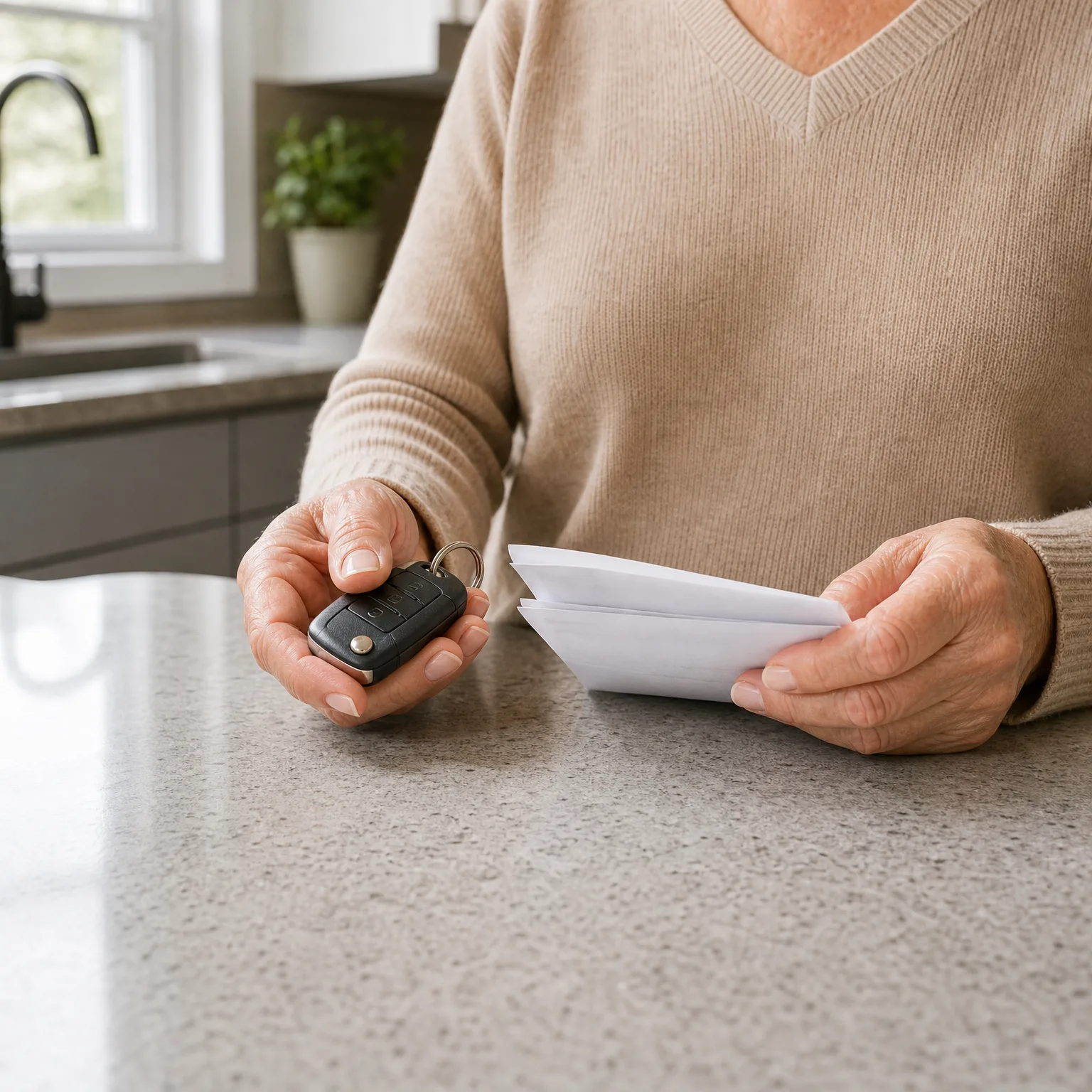
If you file a claim for weather damage, ice, a fallen branch, a cracked windshield, your insurer will ask what coverage you have and whether the damage was something you could have prevented. Comprehensive coverage is what pays for weather-related damage to a parked car. If you dropped comprehensive at some point to save money, winter damage to a car sitting outside won't be covered at all.
Insurers generally don't expect you to control the weather, but they do expect basic upkeep. A dead battery from months of neglect isn't a weather claim, it's a maintenance issue, and it won't be covered either way. The line between the two matters, and it's worth knowing which side a given problem falls on before you call to file anything.
If you're not sure what your policy covers for a car parked outside, your insurer or agent can tell you exactly what comprehensive includes and whether there's a deductible that makes a small claim not worth filing.
Where the car sits matters more than the car itself
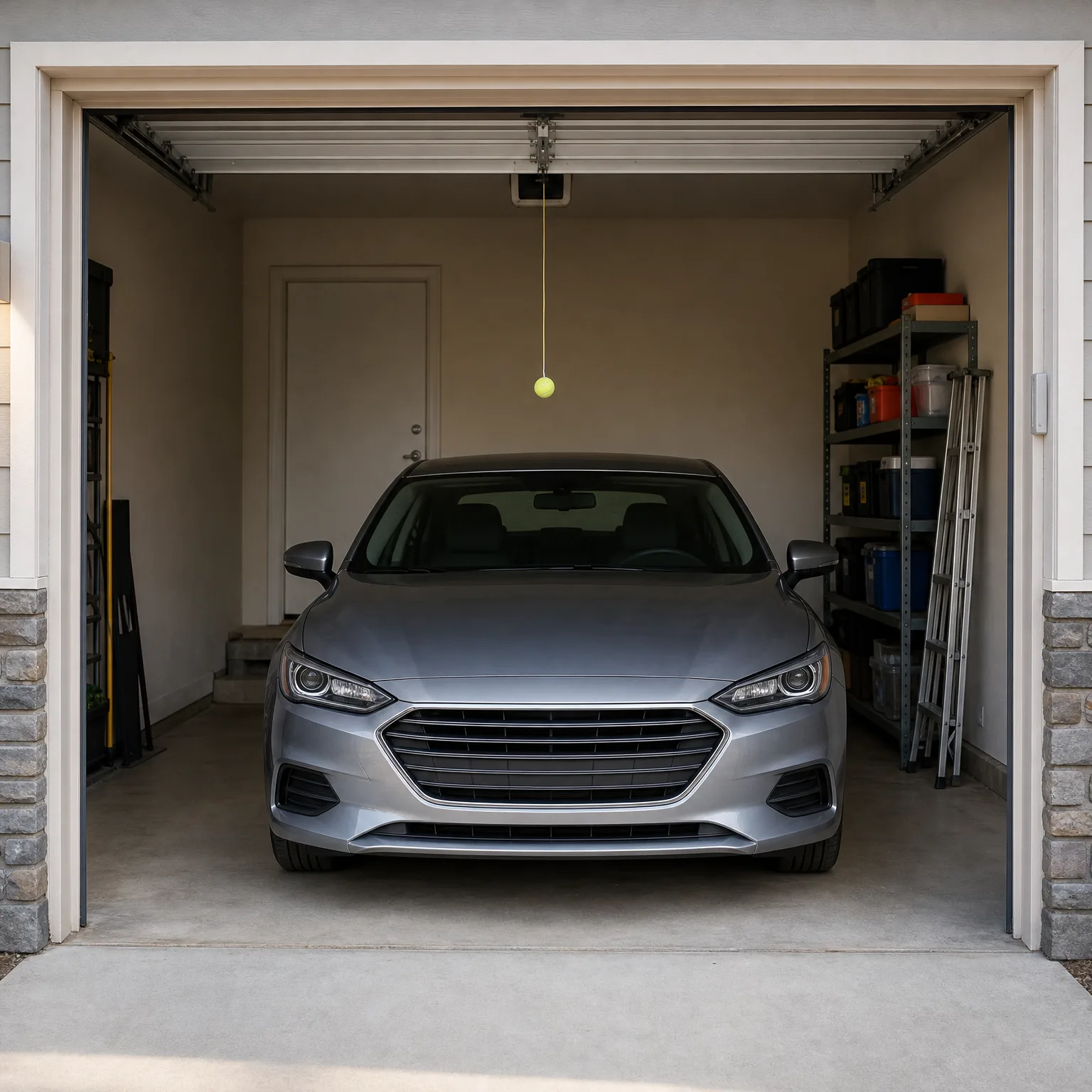
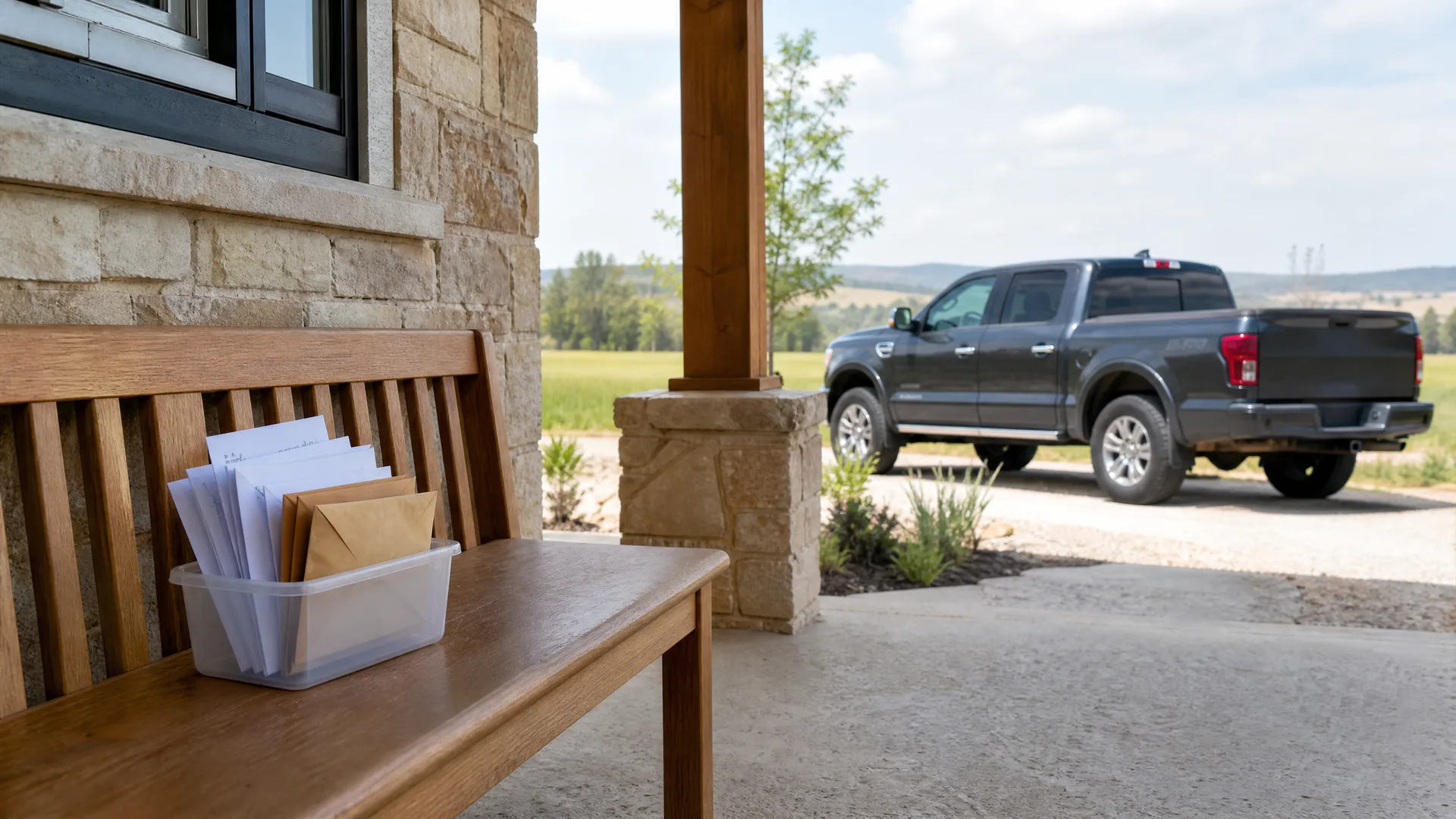
A car parked on the street faces more exposure than one in a driveway, and a driveway is more exposure than a carport or garage. If you don't have covered parking, a simple car cover keeps frost off the windshield and reduces how much salt and road grime sits on the paint.
Where you park can also affect what your insurer charges, since some insurers ask where the car is kept overnight when you first set up the policy. If your parking situation changed since then, say from a garage to the street, it's worth mentioning when you renew. It won't always change anything, but it's the kind of detail an insurer may ask about later if you file a claim.
For older vehicles especially, consistent care matters more than any single storm. A car that gets brushed off and started regularly holds up through a winter far better than one that's left alone until spring.
Questions people ask about this
Should I start my car every day in winter if it sits outside?
You don't need to start it daily, but going more than a week or two without starting it in cold weather can run down the battery. Letting the engine run for several minutes a few times a week keeps the battery charged and the fluids circulating.
Does a car cover help prevent ice damage?
A cover mainly keeps frost off the windshield and reduces how much snow and salt sit directly on the paint. It won't prevent damage from falling branches or hail, and it won't change what your insurance covers, but it does cut down on the everyday wear.
Will my insurance rate go up if I park on the street instead of a garage?
It depends on your insurer, since some factor in where the car is kept overnight when they set your rate. If your parking situation has changed, ask your insurer whether it affects your premium or your coverage.
Is a cracked windshield from cold weather covered by insurance?
It's usually covered under comprehensive coverage if you carry it, since windshield damage from temperature swings or debris falls under that category. Check your policy or ask your insurer whether there's a separate glass deductible, since many policies handle glass claims differently from other comprehensive claims.
Should I disconnect my car battery for the winter if I'm not driving it much?
Disconnecting it can help if the car will truly sit unused for weeks, since a disconnected battery won't drain from the car's electronics. If you're still driving it occasionally, it's simpler to just start it regularly instead.
If your parking situation or coverage has changed since you last renewed, it's worth seeing what other insurers would charge.
Check your policy this week to see whether you carry comprehensive coverage, since that's what pays for most winter weather damage. Look up your deductible too, so you know whether a small claim is even worth filing. If you've started parking somewhere different than when you set up the policy, mention it to your insurer and ask if it changes anything. Keep up the basics: start the car regularly, check tire pressure every couple of weeks, and clear off snow and salt when you can. If a renewal notice is what brought you here, compare what else is available before it processes.