How to Plan for a Classic Car in Your Estate
A classic car needs its own plan in your estate, separate from your other property, because its value and its paperwork don't work like everything else you own.
Put it in writing, get it appraised, and name who takes it
Planning for a classic car in your estate means three things: a current appraisal, clear instructions in your will or trust about who gets the car, and a plan for keeping it insured and stored until that happens. Without all three, the car can end up tied up in probate, sold off to settle the estate, or fought over by people who don't know what it's worth or what it needs.
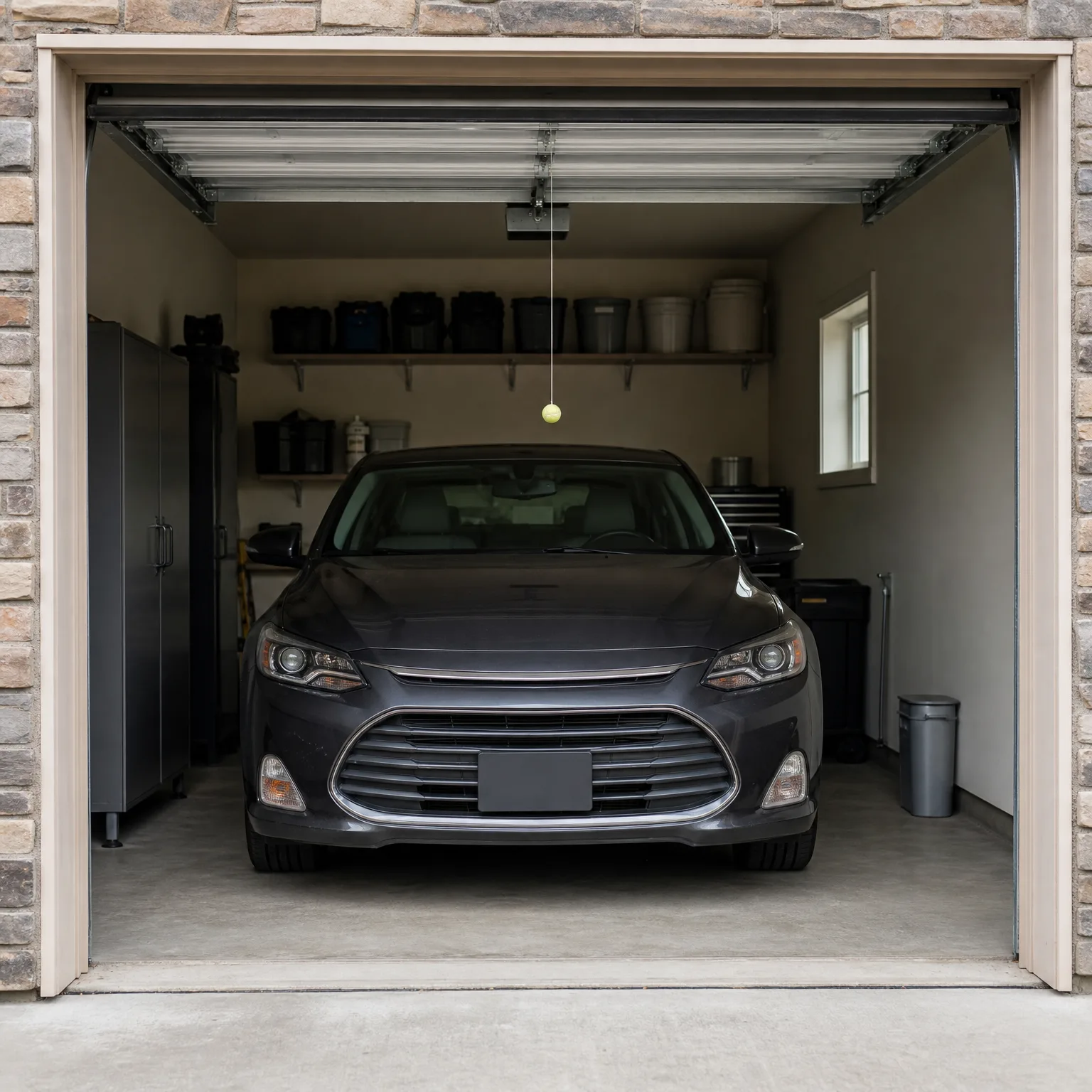
This matters more for a classic car than for most property because its value depends on condition and documentation that can slip fast if nobody's paying attention. A car that sits in a garage for months during probate, uninsured or insured incorrectly, can lose value or become impossible to replace if something happens to it.

Who you name, and whether they actually want the car
The first thing to settle is who inherits the car and whether that person actually wants it. A classic car is not like a bank account. Whoever gets it also gets the cost of storing it, maintaining it, and insuring it properly. If you leave it to someone who has no interest in keeping it, they'll likely sell it, and the price they get depends on how well you've documented its condition and history.
If you want the car kept in the family, say so specifically in your will or trust rather than leaving it as part of a general division of property. A car lumped in with "personal property" can get sold by an executor who doesn't know it's worth more than its blue book value, or given to someone who didn't actually want it while another heir did.
If more than one person might want it, decide now how that gets resolved. Co-ownership between siblings or other heirs works for some families and causes years of conflict for others. Naming one person and letting them buy out the others, or setting aside funds to cover the difference, is worth spelling out while you can still make that call yourself.
Talk to the person you're naming before you finalize anything. Finding out after the fact that they have no interest in a project car, or no space to store one, means the plan fails right when it's needed.
Keeping the paperwork current so the car doesn't lose value in probate
The second thing that decides how this goes is whether the car's documentation stays current. An appraisal from years ago won't reflect what the car is worth now, and an outdated value can shortchange an heir or cause problems if the estate needs to account for its assets accurately. Get the car appraised again every few years, and keep that appraisal with your other estate documents, not just in a drawer in the garage.
Title matters too. If the title isn't clear, meaning there are liens, name misspellings, or it's still titled to someone who has since passed, that has to get sorted out before the car can transfer to whoever inherits it. A clean title makes the transfer straightforward. A clouded one can hold up the whole estate.
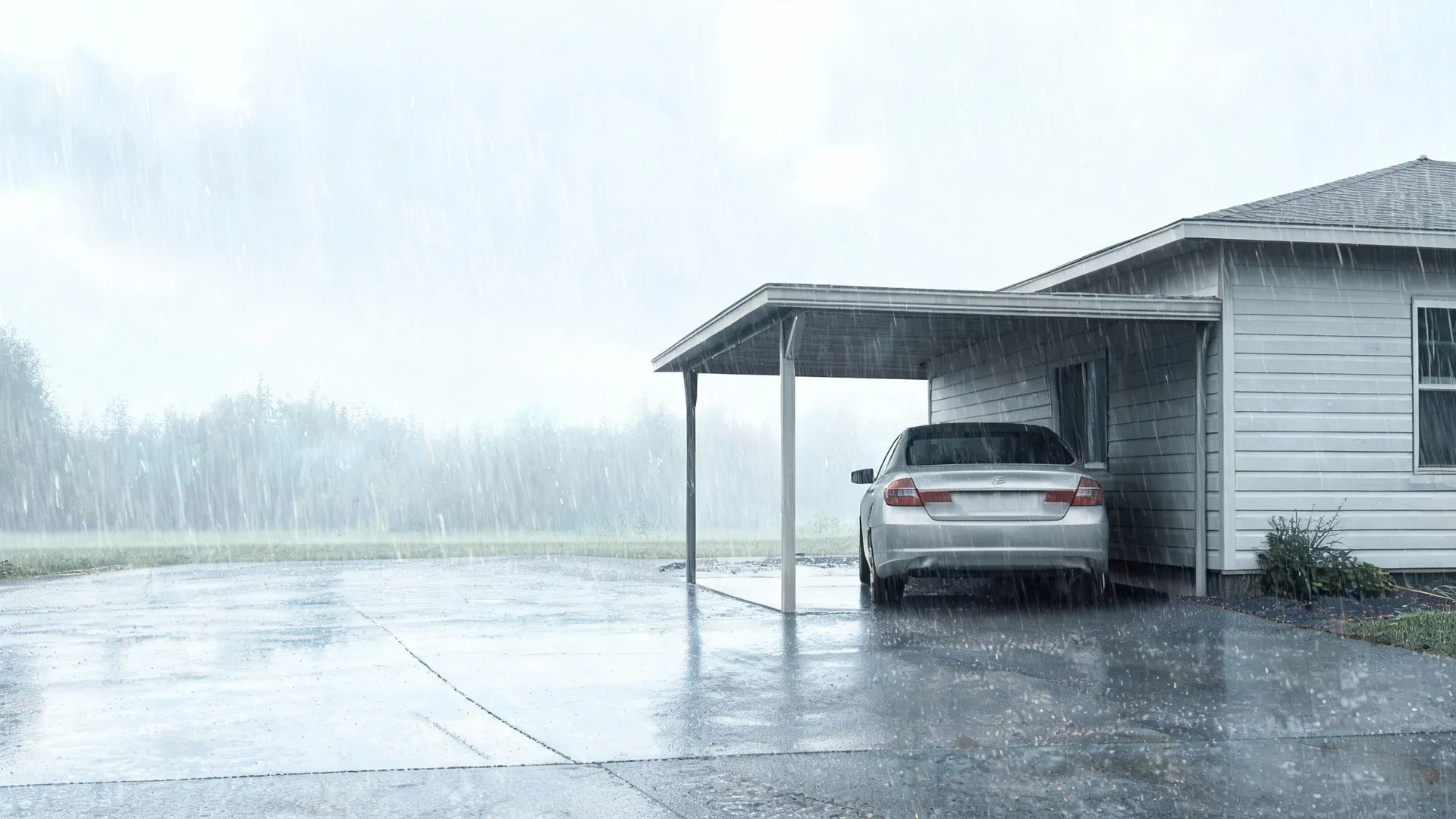
Insurance has to be addressed directly in your planning, not assumed. Classic car policies often have specific requirements about storage, mileage, and who's allowed to drive the car, and a policy that was fine for you may not transfer to an heir without changes. Make sure whoever handles your estate knows the policy exists, who the insurer is, and what has to happen to keep coverage active while the estate is settled.
If you have multiple classic cars or a car worth a significant amount relative to the rest of your estate, talk to an estate attorney about whether it should go into a trust rather than passing through your will. That can avoid probate delays that leave the car uninsured or unattended for months.
Questions people ask about this
Can I leave a classic car to someone outside my immediate family?
Yes, you can name anyone you want in your will or trust, the same as any other property. What matters is naming them specifically and making sure they know the car is coming to them, since a classic car arriving unannounced creates the same storage, insurance, and upkeep questions for a friend or distant relative as it would for family.
Does a classic car need a separate insurance policy from my regular car insurance?
Most classic cars are insured under a specialized policy built for low mileage and collector value rather than a standard auto policy, and that policy usually has its own rules about storage and use. Check with your insurer about what kind of policy the car is on now, since that affects what has to happen for coverage to continue after it passes to someone else.
What happens to a classic car during probate if nobody is driving it?
It generally needs to stay insured and stored properly even while it sits unused, since a lapse in coverage or neglect in storage can affect both its condition and its value. Ask the executor or whoever is handling the estate to confirm the policy stays active and the car stays in a secure location until it's transferred.
Should I sell my classic car instead of leaving it to an heir?
That depends on whether anyone in your family actually wants the car and whether you'd rather they inherit cash instead of a vehicle with ongoing costs. Some people sell the car during their lifetime and leave the proceeds instead, which avoids the storage and insurance questions entirely, but that's a personal decision about what you want the car's future to look like.
How do I find out what my classic car is worth for estate planning purposes?
A qualified classic car appraiser can give you a current written valuation, which is different from an estimate based on general market listings. Ask your insurer if they require a specific type of appraisal for the policy, since the same documentation can often serve both the insurance and the estate planning purpose.
Before you finalize the plan, see what it costs to keep the car properly insured in the meantime.
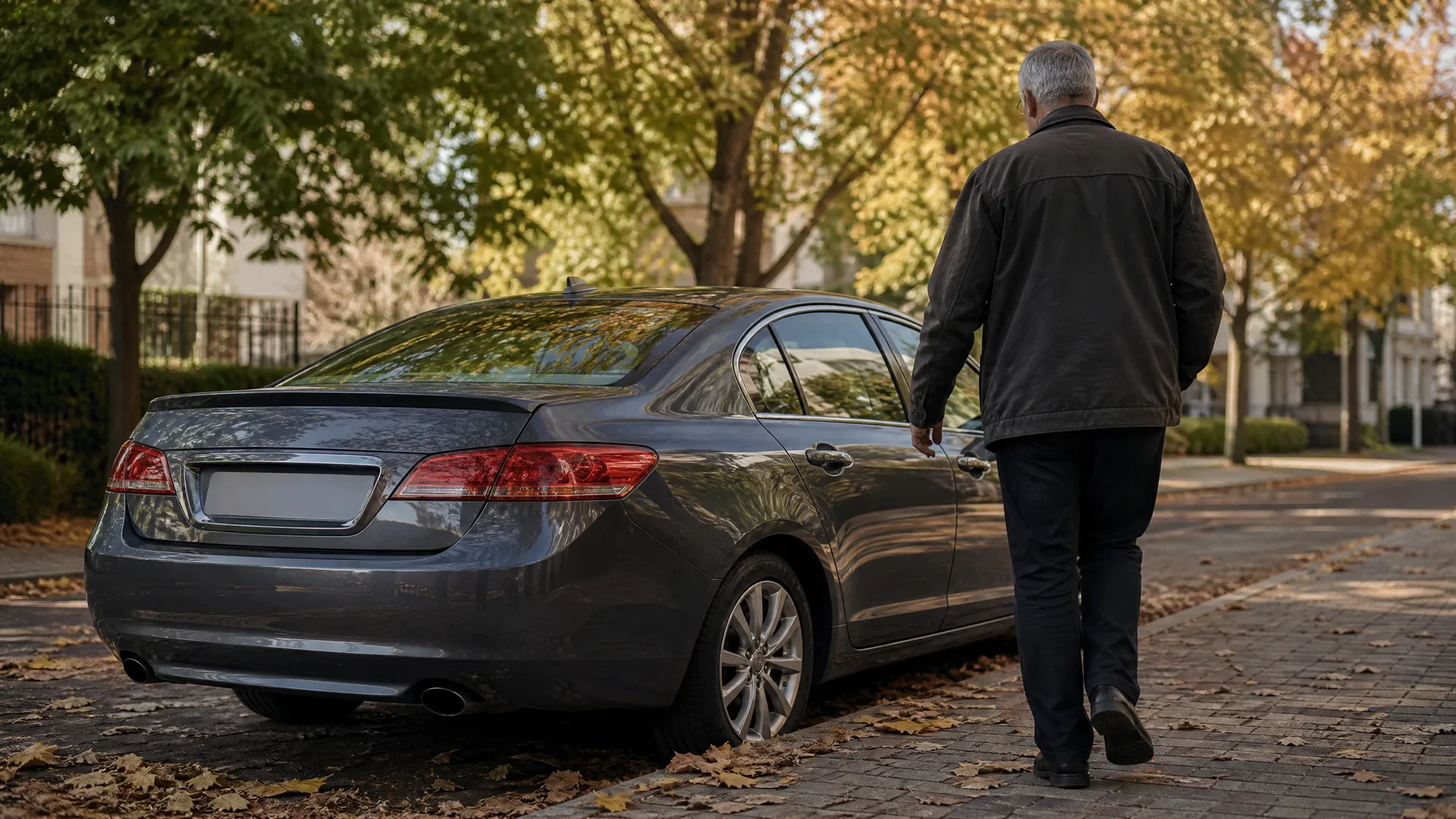
Start by getting the car appraised if it's been more than a couple of years since the last one, and keep that appraisal with your will or trust documents. Write specific instructions naming who inherits the car rather than folding it into general personal property, and talk to that person now to confirm they actually want it. Check your title for liens or name issues that could slow down a transfer, and ask your insurer what happens to the policy if the car passes to someone else. If the car represents a significant part of your estate or you own more than one, bring it up with an estate attorney and ask specifically about a trust.