How to Keep a Classic Car Safe From Theft
Where you park it and how you prove it matters more than any alarm you can buy.
Secure storage and good records are what actually protect you
Keeping a classic car safe from theft comes down to two things: making it hard to steal, and making it easy to prove what you had if it's stolen anyway. A locked garage, a tracking device, and a steering lock all make the car a harder target. But insurers who cover classic cars also want to see that you've documented the car well, because a stolen classic is much harder to settle a claim on than a stolen daily driver.
This matters more for a classic than for an ordinary car because replacement value isn't obvious. A common car has a market full of comparable sales. A classic often doesn't, so the insurer leans on what you can show them: photos, appraisals, receipts for restoration work. Theft prevention and paperwork work together here, not separately.

How and where you store the car
Most classic car policies either require or strongly reward keeping the car in a locked, private garage rather than on the street or in an open driveway. Check your policy for this before you assume you're covered the way you think you are.
A locked garage does two things. It physically slows someone down, and it keeps the car out of sight, which removes most casual theft risk entirely. Cars that get stolen are usually cars someone noticed first.
If you don't have a private garage, ask your insurer what they expect instead. Some will accept a secured storage unit or a monitored facility. Some will adjust your rate if the car sits outside, and some won't offer coverage at all without off-street storage. This is set by the individual insurer, so ask directly rather than assuming.
If you drive the car occasionally and store it the rest of the time, tell your insurer that too. Storage-based or limited-mileage policies often expect the car to be off the road and secured between uses, and they may have specific requirements about how.
What you can document before anything happens
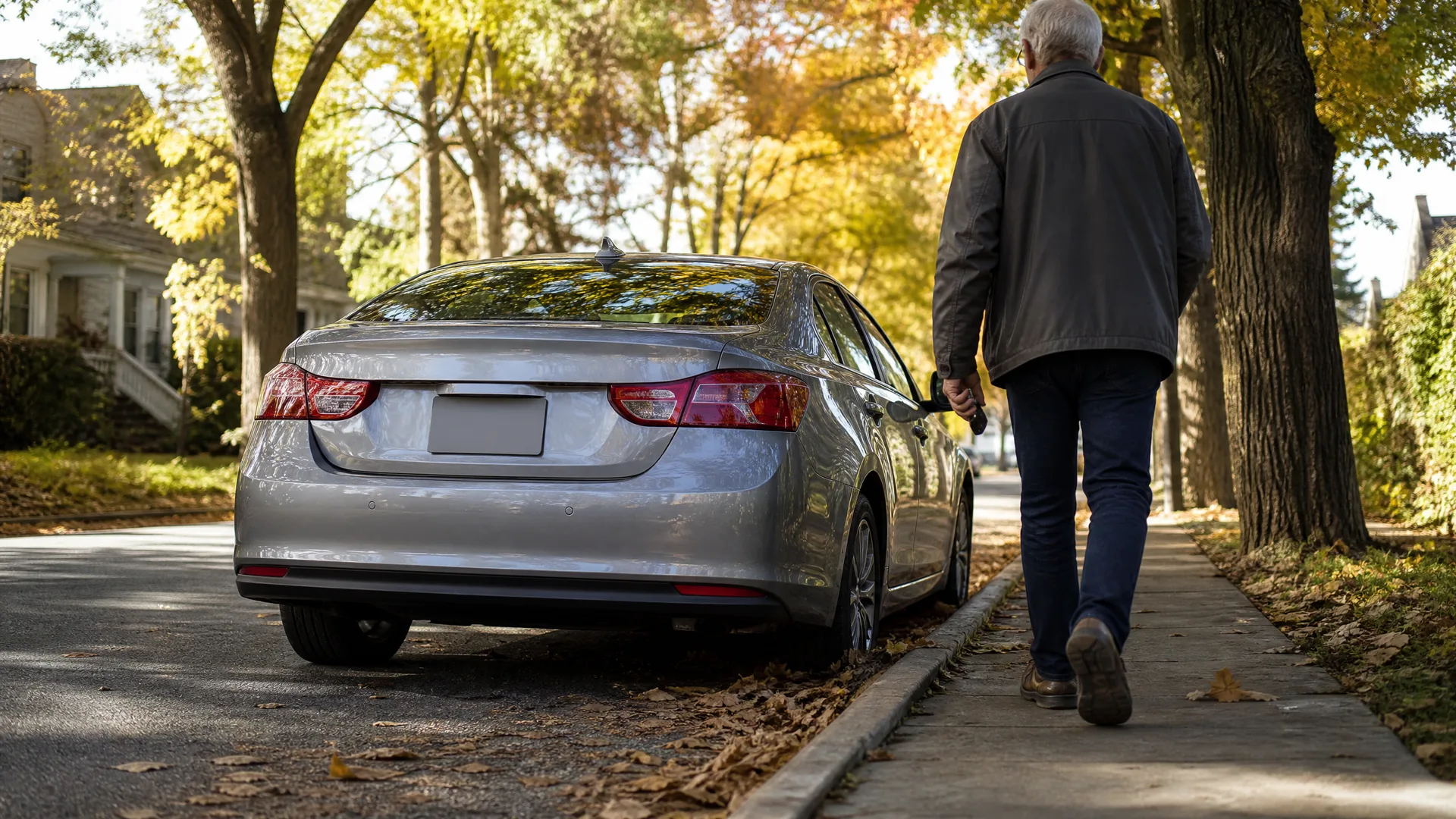
The best theft protection you can buy for a classic car is a paper trail that already exists before you need it. Photograph the car from every angle, inside and out, including the engine bay and the VIN plate. Keep receipts for parts, restoration work, and any numbers-matching components.
This matters because classic cars don't have a straightforward used-car value. If the car is stolen or stripped, your insurer will ask what it was worth and what made it that way. An agreed value policy, where you and the insurer settle on a value in advance, avoids an argument at the worst possible time. Ask your insurer whether they offer this and what documentation they need to set that value.
A tracking device helps for a different reason. It doesn't stop a theft, but it can help recover the car before it's stripped for parts, which is where most of a classic's value disappears. Ask your insurer if a tracker qualifies for any discount, since this varies by insurer.
Keep a copy of all of this somewhere other than the car and somewhere other than only your house. A cloud folder or a copy with a family member works. If a theft happens alongside a fire or a break-in at your home, you don't want the one copy of your documentation to be gone too.
Questions people ask about this
Does a classic car insurance policy cover theft the same way a regular policy does?
Not always, and you should check your specific policy rather than assume. Some classic car policies cover theft under an agreed value, settled in advance, while standard policies use actual cash value at the time of loss. Ask your insurer which method applies and what proof they'll want.
What security devices actually lower a classic car insurance premium?
This depends entirely on the insurer, so ask them directly rather than guessing. Many ask about tracking devices, alarm systems, and secured storage, but which ones qualify for a discount and how much it affects your premium varies by company.
Should I tell my insurer if I'm storing my classic car for the winter?
Yes, tell them before the car goes into storage, not after. Some policies adjust coverage or cost for a car that isn't being driven, and some require you to confirm it's parked in a specific way during that time. Ask what they need from you in advance.
Does joining a car club or registry help if my classic car is stolen?
It can help with recovery and documentation, though it's not a substitute for insurance or security measures. A registry often holds photos and ownership history that can help prove what the car looked like and confirm it's yours if it's recovered.
What happens to my coverage if I move my classic car to a new garage or storage unit?
Tell your insurer before the move, since some policies are written around where and how the car is stored. A change in storage location or security can change your premium or your coverage, and your insurer needs the current address either way.
See how classic car insurers differ on storage requirements and theft coverage before you decide where this one fits.
Start by checking your current policy for any storage or security requirements you might not be meeting. Photograph the car this week, inside and out, and put the photos somewhere other than your own house. Call your insurer and ask directly whether they offer agreed value coverage and what they need to set it. If you're storing the car anywhere other than a locked private garage, ask whether that affects your coverage before anything happens, not after. Keep receipts for any work done on the car from now on, and keep them with the photos.