How to Price a Classic Car for Sale
A classic car is worth what a serious buyer will pay for one in the same condition, not what a price guide says.
Start with recent sales, not price guides
Price guides give you a range, but the number that matters is what similar cars actually sold for recently. Look at completed auction results and sold listings for the same year, make, model, and trim, not the asking prices on cars still sitting unsold.
From there you adjust for condition, originality, and documentation. Two cars with the same name on the title can be worth very different amounts once you account for how much of the car is original, how well it runs, and what paperwork comes with it.
Condition and originality decide the range
A full restoration done to a high standard can be worth more than a car with original paint and parts, or less, depending on the model and who's buying. Some collectors pay a premium for cars that have never been apart. Others want a car that looks and drives perfectly and don't care how it got there.
Be honest about what you have. Rust repair, replaced panels, a non-matching engine, these all affect the number, and a buyer who knows the model will find them during inspection even if you don't mention them.
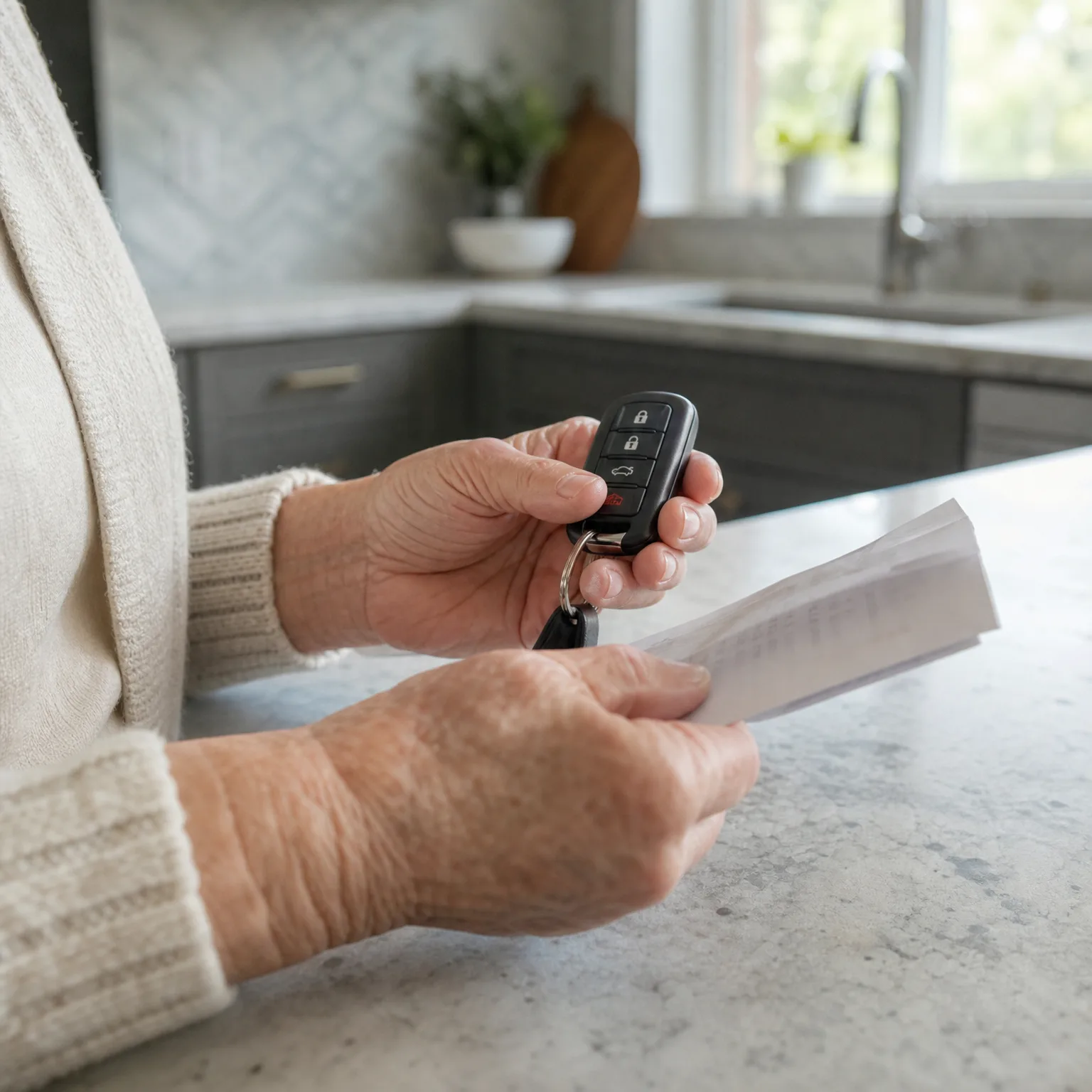
Documentation changes the price too. Original invoices, build sheets, service records, and ownership history give a buyer confidence that the car is what you say it is. A car with a thin paper trail usually sells for less than one with a full history, even if they look identical.
Get a few opinions if you're not sure where your car falls. A marque specialist or a classic car appraiser who works with your specific model will spot details a general appraiser might miss.
Where and how you sell changes the price
The same car can bring different money at a major auction house, a local classic car dealer, or a private sale, because each reaches a different pool of buyers. Auction houses that specialize in your type of car often get serious collectors bidding against each other, which can push the price up, but they also take a commission.
A private sale avoids that commission but means more work finding a buyer who knows what they're looking at and is willing to pay accordingly.
Timing matters too. Some models have more buyers at certain times of year, around major car shows or auction weekends, and selling off-season can mean a longer wait or a lower offer.
Once you have a number in mind, that same figure matters for insurance, whether you're selling the car or keeping it. A classic car policy is usually written to an agreed value, which you and the insurer settle on using many of the same things that set the sale price: condition, originality, and documentation.
Questions people ask about this
What documents increase a classic car's value?
Original title history, build sheets, factory invoices, and a documented service record all support a higher price. They prove the car's history and reduce the buyer's uncertainty about what they're getting, which is worth money to a serious collector.
Should I get an appraisal before selling a classic car?
A written appraisal from someone who specializes in your model is worth having, especially for a higher value car. It gives you a documented number to support your asking price and can also be useful if you need to set an agreed value for insurance.
Does a classic car need special insurance while it's for sale?
A car still being driven, shown, or transported while for sale typically needs to stay insured, and a standard policy may not cover it the way a classic car policy does. Check with your insurer about how a sale in progress affects your coverage.
How do I find comparable sales for a classic car?
Auction house archives and classic car sale databases list completed sales with final prices, not just asking prices. Search for the same year, model, and trim, and pay attention to the condition notes, since that's what explains the price difference between two similar cars.
Can modifications lower a classic car's value?
Non-original modifications often lower value for collectors who want the car as it left the factory, though some modifications add value for buyers who want a car built for driving rather than show. It depends heavily on the model and who's likely to buy it.
See what it would cost to insure the car at the price you're asking.
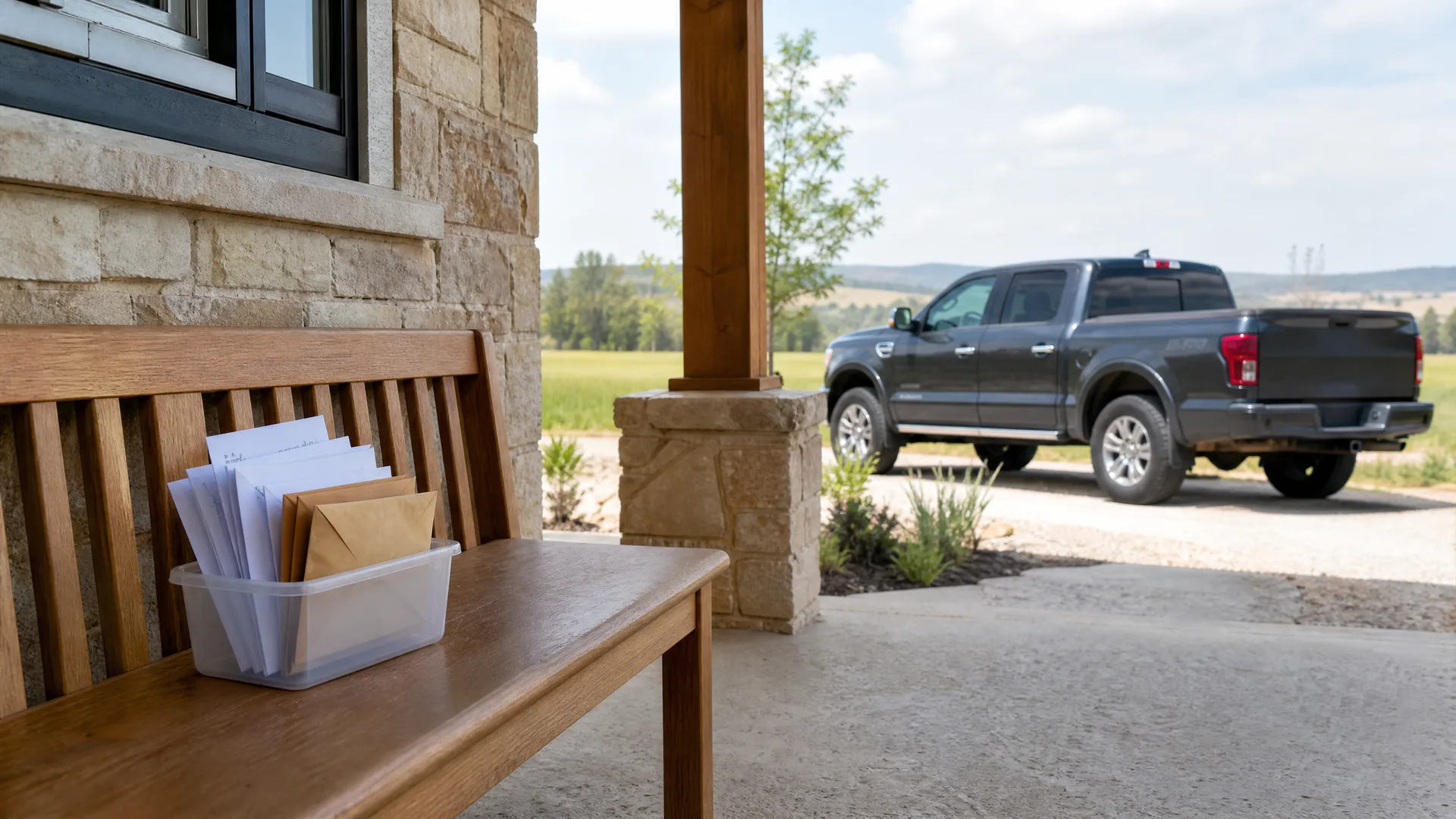
Pull together everything that documents the car: the title, service records, past appraisals, and any build sheets or original invoices you have. Look up recent sold prices for the same year, model, and trim, not just listings that are still active. If the car is worth a meaningful amount, get a written appraisal from someone who specializes in the model before you set a price. Once you have a number, ask your insurer how that figure would affect an agreed value policy, since that matters whether you sell the car or keep it.