Classic Car Insurance for Seniors in Indiana
Seniors in Indiana can usually get classic car insurance, and age alone doesn't stand in the way of qualifying.
Yes, and age works in your favor here
Classic car insurers care more about how the car is kept and driven than how old the driver is. A senior with a clean record and a garage-kept car is close to the ideal customer for this kind of policy.
What matters most is the car itself and how you use it. The insurer will ask about storage, mileage, and whether you have another vehicle for daily driving. Your age mainly comes up if your license has restrictions or if the insurer asks about your driving history.

How you use the car decides more than your age does
Classic car policies assume the car isn't your daily transportation. Most insurers want it stored in a garage and driven only occasionally, for shows, club events, or short pleasure drives. If you're still using the car for errands or a regular commute, some insurers won't offer a classic policy at all, or they'll want to write it as a standard policy instead.
This works out well for a lot of retired drivers, since many have already moved to driving less. If that's your situation, say so plainly when you apply. Insurers often ask for an estimated annual mileage, and a low number backed up by how you actually live helps your case.
You'll also need a regular daily driver insured elsewhere in most cases. Insurers want to see that the classic car isn't filling in for a car you don't have. If you've given up your other car, mention that too, since it can change what the insurer is willing to offer.
Keep in mind the car has to qualify as a classic in the first place. Insurers set their own rules for what counts, often based on the car's age and whether it's kept close to original condition. Check with the insurer directly about what they'll accept.
Your driving record and license status still get checked
Even though the car is driven rarely, insurers still look at your driving record the same way they would for any policy. A clean record helps. Moving violations or a lapse in coverage can affect what you're offered, just as they would with a standard car.
If your license has any restrictions, such as a requirement for corrective lenses or a limit on hours you can drive, the insurer may ask about that. It's worth having your current license in hand when you apply so you can answer accurately.
Some insurers also ask whether you've completed a defensive driving course. If you have a certificate, send a copy when you apply rather than assuming the insurer already has it on file. The discount, if one applies, usually depends on the insurer actually receiving the paperwork.
If you're helping a parent apply, the insurer will want the policy in the name of the person who owns and insures the car, even if someone else is handling the calls and paperwork.
Questions people ask about this
Can I still drive my classic car every day as a senior in Indiana?
Most classic car policies assume the car isn't a daily driver, regardless of your age. If you drive it often, check with the insurer, since some will require a standard policy instead of a classic one. The distinction is about use, not about how old you are.
Does my classic car need to pass an inspection in Indiana?
Indiana doesn't require a general vehicle safety inspection, but check with your insurer about whether they require an appraisal or photos before writing the policy. Some insurers want documentation of the car's condition and value upfront, especially for older vehicles.
Will my classic car insurance go up if I stop driving a daily car?
It depends on the insurer. Giving up a daily driver can change how the insurer views the classic car's use, since some policies assume you have another vehicle for regular trips. Ask your insurer how that change affects your coverage before you give up your other car.
Can I add a family member as a driver on my classic car policy in Indiana?
Most classic car insurers allow this, but they often want to know how often that person will drive the car and whether they have their own daily vehicle. Ask the insurer directly, since rules on additional drivers vary by company.
What happens to my classic car policy if I can no longer drive?
The policy itself doesn't end just because you stop driving, but you'll want to tell your insurer, since an unused car may need different coverage, such as a stored-car or liability-only policy. Ask your insurer what options they offer if the car will sit unused for a while.
See what classic car coverage looks like for your situation before you commit to one insurer.
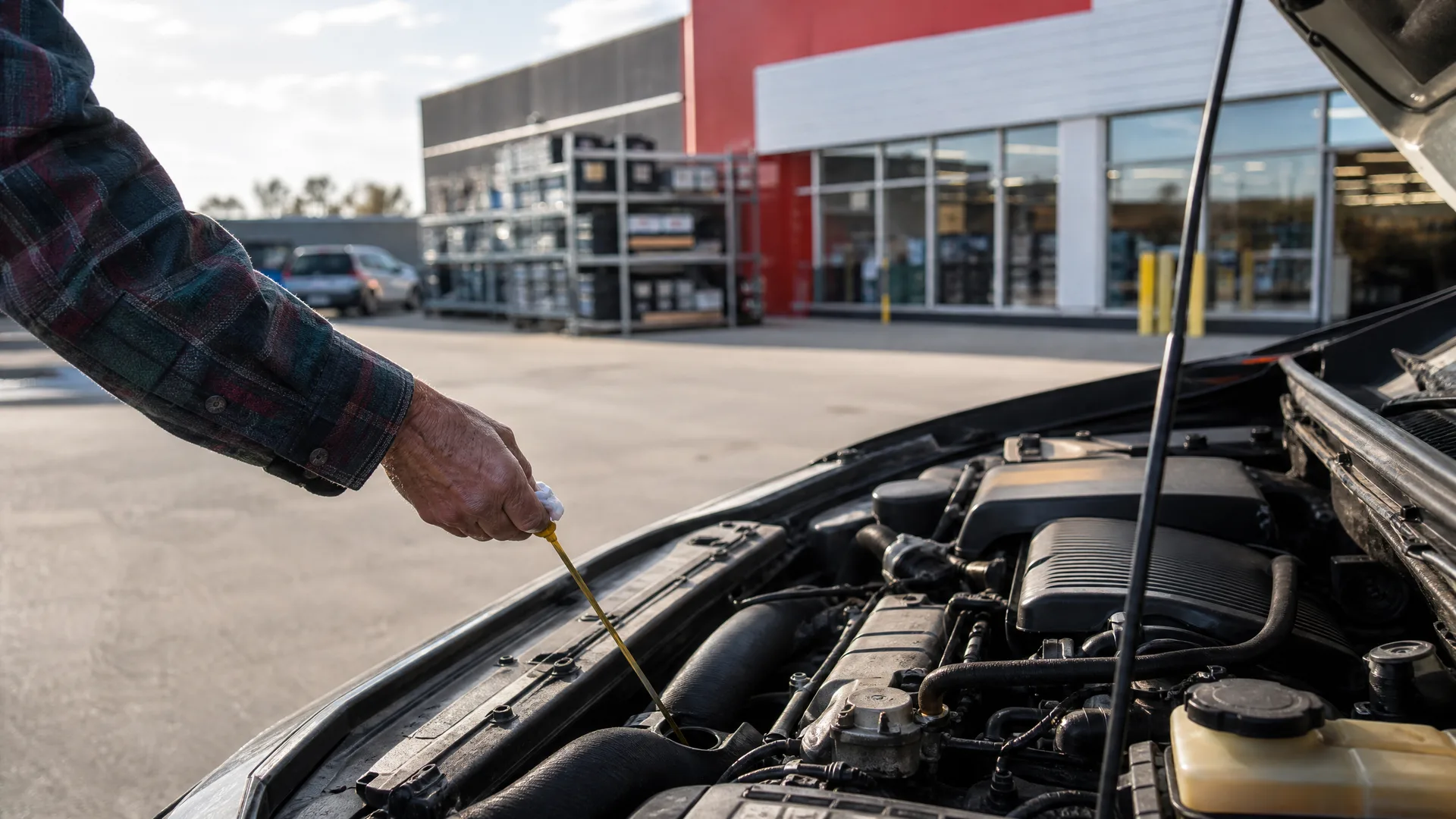
Start by confirming with your insurer whether your car qualifies as a classic under their rules, since this varies by company. Have your license, your driving record, and an estimate of how many miles you drive each year ready when you call. If you've completed a defensive driving course, keep the certificate on hand to send in. Gather a couple of quotes so you can compare how each insurer treats your age, your car, and how you use it. If you're helping a parent, make sure the policy is set up in their name as the owner and primary insured.