Classic Car Insurance for Seniors in Illinois
Seniors in Illinois can usually get classic car insurance, and age tends to help rather than hurt the application.
Yes, seniors in Illinois can get classic car insurance
Insurers who write classic car policies aren't worried about your age the way a standard auto policy might be. They're underwriting the car and how you use it. A senior with a clean record and a garaged, low-mileage classic is often an easier approval than a younger driver with the same car.
What decides it isn't your birthday. It's whether the car qualifies as a classic under that insurer's definition, whether you have a regular daily driver insured separately, and whether you can agree to drive it the limited way these policies expect. Illinois doesn't set special rules for senior drivers on this. The insurer does.
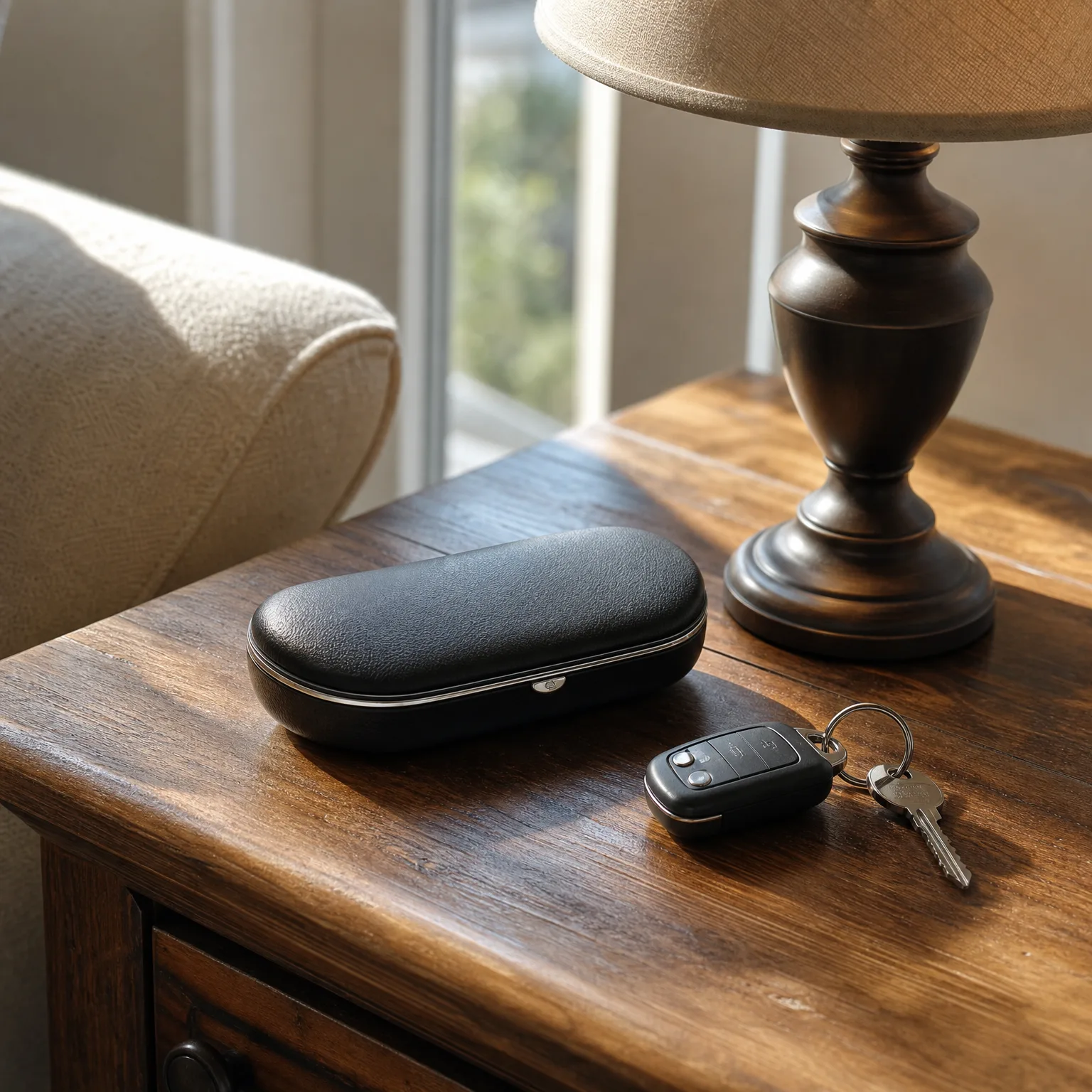
Whether the car and your driving fit the policy
Classic car insurers want a car that's kept as a second vehicle, not a daily driver. They'll ask how many miles a year you expect to put on it and where it's stored. A classic sitting in a heated garage and driven to shows and on weekends fits what these policies are built for.
You'll usually need a regular auto policy on another car for everyday use. If the classic is your only vehicle, some insurers won't write it this way at all, or they'll ask more questions about how you actually use it.
Age works in your favor here more often than not. A long driving record with no recent claims is exactly what these insurers want to see, and seniors often have that history built up. If your record has a recent claim or a lapse, expect the insurer to ask about it directly.
The car's condition and value matter too. Most classic policies use an agreed value, set when you buy the policy, rather than the car's depreciated worth. Have a recent appraisal or clear documentation of the car's condition ready when you apply.
What your regular license and health affect
A classic car policy doesn't usually come with different license requirements than your standard policy. If Illinois asks you to renew your license more often past a certain age, or requires a vision test at renewal, that applies to your driving overall, not to this one car.
Where it can matter is if your license has restrictions, like daytime-only driving or corrective lenses required. Tell the insurer about any restriction on your license. Leaving it off an application and having it surface later is the kind of thing that causes a claim to be questioned.
Some insurers ask older applicants for a bit more detail about health conditions that could affect driving, especially if the standard policy on your daily driver already reflects that. It's worth asking the agent directly whether anything on your regular policy will carry over to how they look at the classic car application.
Questions people ask about this
What qualifies a car as a classic for insurance in Illinois?
It depends on the insurer, not a single Illinois rule. Most classic car insurers set their own minimum age for the vehicle and want it kept in original or carefully restored condition. Ask the specific insurer what year and condition threshold they use before assuming your car qualifies.
Do I need a separate daily driver to get classic car insurance?
Most classic car insurers expect you to have another vehicle insured for regular use. If the classic would be your only car, say so upfront. Some insurers have a separate program for that situation and others simply won't offer the classic policy.
Will my classic car insurance go up if I have a claim on my regular policy?
That depends on the insurer and whether the two policies are rated together. Some companies treat them as entirely separate risks. Ask directly whether a claim on your daily driver policy would affect pricing or renewal on the classic car policy.
Can I drive my classic car insurance year round in Illinois?
That depends on the policy you choose, not on your age or on Illinois law. Some classic car policies restrict coverage to certain months or require the car to be stored during winter. Ask whether the policy offers year round coverage or seasonal coverage before you buy.
What happens to my classic car insurance if I can no longer drive it myself?
This depends on the policy's terms about who is allowed to drive the car. Many classic policies list specific drivers by name. If someone else, like a family member, would need to drive the car, ask the insurer whether that person needs to be added to the policy.
See what classic car insurers in Illinois would charge for your car before you commit to one.
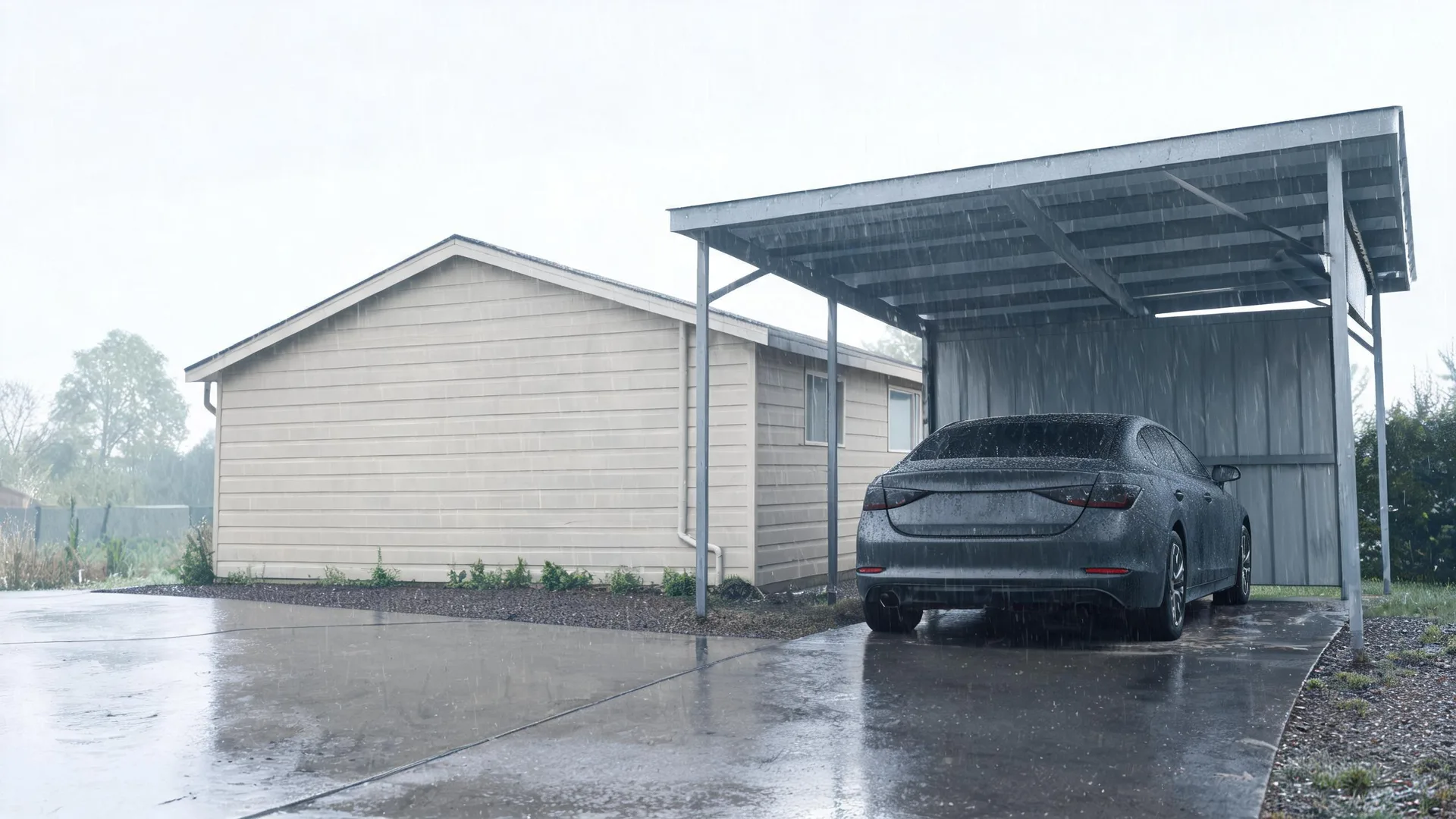
Pull together what a classic car insurer will ask for: the car's year, make and model, a recent photo or appraisal, your estimated annual mileage, and where it's stored. Have your current auto policy information on hand too, since most insurers will ask about your daily driver. Call your current insurer first and ask if they write classic car policies and how they define a qualifying classic. Then get a couple of other quotes to compare, since agreed value and mileage limits vary by company. Mention any license restrictions or recent claims upfront rather than letting them surface later.