Classic Car Insurance for Seniors in Ohio
Most Ohio insurers welcome older drivers for classic car coverage, since low mileage and careful driving are exactly what this policy is built around.
Yes, and age usually works in your favor here
Classic car insurance is available to senior drivers in Ohio, and in a lot of ways this is one corner of the insurance market where being an older, experienced driver helps rather than hurts. Insurers who write these policies are looking for someone who treats the car carefully, drives it rarely, and stores it properly. That description fits a lot of senior drivers already.
What matters more than your age is the car and how you use it. The insurer will ask about the vehicle's age and condition, where it's kept, how many miles you expect to put on it each year, and whether you have another car for everyday driving. Answer those honestly and your age is rarely the sticking point.
How you use the car decides more than how old you are
Classic car policies assume limited use. That usually means the car isn't your only vehicle, isn't driven to work, and isn't put through daily errands. If a classic car is your main form of transportation, some insurers will say it doesn't qualify for this kind of policy at all, regardless of your age or driving record.
This is worth checking before you apply, not after. Ask the insurer directly what mileage limit applies and what counts as acceptable use. If you drive the car to shows, on weekend trips, or just around town occasionally, say so plainly. If your answer doesn't match what they expect, ask what policy they'd recommend instead.
Where you store the car also comes up. A garage or other secure storage tends to count in your favor, since it lowers the chance of weather damage or theft. If you park on the street, tell the insurer that upfront rather than letting it surface later.
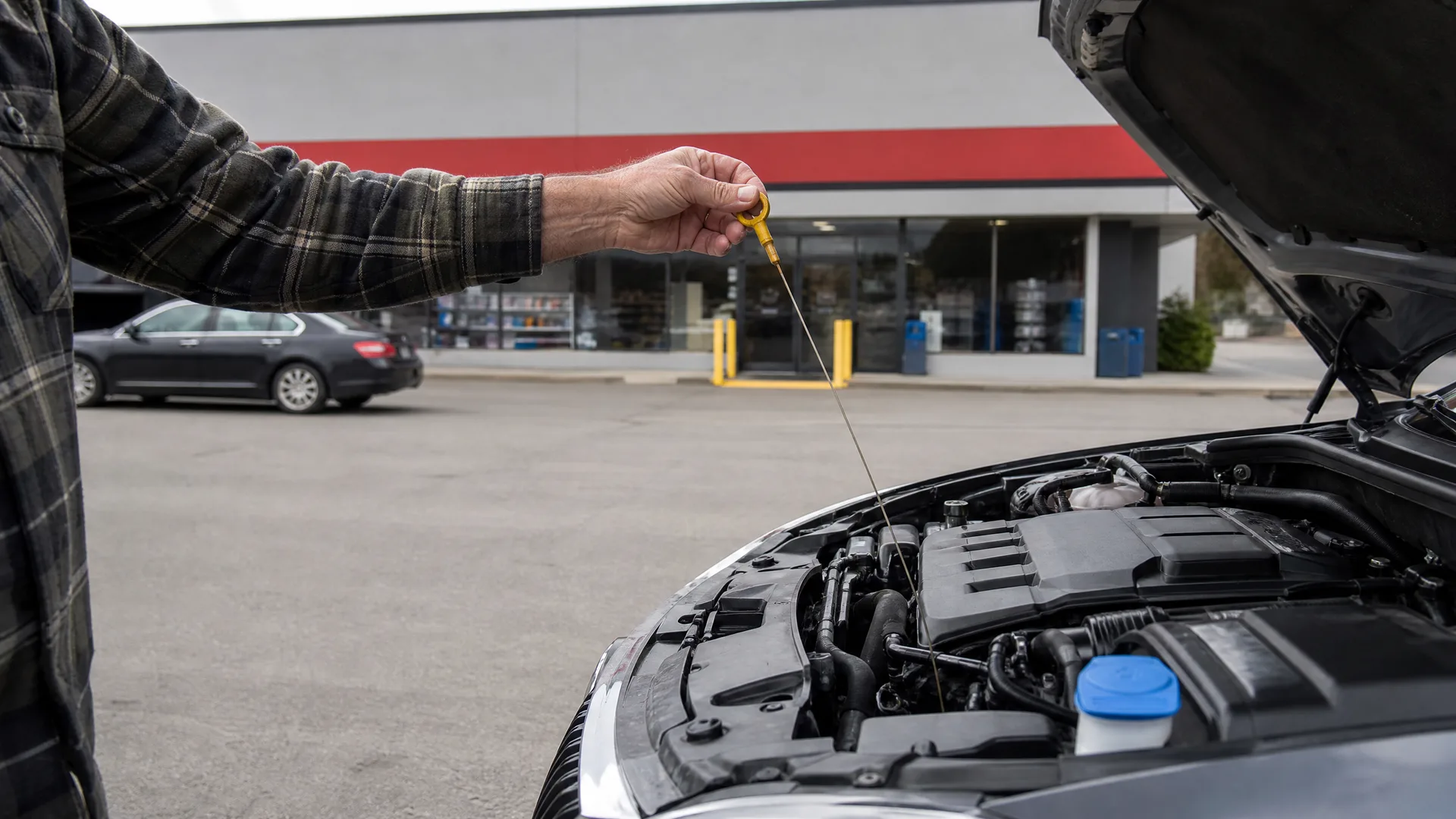
Your regular driving record still counts
A classic car policy doesn't erase your driving history. Insurers still look at your license status and any recent violations or claims on your regular vehicle. A clean record helps here the same way it would with any other policy.
If you've had your license restricted or your vision test has flagged something at the BMV, mention it when you apply. It may not affect a classic car policy the way it would a daily driver policy, but the insurer needs accurate information to quote you correctly, and leaving it out can cause problems later if you ever file a claim.
It also helps to have a clear idea of the car's agreed value before you call. Classic car insurers typically insure the vehicle for a set amount you agree on, not its depreciated market value. Having photos, an appraisal, or paperwork on upgrades ready will make the conversation faster and the quote more accurate.
Questions people ask about this
Can I still get regular car insurance if I also insure a classic car in Ohio?
Yes, most people carry a standard policy for their everyday car and a separate classic car policy for the collector vehicle. Insurers usually want to see that you have another car for daily use, since that's part of what qualifies a vehicle as a limited-use classic.
Does Ohio require a special license or registration for a classic car?
Ohio has its own rules for historic or classic vehicle registration, separate from insurance requirements. Check with the Ohio BMV directly to see whether your car qualifies for historic plates and what that changes about how you can drive it.
Will my classic car insurance go up if I renew my license late or need a vision retest?
This depends on the insurer, not on a fixed rule. A late renewal or a flagged vision test could affect how an insurer views your overall risk, so it's worth asking your agent directly how that kind of change on your record is handled.
What happens to my classic car policy if I stop driving altogether?
Contact your insurer before you stop driving rather than letting the policy lapse. Depending on how the car is used going forward, you may be able to switch to a storage-only policy that covers the car while it's parked, which usually costs less than full coverage.
Can I pass my classic car insurance policy to a family member if I give them the car?
This depends on your insurer and the specifics of your policy. Ask them directly what happens if you transfer ownership, since the new driver will likely need to qualify for the policy on their own, including meeting any mileage and storage conditions.
See what classic car coverage looks like for your situation before you commit to one insurer.
Start by writing down how the car is actually used now: how many miles a year, where it's stored, and whether it's your only vehicle or a second car. Have the car's estimated value and any paperwork on its condition or upgrades on hand. Call your current insurer first to ask whether they offer classic car coverage and how it would interact with your existing policy. Then compare what a specialist classic car insurer offers, since some only write these policies and may have more flexible mileage or usage rules. Ask each one directly how your age and driving record factor into the quote, rather than assuming.