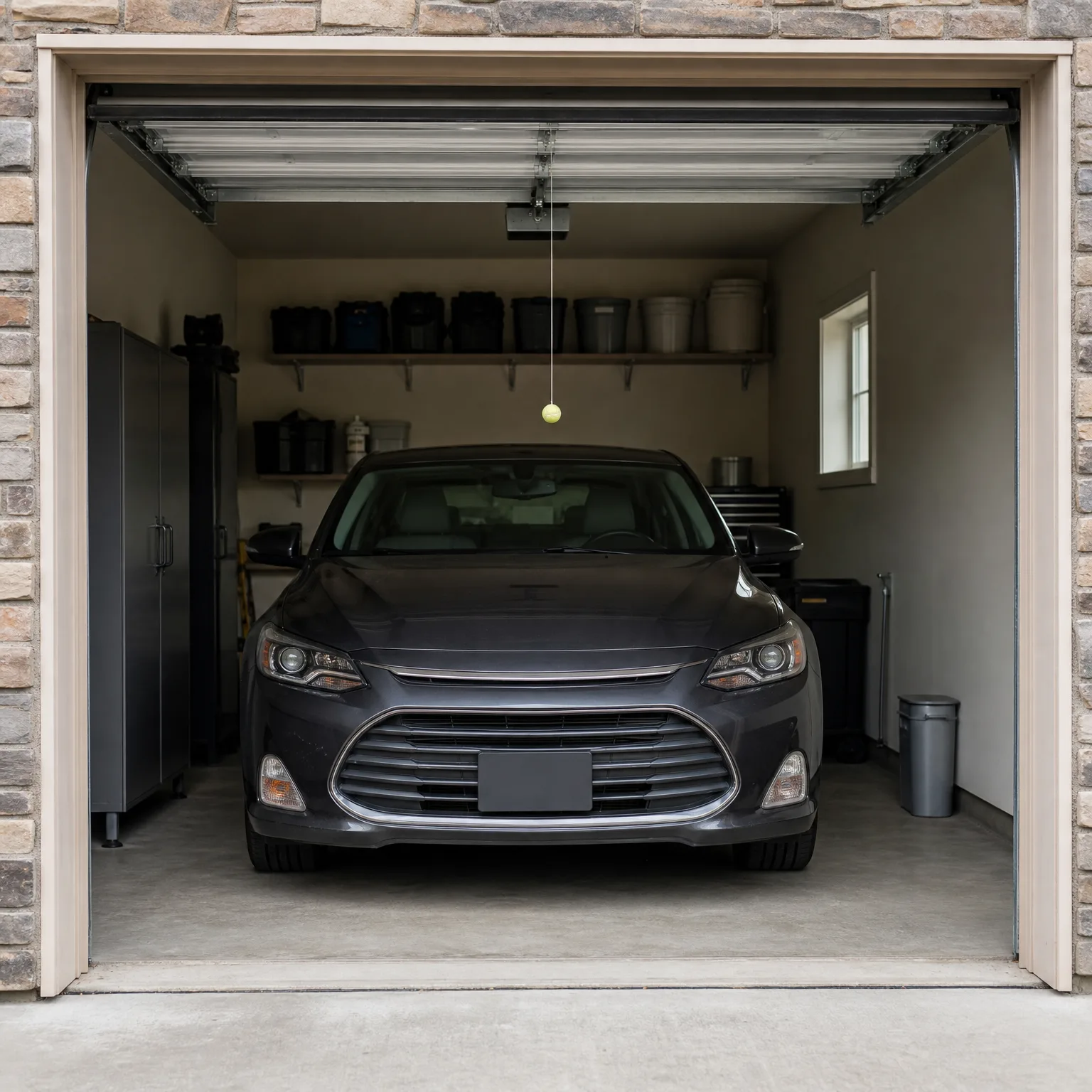
Are Classic Cars Considered Collectibles for Tax Purposes
The IRS can treat a classic car as a collectible when you sell it for a gain, but how it's taxed depends on how you use the car and what records you keep.
It depends on how the car is used, not just its age
A car can be old enough to qualify as a classic and still not be taxed as a collectible. The IRS looks at how you use the car. A car you drive, show, or keep as a hobby is treated differently than one you hold purely as an investment, and the tax treatment changes again if you sell it for a profit.
This matters most at the point of sale. If you sell a classic car for more than you paid for it, that gain may be taxed at the collectibles rate rather than the regular capital gains rate. If you sell it for a loss, or you never sell it, the collectible question mostly doesn't come up. Your tax preparer or a CPA familiar with collectible property is the right person to ask about your specific situation.

How you use the car changes how it's taxed
A classic car you drive regularly, insure as a daily vehicle, or use for errands is generally treated like any other personal vehicle for tax purposes. The collectible question usually only comes up when the car is kept as an investment or a hobby piece, stored, shown, or bought and sold with an eye toward appreciation.
Insurers draw a similar line. A classic or collector car policy usually requires limited mileage, secure storage, and sometimes an appraisal, because the insurer is pricing the car as a collectible asset rather than daily transportation. If your car is insured that way, it's worth asking your tax preparer whether that same classification carries over to how a sale would be taxed.
Keeping records of how the car was actually used, mileage logs, show entries, storage receipts, gives your tax preparer something concrete to work from instead of guessing at the car's status after the fact.
If you're unsure whether your car's insurance classification matches how the IRS would view it, that's a conversation for your insurer and your tax preparer separately. They're answering different questions even when the car is the same.

What people get wrong about the sale
The most common mistake is assuming the tax treatment is fixed by the car's age or make. It isn't. A thirty year old sedan and a numbers-matching muscle car can be taxed very differently depending on purchase price, what was spent on restoration, and what it sold for.
Another common error is forgetting that restoration costs can affect the basis used to calculate gain. Receipts for parts, labor, and major work matter at tax time, not just at resale. Without them, you may end up reporting a larger taxable gain than you actually had.
People also assume a loss on a classic car can be deducted the way a loss on stocks can. Personal-use property, including most classic cars, generally doesn't work that way. Whether your car counts as personal-use or investment property is exactly the kind of question to bring to a CPA before you sell, not after.
Questions people ask about this
Does owning a classic car affect my regular car insurance?
It can, if the classic car is on the same policy as your daily driver. Most classic car owners use a separate collector car policy instead, since insurers price classic cars differently based on mileage and storage. Ask your insurer how they'd prefer to handle a classic car you also drive occasionally.
What counts as a classic car for insurance purposes?
This is set by each insurer, not by a single national standard. Insurers typically look at the car's age, condition, and how it's used rather than just the make or model. Check with the insurer directly to see what qualifies for a collector or classic car policy.
Do I need an appraisal to insure a classic car?
Many collector car policies ask for one, since the payout is often based on an agreed value rather than market value at the time of a claim. Ask your insurer whether they require an appraisal and how often it needs to be updated.
Can I drive my classic car every day and still insure it as a collectible?
Usually not. Collector car policies generally require limited use, such as shows, club events, or occasional pleasure driving, and daily use can affect your coverage. If you plan to drive the car regularly, ask your insurer whether a standard policy is a better fit.
Does restoring a classic car change my insurance costs?
It can, since the car's value and what it would cost to replace parts or labor may change after restoration. Let your insurer know about significant restoration work so your coverage reflects the car's current value rather than what it was worth before.
If you're insuring a classic car, it helps to see how collector policies compare before you decide how to cover it.
Pull together what you have on the car this week: the original purchase price, any restoration receipts, and records of how you've used it, mileage, storage, shows. Call your tax preparer or a CPA and ask directly whether a sale would be taxed as a collectible gain in your situation, since this depends on your facts and not just the car's age. Separately, check with your insurer about whether the car qualifies for a collector policy and what they require, such as an appraisal or mileage limits. Keep the tax question and the insurance question separate, since they're decided by different rules and different people.