Are Classic Cars Considered Assets
A classic car is an asset, and the right insurance policy is what makes that value count when something goes wrong.
Yes, a classic car is an asset
A classic car is a thing you own that has value, and that makes it an asset the same way a house or a stock portfolio is. For some owners it's also an investment, something bought with the expectation it will hold or gain value over time.
What changes the picture is how it's insured. A standard auto policy pays out based on depreciated market value, the way it would for an ordinary used car. An agreed value policy, the kind most classic car insurers offer, sets the payout amount in advance and treats the car closer to how you'd treat any other valuable asset.

How the car is insured decides what the asset is worth on paper
If the car sits on a regular auto policy, its insured value is tied to depreciation tables and comparable sales, the same method used for a daily driver. That number can come in well under what the car would actually sell for at auction or to a collector.
An agreed value policy fixes the payout at a number you and the insurer agree on when the policy is written, usually based on an appraisal. That number doesn't drop over time the way standard depreciation would, so the car's value on the policy matches its value as an asset.
Getting an appraisal done and keeping it current matters here. If the car's value has gone up since the policy was written, the agreed value should be updated too, or the policy is insuring the car for less than it's worth.
Worth checking with the insurer directly is whether they offer agreed value coverage at all, and whether there are conditions on it, like limits on annual mileage or how the car is stored.

How the car is used and kept affects whether it counts as an asset at all
Insurers who offer classic car coverage usually ask about mileage, storage, and use. A car driven daily, left outside, or used for regular errands looks more like ordinary transportation than a preserved asset, and that can affect what coverage is available.
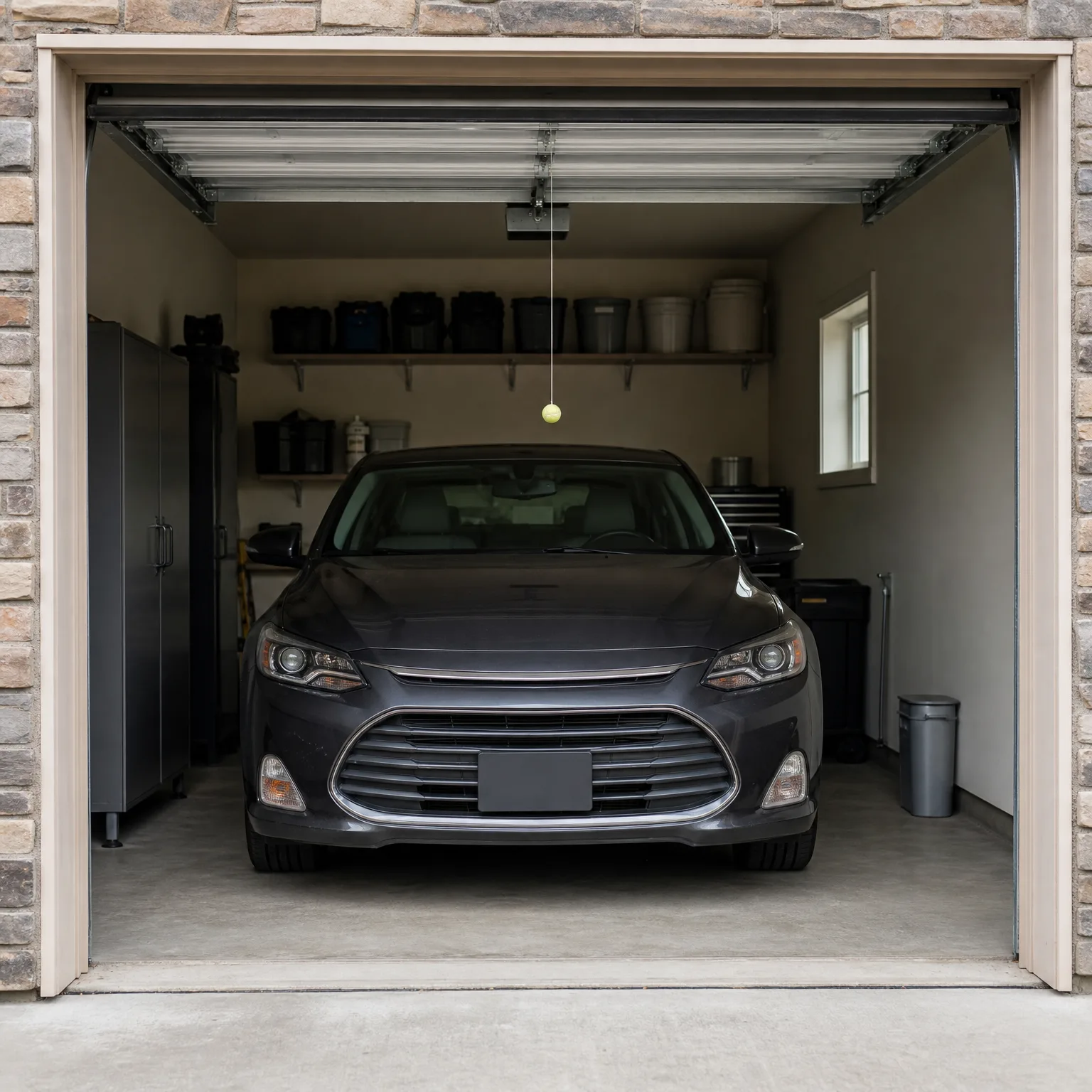
A car kept in a garage, driven occasionally, and maintained in original or restored condition fits the profile insurers expect for an asset worth protecting at its full value.
This also matters for the owner's own records. Documentation, maintenance history, and photos help support the car's value if a claim or a sale ever comes up, separate from whatever the insurance policy says.
Questions people ask about this
Do I need to report a classic car as an asset on my taxes?
That depends on what you do with the car and your tax situation, and it's a question for a tax professional, not an insurance policy. Insurance and taxes treat ownership differently, so having one kind of coverage doesn't answer the tax question.
Can I insure a classic car for more than it's worth?
Insurers set the agreed value based on an appraisal, not on what the owner wants to claim. If you believe the car is worth more than the current agreed value, the way to address that is a new appraisal, not a request to raise the number on its own.
Does classic car insurance cover theft the same way as regular auto insurance?
Comprehensive coverage for theft is available on both standard and classic car policies, but the payout works differently. On an agreed value policy, a stolen car that isn't recovered pays out at the agreed amount, not a depreciated estimate.
What happens to classic car insurance if I stop driving the car regularly?
Some classic car policies are built around limited use and may need to be adjusted, or may not apply, if the car becomes a daily driver. Ask the insurer what counts as acceptable use under the policy before assuming it still applies.
Can I pass a classic car's insurance policy to someone I leave it to?
Insurance policies don't transfer to a new owner automatically, even within a family. Whoever inherits the car will need to get their own policy, and the agreed value question starts over with a new appraisal.
See what agreed value coverage would look like for your classic car before you decide how to insure it.
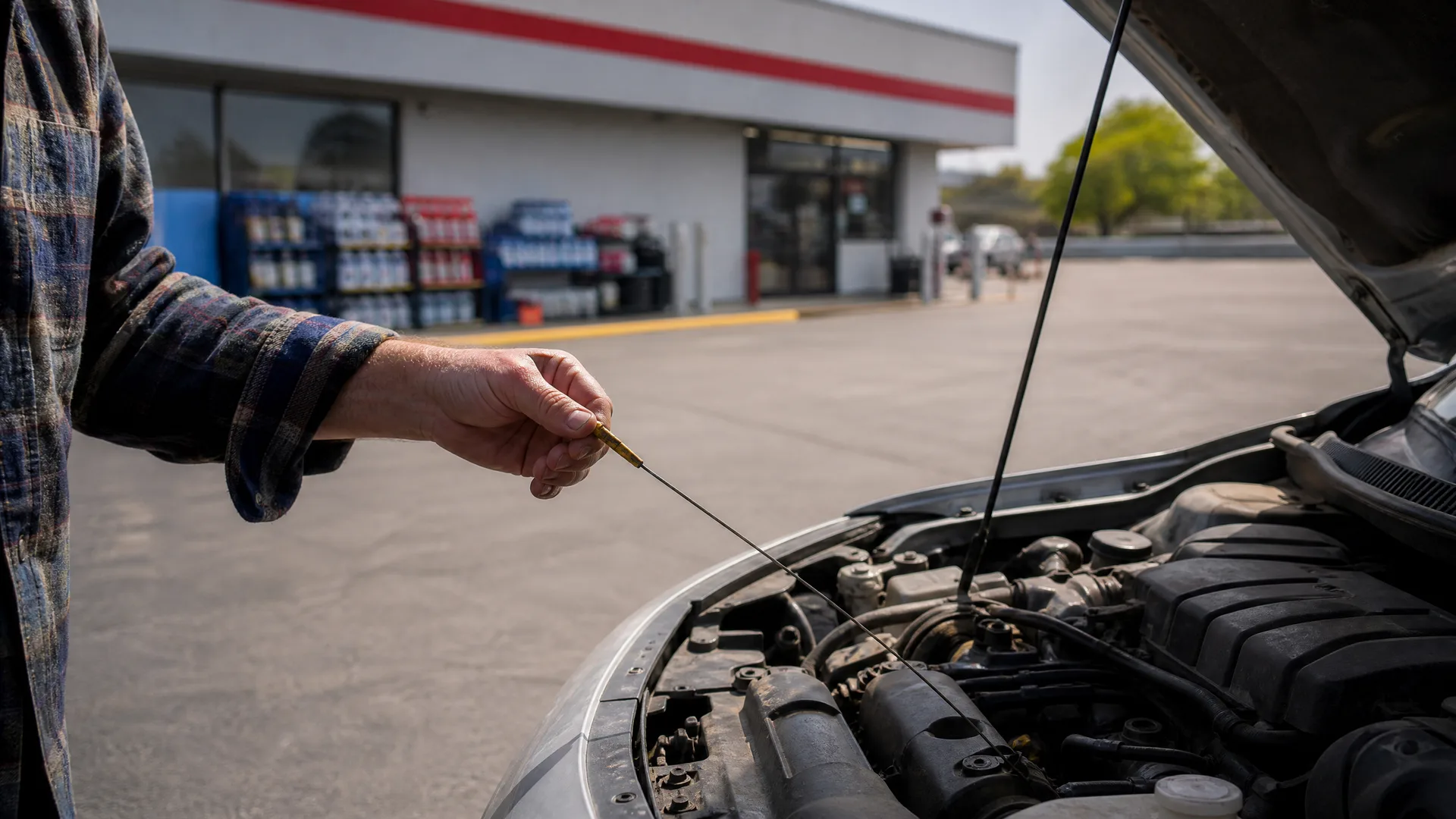
Get a written appraisal if you don't already have a current one, since that number is what an agreed value policy will be based on. Pull together whatever records you have on the car's condition, restoration work, and mileage. When you talk to an insurer, ask directly whether they offer agreed value coverage and what use and storage conditions it requires. Compare that against what a standard auto policy would pay out for the same car. If the car's value has changed since you last insured it, this is the week to update the figure rather than find out later that it was wrong.