Classic Car Insurance for Seniors in Arizona
Seniors in Arizona can usually get classic car insurance, and age alone doesn't stand in the way of it.
Yes, age is not the obstacle here
Classic car insurance in Arizona isn't restricted by the driver's age. Insurers that write these policies care more about the car and how it's used than about whether the driver is 65 or 85. A clean driving record helps, and most classic car insurers will ask about that.
What actually decides whether you qualify is the car itself. It usually needs to be a certain age, kept in good condition, and driven on a limited basis rather than as a daily vehicle. The insurer will want to know how it's stored and how many miles go on it each year.
How you use the car changes everything
Classic car policies assume the car is a second or third vehicle, not daily transportation. If you're still driving it to the grocery store or to appointments regularly, some insurers will say it doesn't qualify for a classic policy and needs a standard one instead.
This matters more for seniors because giving up a daily driver sometimes means leaning on the classic car more than before. If that's happened, it's worth telling the insurer honestly. They may still cover it, but under different terms, and it's better to find that out now than after a claim.
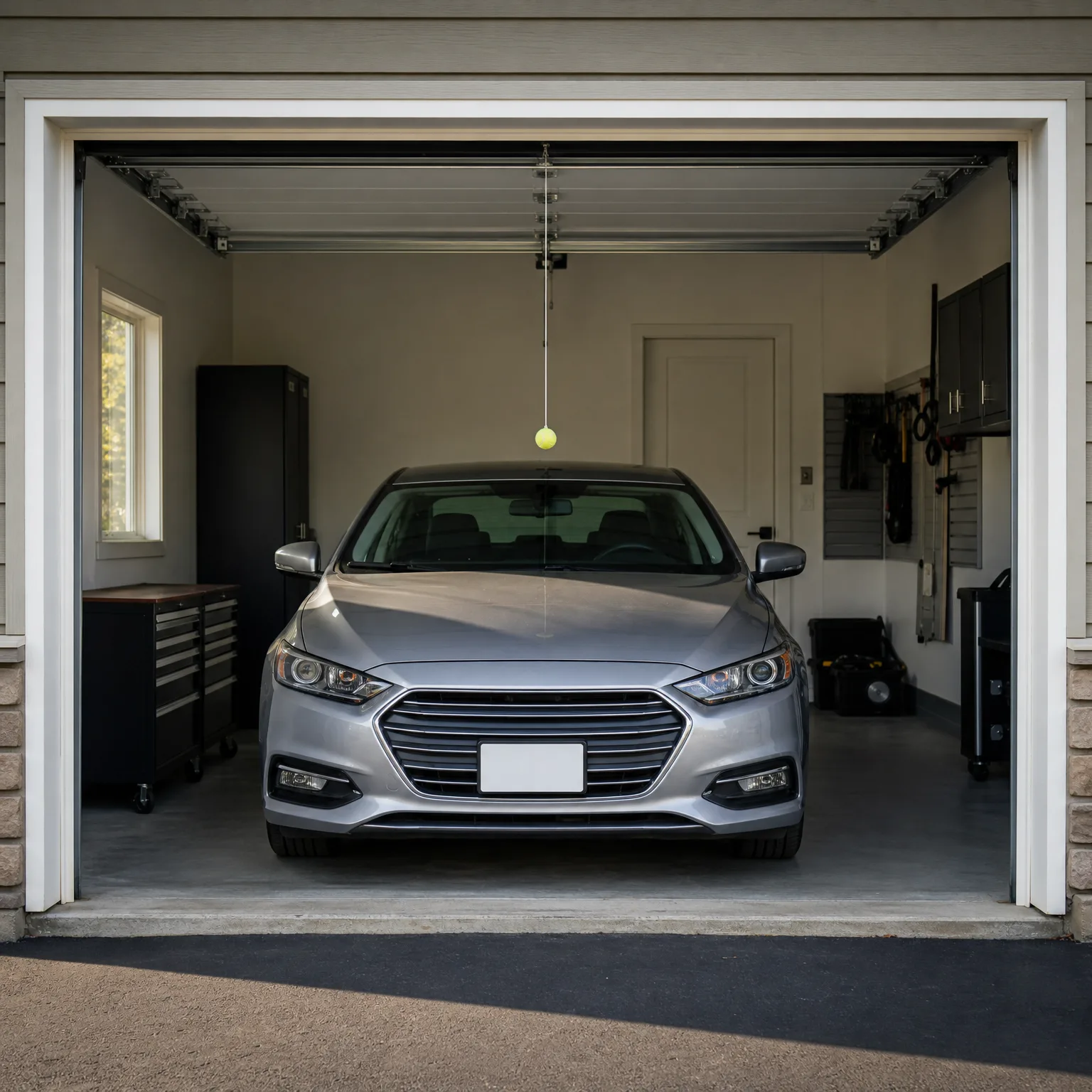
Where you keep the car matters too. A garage or other secure storage is usually part of what insurers expect for this type of policy. If the car sits in a driveway or on the street, ask directly whether that affects eligibility or the terms offered.
What most people get wrong about mileage limits
Classic car policies almost always come with a mileage limit built in. People assume this is a formality, then find out at renewal that they went over it without tracking it.
If you've cut back on other driving, it's easy to put more miles on the classic car without noticing. Check what limit your policy sets and keep a rough count over the year. Going over it isn't always a simple fix. Some insurers will adjust the policy, others may question a claim if the mileage doesn't match what was agreed.
It's worth asking your insurer what happens if you're close to the limit before it becomes a problem, not after.
Questions people ask about this
Does a classic car insurance policy cost less than regular car insurance?
It depends on the car and how it's insured, but classic car policies are often priced differently because the car is driven less and valued differently than a daily vehicle. Ask any insurer you're considering how they set the value, since that affects both the cost and what you'd be paid if the car were totaled.
Can I still drive my classic car every day if I'm retired and have more free time?
You can, but it may take the car out of classic car insurance eligibility. If you expect to drive it often now that you're retired, say so when you get quotes, since the insurer can tell you whether it still qualifies as a limited-use vehicle or needs standard coverage instead.
Do I need an agreed value appraisal for a classic car policy?
Many classic car insurers require one, since the policy usually pays out based on an agreed value rather than the market value at the time of a claim. Ask the insurer what documentation they need and whether the appraisal has to be updated periodically.
What happens to my classic car insurance if I stop driving altogether?
This depends on the insurer and the specific policy terms, so ask directly what options exist if the car will sit unused. Some policies have a storage-only option that keeps the car covered for theft or damage without active driving coverage.
Will a defensive driving course lower my classic car insurance rate in Arizona?
It depends on the insurer, since not all classic car policies factor in course discounts the way standard auto policies do. If you take a course, ask your insurer directly whether it applies and what they need from you to apply it.
See what classic car coverage looks like from a few different insurers before you commit to one.

Start by getting an agreed value appraisal if you don't already have one, since most classic car insurers will ask for it. Write down your actual annual mileage on the car, not an estimate, and know where and how it's stored. Call your current insurer first to ask whether they offer a classic car policy and how it compares to what you have now. Then get a few other quotes so you can see how mileage limits, storage requirements, and agreed value terms differ between insurers. Bring your driving record and the course certificate, if you have one, to each conversation.