Classic Car Insurance for Seniors in Texas
Texas seniors can usually get classic car coverage for less than a standard policy, as long as the car is kept as a collector vehicle and not driven every day.
Yes, and age often works in your favor here
Classic car insurance is open to senior drivers in Texas, and insurers who write these policies tend to view older, experienced drivers favorably. The coverage is built around how the car is used, not how old the driver is.
What it depends on is the car and your driving habits, not your birthday. The insurer will want to know the car's age, its value, how it's stored, and how many miles you put on it each year. A clean driving record helps, but it's not the main thing being underwritten here.
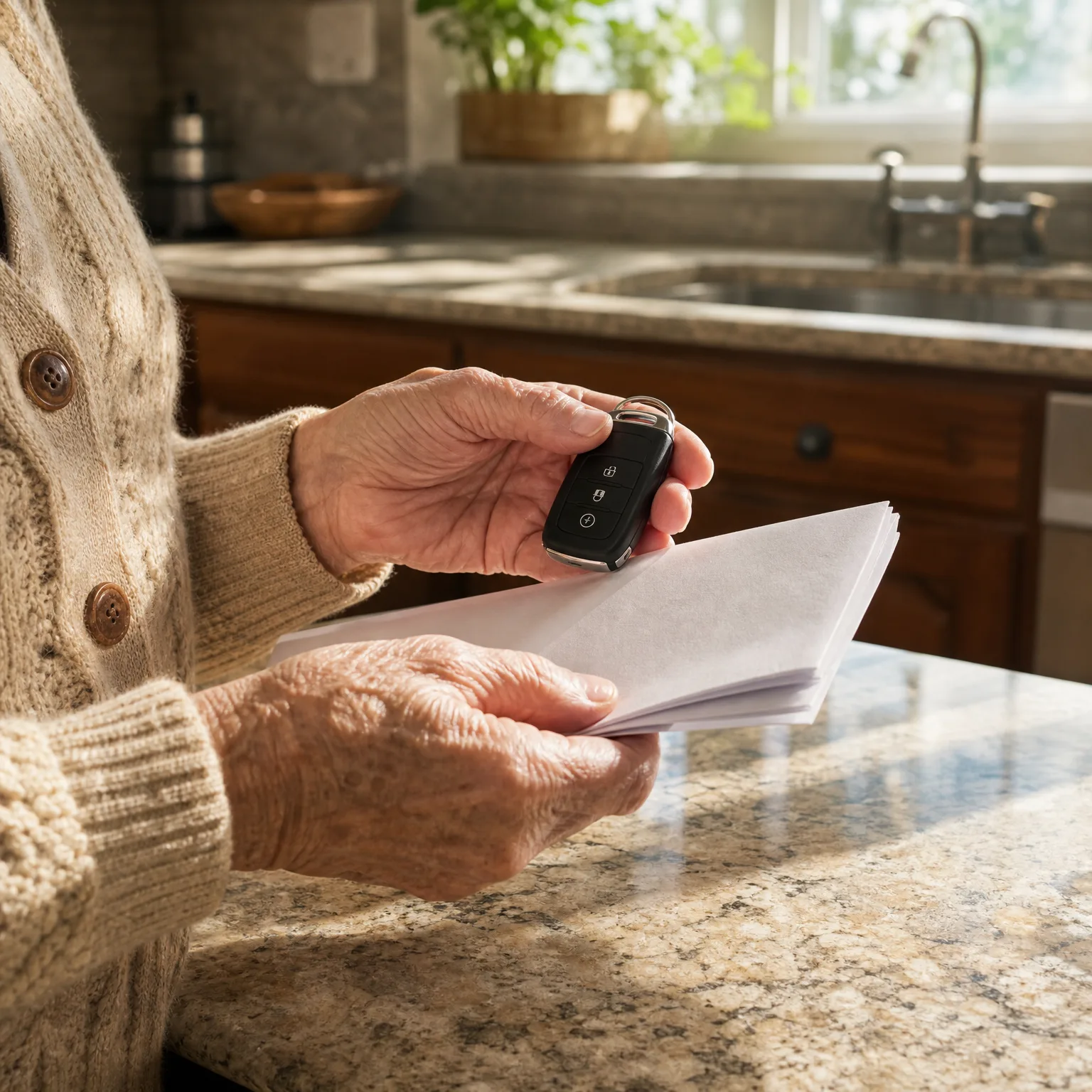
How the car is used matters more than how old you are
Classic car policies assume the vehicle is a second car, not daily transportation. Insurers typically ask about annual mileage and want the car garaged rather than parked on the street.
If you still drive the classic car regularly, some insurers won't offer this type of policy at all, and others will but at a higher rate than you'd expect. Tell the insurer honestly how you use the car. If you take it to shows, drive it on weekends, or only start it up a few times a month, say that.
Some insurers also ask that you carry regular insurance on another vehicle for everyday driving. If the classic car is your only car, ask upfront whether that changes what they'll offer.
What Texas requires versus what the insurer requires
Texas sets the minimum liability coverage every driver on the road must carry, classic car or not. A classic car policy still has to meet that minimum, even though the rest of the policy is built differently around the car's value.
Beyond that minimum, each insurer sets its own rules for what counts as a classic or collector car. Some use the car's age, some use a list of eligible makes and models, and some leave it to an appraisal. There's no single statewide definition, so ask the insurer directly how they classify your car.
If your car doesn't meet one insurer's definition of classic, it may meet another's. It's worth checking with more than one before assuming the car doesn't qualify.
Questions people ask about this
Do I need an agreed value appraisal for a classic car policy?
Most classic car insurers ask for one, since the payout in a total loss is based on an agreed value rather than market value. Ask the insurer who they accept appraisals from and whether they require a new one periodically.
Can I still drive my classic car to the grocery store?
Usually yes, within limits the insurer sets. Most policies allow occasional use but cap annual mileage, so check what counts as occasional before you rely on the car for errands.
Will my classic car insurance go up if I get a ticket?
It depends on the insurer and how they weigh your driving record against the car's low mileage and storage. Ask directly how a ticket or claim would affect this specific policy, since classic car insurers don't all handle it the same way.
Can I insure more than one classic car under the same policy?
Many insurers that offer classic car coverage will write multiple collector vehicles together, sometimes at a lower combined rate. Ask whether each car needs its own appraisal and mileage limit.
What happens to my classic car policy if I stop driving altogether?
Some insurers offer a reduced storage-only policy if the car isn't driven at all, which covers things like fire or theft without the driving-related coverage. Ask your insurer whether this option exists and how it affects the agreed value if you ever want to drive the car again.
See what classic car coverage looks like for your situation before you commit to one insurer's definition of classic.
Find your car's title, any past appraisals, and your current mileage habits before you call around. Ask each insurer how they define a classic or collector vehicle, since the rules differ from one company to the next. Ask specifically whether your car qualifies and what proof they need, such as photos or a professional appraisal. Mention how often you drive it and where it's stored, since both affect the offer. If you already carry a regular auto policy, ask whether bundling the classic car with the same insurer changes the price. Compare at least two or three quotes, since classic car underwriting varies more between companies than standard auto insurance does.