What Is a Benefit of Using Agreed Value
It guarantees the payout on a total loss instead of leaving the amount to be decided after the fact.
It locks in what your car is worth before anything happens to it
The main benefit is certainty. You and the insurer agree on your car's value when you buy the policy, and that's the amount you get paid if the car is totaled or stolen. There's no argument afterward about mileage, condition, or what similar cars sold for that week.
This matters most for a car that an insurer would otherwise value using actual cash value, which factors in depreciation. A classic, collector, or custom car often doesn't follow normal depreciation, so an adjuster's idea of its worth after a loss can fall well short of what the car is actually worth to you. Agreed value settles that question in advance.
What kind of car you drive decides whether this matters
Agreed value is built for cars that don't depreciate the way ordinary vehicles do. A classic car, a restored car, or a low mileage collector car can hold its value or gain value over time. Standard insurance doesn't account for that. It assumes the car is worth less every year.
If you drive a daily car that loses value the normal way, agreed value usually isn't offered and wouldn't help much if it were. The gap between what an adjuster says it's worth and what you believe it's worth is small enough that it's not worth paying for.
If your car fits the collector or classic category, ask your insurer directly whether they offer agreed value for it, since not every insurer covers every type of car this way.
How the value gets set and kept current is on you
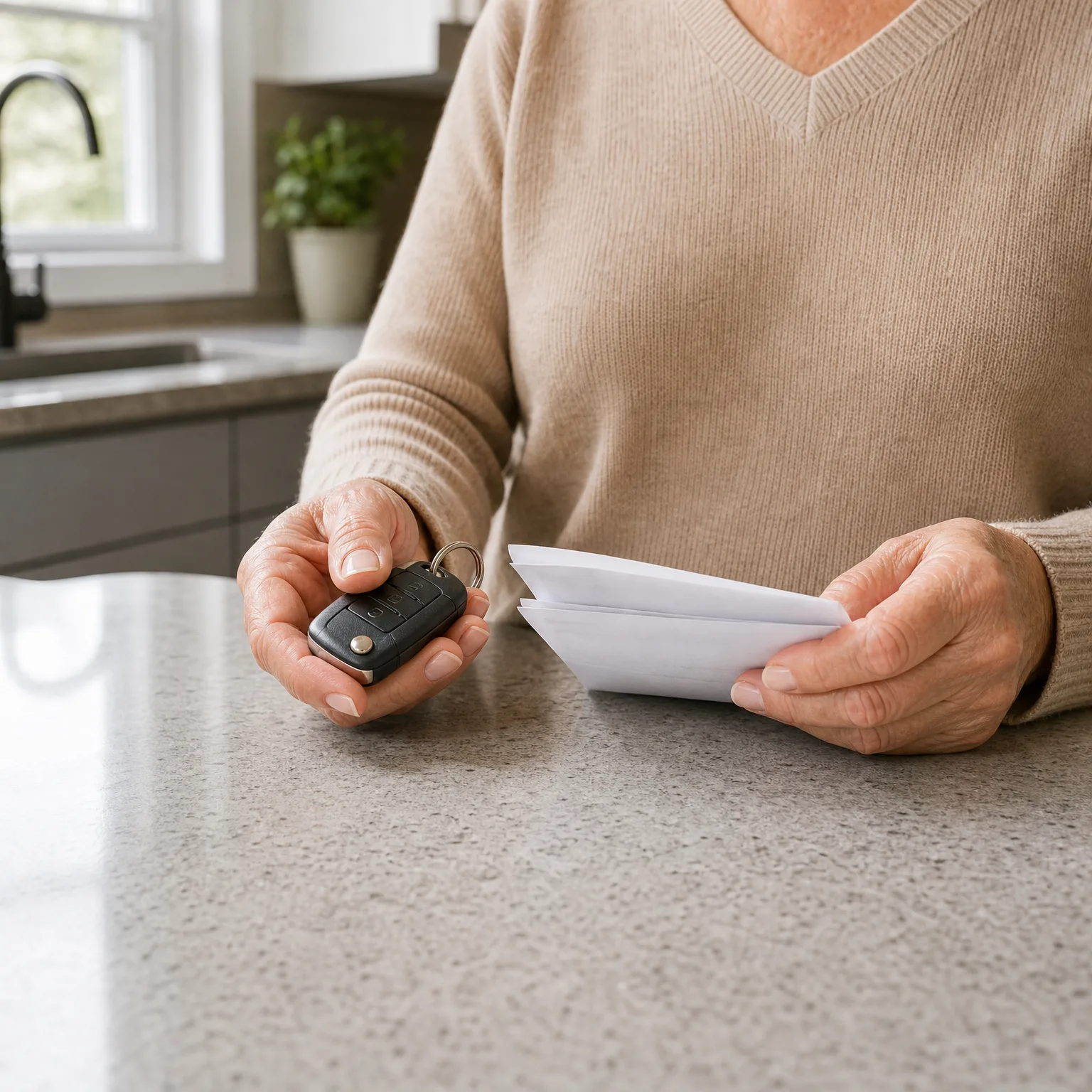
An agreed value isn't something the insurer assigns on its own. You typically need to provide documentation, an appraisal, photos, records of restoration work, to support the number you're asking them to agree to. If you don't do this, you don't get the benefit.
That value also doesn't update itself. If your car appreciates further after the policy is written, the agreed amount stays where it was set until you ask the insurer to revisit it. Check your policy or ask your agent how often the value can be reviewed and what you need to send them to request a change.
What most people get wrong is assuming agreed value protects against any loss. It settles the payout amount on a total loss. It doesn't change your coverage for repairs after an accident that doesn't total the car.
Questions people ask about this
Is agreed value the same as stated value coverage?
No, they work differently even though they sound similar. With stated value, the insurer can still pay less than the amount you stated if they determine the car was worth less at the time of loss. With agreed value, the amount is fixed and isn't reopened for argument. Ask your insurer which one they're actually offering before you assume.
Do I need an appraisal to get agreed value coverage?
Most insurers ask for some form of documentation to support the value you want agreed to, which often means a professional appraisal. Some will accept detailed photos and records of restoration or maintenance instead. Ask your insurer directly what they require before applying, since this varies by company.
Can I get agreed value coverage on a regular car that isn't a classic?
Usually not, because most insurers reserve agreed value for classic, collector, or specialty vehicles. A standard car is typically covered under actual cash value instead. If you're not sure how your car would be classified, ask your insurer how they categorize it.
What happens if my car's value changes after I set the agreed value?
The agreed value stays fixed until you ask your insurer to review it, it doesn't adjust automatically with the market. If your car has appreciated through restoration or rising collector interest, you can ask your insurer to reassess and raise the agreed value, usually with updated documentation.
Does agreed value cost more than regular coverage?
It depends on the insurer and the car, so there's no single answer here. Ask for a quote under agreed value and compare it to what standard coverage would cost on the same car, then decide whether the certainty is worth the difference to you.
Compare quotes to see which insurers offer agreed value for your car and how they price it.
Pull together what documents you have on your car, a prior appraisal, restoration receipts, or photos showing its condition. Call your current insurer and ask plainly whether they offer agreed value coverage for your vehicle and what they need from you to set that value. If they don't offer it or the number feels wrong, get quotes from a couple of insurers that specialize in classic or collector cars. Ask each one directly how often you can revisit the agreed value as your car's condition or the market changes.