
Should I Start My Classic Car During Winter Storage
The right answer depends on how the car was prepped for storage, not on the calendar.
It depends on how the car was stored, not on a set schedule
If the car was properly prepped for winter storage, fuel stabilized, battery disconnected or on a tender, tires inflated to storage pressure, then it doesn't need to be started at all until spring. Starting it periodically without driving it can actually cause more harm than leaving it alone.
The problem with short winter starts is condensation. A cold engine that runs for a few minutes never gets hot enough to burn off the moisture that forms inside it, and that moisture sits in the oil and the exhaust system. If you're going to start it, the car needs to run long enough to reach full operating temperature, which usually means driving it, not idling in the garage.
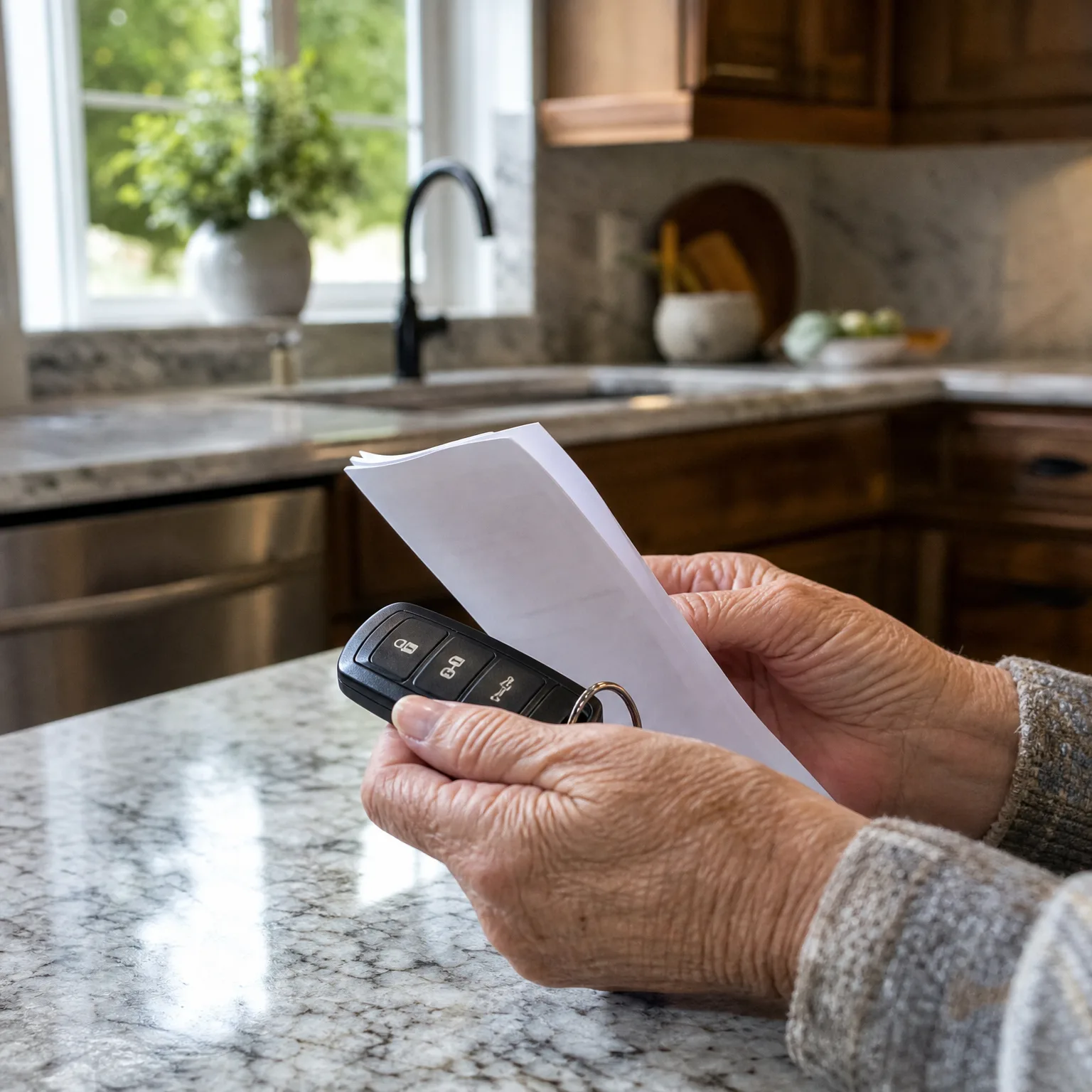
How the battery was handled changes everything
If the battery is still connected and not on a maintainer, it will draw down slowly all winter whether the car runs or not. In that case, starting the car occasionally can help keep it charged, but only if the alternator has time to put real charge back in, which a short idle won't do.
If the battery is disconnected or sitting on a trickle charger or maintainer, there's no reason to start the engine for its sake. The maintainer is doing the job a periodic start would have done, without the condensation problem.
Check which setup you actually have before deciding anything else. A battery tender with a clear charge indicator takes the guesswork out of it entirely.
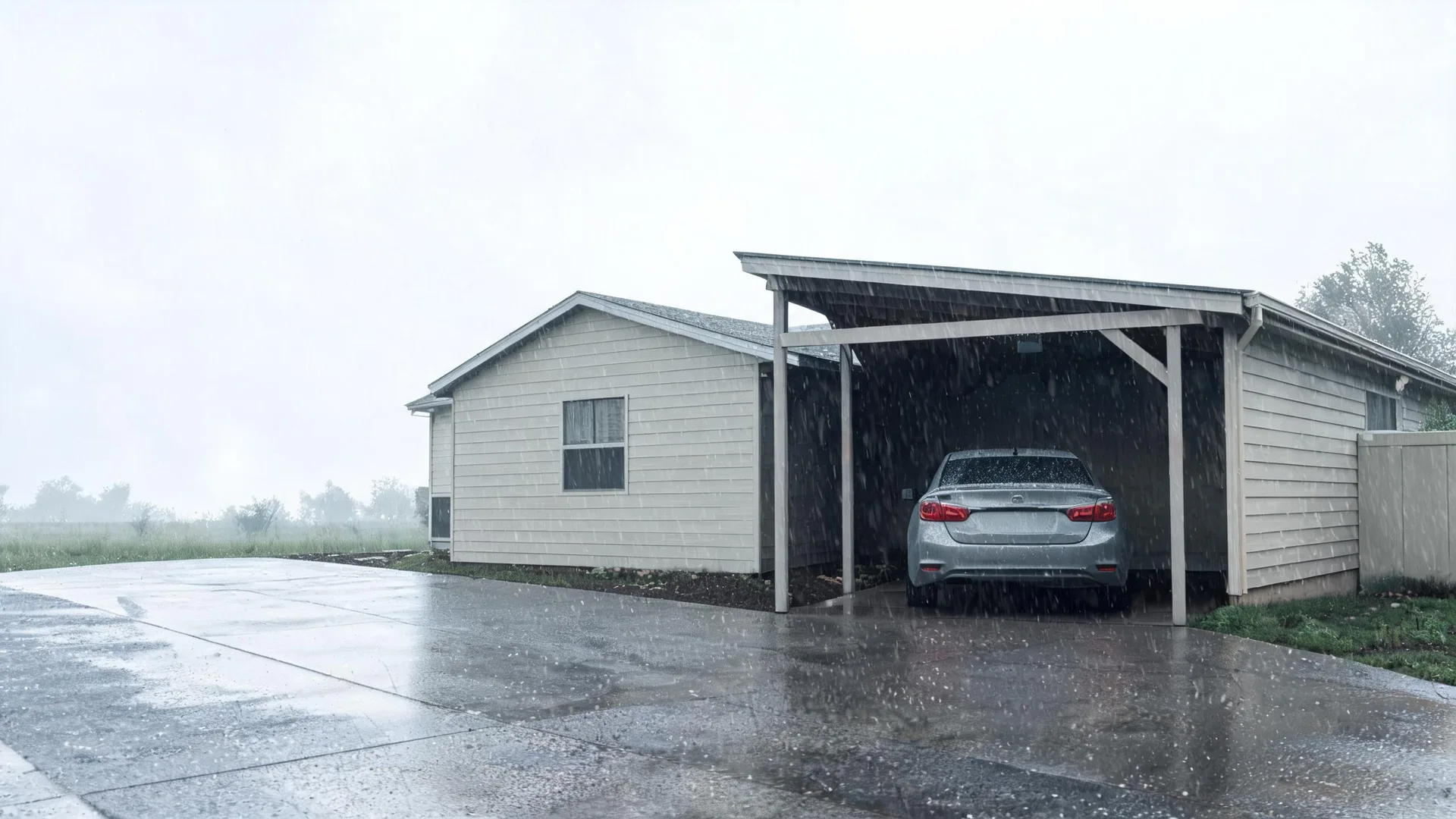
What most people get wrong about 'letting it breathe'
The idea that an engine needs to run occasionally to stay healthy comes from a time before modern oils and sealed storage methods. A clean engine with fresh oil, a full tank of stabilized fuel, and no moisture getting in doesn't degrade just from sitting.
Starting it without driving it is where the trouble comes in. A few minutes of idling lets unburned fuel and moisture collect in the cylinders and exhaust, and that residue causes more wear over a season than simply leaving the engine off would have.
If you want to check on the car during winter, look at tire pressure, look for signs of leaks underneath it, and check the battery charge if it's on a maintainer. None of that requires starting the engine.
Questions people ask about this
How often should a classic car be driven in winter storage?
If it's stored properly, it doesn't need to be driven at all until you're ready to bring it back out. The point of good storage prep, stabilized fuel, a maintained battery, proper tire pressure, is to let the car sit untouched. If you do have a chance to drive it on a dry, salt-free day, a real drive long enough to reach full temperature is better than nothing, but it's not required.
Does a classic car on storage insurance need to stay parked the whole time?
Check your policy, because storage coverage usually comes with real restrictions on how much the car can be driven. Some insurers allow occasional short trips, others don't allow the car to be driven at all while that coverage is active. Ask your insurer directly before you start it up or take it out, since driving outside the terms of a storage policy can affect a claim.
What's the right way to prep a classic car for winter storage?
The basics are stabilized fuel, an oil change before storage rather than after, tires at storage pressure or the car up on jack stands, and a battery that's either disconnected or on a maintainer. Covering the car and keeping the storage space dry matters too. A car prepped this way is the one that doesn't need winter starts at all.
Can cold weather damage a classic car engine even if it's never started?
An engine that's dry, sealed up, and not run shouldn't suffer from cold on its own. The risks in winter storage come from moisture, pests, and flat-spotting on tires, not from low temperatures by themselves. That's why the prep work before storage matters more than anything you do during the winter.
Should I disconnect the battery or use a maintainer for winter storage?
A maintainer is usually the better choice if you have access to power in the storage space, since it keeps the battery at full charge the whole time without you having to do anything. Disconnecting the battery works too and avoids any slow drain, but the battery will need a full charge before the car is started again in spring. Either way, check the battery's charge before you try to start the car.
If storage coverage affects what you can do with the car this winter, it's worth seeing what other policies offer.

Before you decide whether to start the car this winter, find out exactly how it was prepped, specifically whether the battery is disconnected or on a maintainer, and what the fuel and oil situation is. Pull out your insurance policy and check whether it has storage-specific terms about driving or starting the car during that period. If you're not sure, call your insurer and ask directly what's allowed under your current coverage. Write down the date you plan to bring it out of storage so you know when to start thinking about a real startup, not a short idle. If anything about the storage prep is unclear or wasn't done carefully, that's worth addressing now rather than waiting for a cold start to reveal a problem.