How to Keep a Classic Car Running When You Rarely Drive It
A classic car that sits still needs more attention than one you drive every day, not less.
Regular short drives matter more than mileage
A classic car stays healthiest when it's started and driven, not just started. Letting it idle in the driveway does less for the battery, the seals, and the fluids than a real drive on the road, even a short one.
The engine needs to reach full operating temperature to burn off moisture that builds up inside it. A few minutes of idling won't do that. The tires need to roll to avoid flat spots. The battery needs load, not just a trickle charge, to stay healthy. None of this requires daily driving. It requires consistency.

What sitting still actually damages
Fuel is the first thing to go bad. Modern gasoline contains ethanol, and ethanol absorbs moisture from the air over time. Left in the tank for months, it can separate, gum up the fuel lines, and corrode the inside of the tank. A fuel stabilizer added before a long rest period helps, but it doesn't make the problem disappear forever.
Tires develop flat spots where the weight of the car presses down on the same patch of rubber for weeks at a time. On some tires this works itself out after a few miles of driving. On others, especially older or harder compounds, the flat spot stays.
Seals and gaskets dry out without regular lubrication from moving fluid. This is why a classic car that hasn't run in a long time often develops a leak soon after it's started back up. The seal wasn't leaking before. It dried out and shrank while the car sat.
The battery loses charge even when the car is off, and a deeply discharged battery degrades faster than one kept topped up. A battery tender, left connected during long idle stretches, prevents this better than an occasional jump start does.
Why insurance still needs attention
A car that's driven rarely is often a good candidate for a classic or collector car policy, which usually prices the coverage around the car's limited use and agreed value rather than daily commuting. But these policies typically come with their own mileage limits and storage requirements, and those vary by insurer.
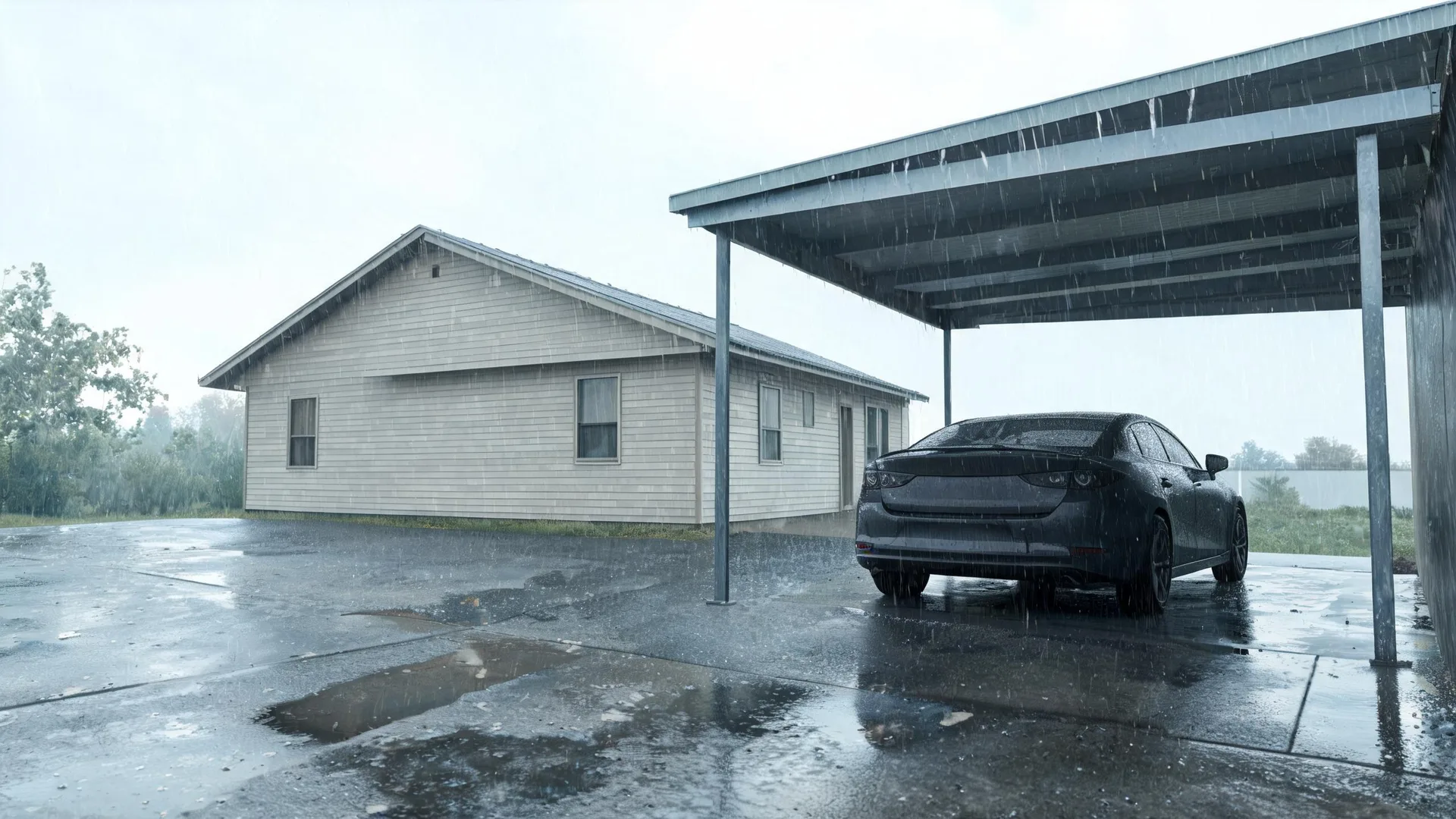
If the car sits in a garage for most of the year, say so when you talk to your insurer. Storage conditions affect both the rate and what the policy expects from you. A damp garage with no climate control is a different risk than a sealed, heated one, and some insurers ask about this directly.
If the car is currently insured on a standard policy because it was once driven regularly, it may be worth asking whether a collector policy fits better now. The answer depends on how the car is used today, not how it was used when the policy started.
Questions people ask about this
How often should a classic car be started to stay healthy?
This depends on the car and the climate, but the general principle is that starting without driving does less good than a real drive. A short drive that gets the engine to full temperature, even once every few weeks, does more for the car than frequent short idles in the driveway.
Does a classic car need a trickle charger if it's driven sometimes?
If the car sits for more than a few weeks between drives, a battery tender helps prevent the deep discharge that shortens battery life. Even occasional driving doesn't always give the battery enough time to fully recharge from normal use, especially in cold weather.
Is it bad to let a classic car sit on the same tires all winter?
Extended sitting in one spot can cause flat spots on the tires where they've been under load the whole time. Moving the car periodically, or reducing its weight on the tires with a jack stand during long storage, helps avoid this.
Should I drain the gas tank before storing a classic car long term?
Most guidance favors keeping the tank nearly full with a stabilizer added, rather than draining it, since an empty tank allows more condensation to form inside. Check your specific fuel type and stabilizer instructions, since ethanol content varies by region and affects how long fuel stays stable.
Will my insurer cancel a classic car policy if it's barely driven?
Low mileage is usually exactly what a collector or classic car policy expects, not a reason for concern. What matters more to most insurers is whether the car is stored and used the way the policy describes, so check your policy's mileage and storage terms if your driving habits change.
See what a policy built around low mileage and careful storage actually costs.
Write down roughly how many miles the car is driven in a typical year and how it's stored, garage, carport, or outdoors. Call your current insurer and ask whether a classic or collector policy fits this use better than what you have now. Ask specifically what mileage limits and storage conditions the policy requires, since these vary by insurer. If you haven't driven the car in over a month, take it for a real drive this week rather than just starting it. Check the fuel stabilizer and battery tender situation before the next long stretch of inactivity.