
Should a Classic Car Be Driven Regularly
A classic car can be driven sometimes, but how often depends on the policy you bought to insure it.
No, not the way you drive a daily car
Classic car policies are built around limited use. Insurers offer lower premiums because they expect the car to be driven occasionally, kept in good condition, and stored carefully the rest of the time. Drive it the way you'd drive a regular car and you may be outside what the policy actually covers.
That said, occasional driving is part of the deal, not a loophole. Most classic car policies expect some use, often tied to a mileage limit written into the policy. The point isn't to never drive the car. It's to drive it the way the insurer priced it for.
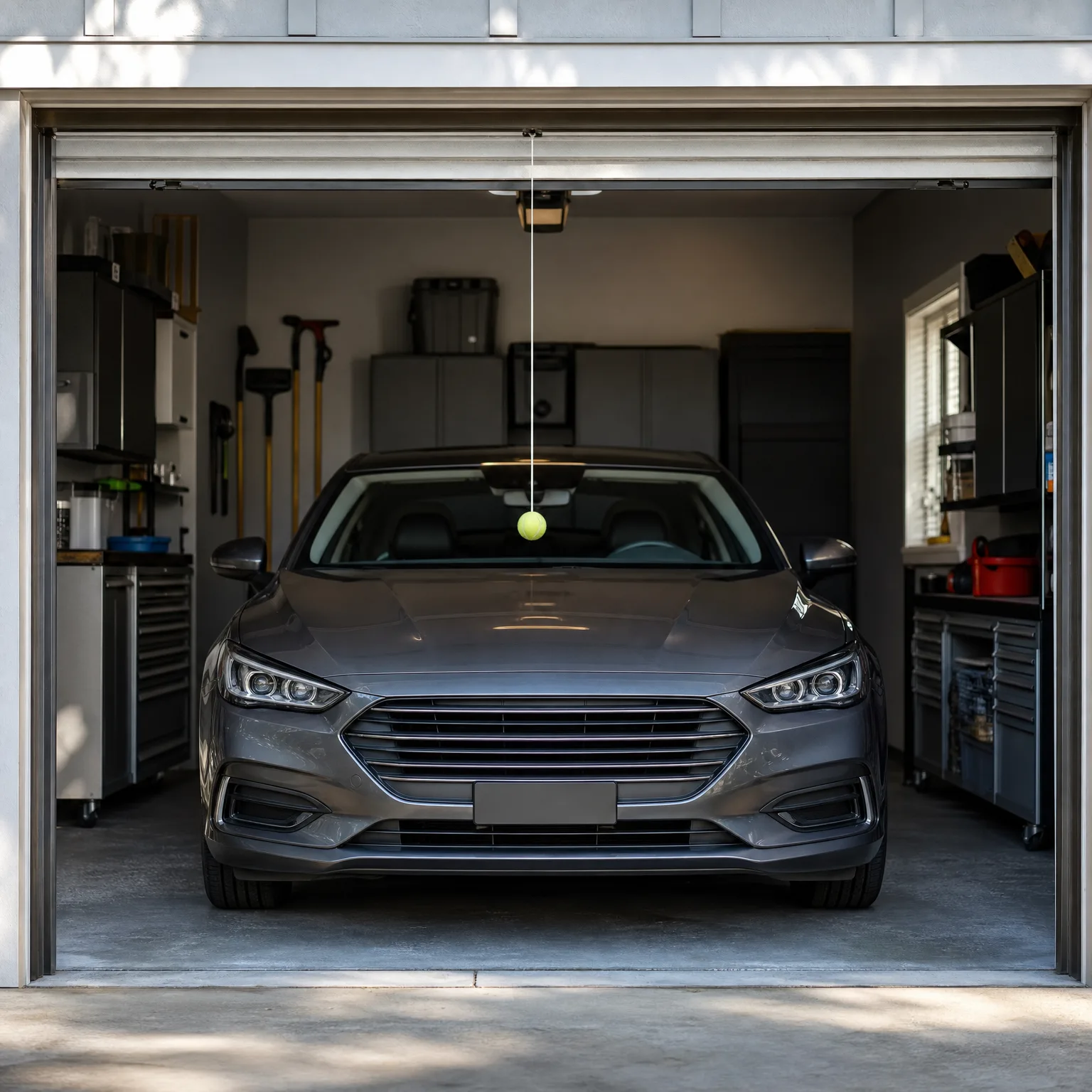
The mileage limit in your policy
Classic car insurers usually cap how many miles you can drive in a year. That number is set by your policy, not by a general rule, so the only way to know yours is to check the paperwork or ask your agent directly.
Going over that limit doesn't always void your coverage, but it can. Some insurers treat it as a conversation worth having before you get close to the cap, not after. If you know your driving habits are changing, a call to your insurer now is worth more than a surprise at claim time.
The mileage limit is also why classic car insurance tends to cost less than standard coverage on the same car. You're trading low use for a lower premium. The moment that trade stops being true, the pricing stops making sense for the insurer, and they'll want to know about it.

What counts as regular use to your insurer
Insurers don't just look at mileage. They look at the pattern. A classic car insured as a weekend or show car that suddenly starts appearing in daily commute traffic looks different to an insurer than one driven to the occasional car meet.
Some policies specifically exclude commuting or everyday errands, even if you'd stay under the mileage cap doing them. That exclusion is about how the car is used, not just how far it travels.
If your car is becoming your main way of getting around, that's a conversation to have with your insurer, not something to work around quietly. A standard auto policy might end up being the more honest fit, even if it costs more.
Questions people ask about this
What happens if I go over my classic car mileage limit?
It depends on your policy and your insurer. Some will simply ask you to update your coverage or move to a different policy. Others may treat a claim differently if the mileage logs show you were over the limit at the time. Ask your insurer directly what their process is rather than assuming.
Do I need a separate daily driver to qualify for classic car insurance?
Many insurers ask this, since it supports the idea that the classic car isn't your primary transportation. Whether it's required depends on the insurer, so check the specific policy terms rather than assuming it's universal.
Can I drive my classic car to work occasionally?
Some policies allow it if it's rare and not a regular commute, others exclude commuting entirely regardless of frequency. This is written into the policy itself, so the wording matters more than general habit.
Does low mileage on a classic car lower my premium further?
Lower mileage can support a lower premium, since it reduces the insurer's exposure, but the exact effect depends on the insurer's own pricing. Ask how your specific mileage tier affects your rate.
How do insurers verify mileage on a classic car?
Methods vary. Some ask for odometer readings at renewal, some rely on your reported estimate, and some may request photos or logs. Ask your insurer what proof they require so you're not caught without it later.
See how classic car policies compare before you decide how often you'll actually drive it.
Pull out your current policy and find the mileage limit and any language about commuting or regular use. Write down your actual driving pattern over the last few months, not your best guess. Call your insurer or agent and ask directly whether that pattern fits the policy you have. If it doesn't, ask what moving to a higher mileage tier or a standard policy would cost. Do this before your next renewal, so you're not deciding under time pressure.