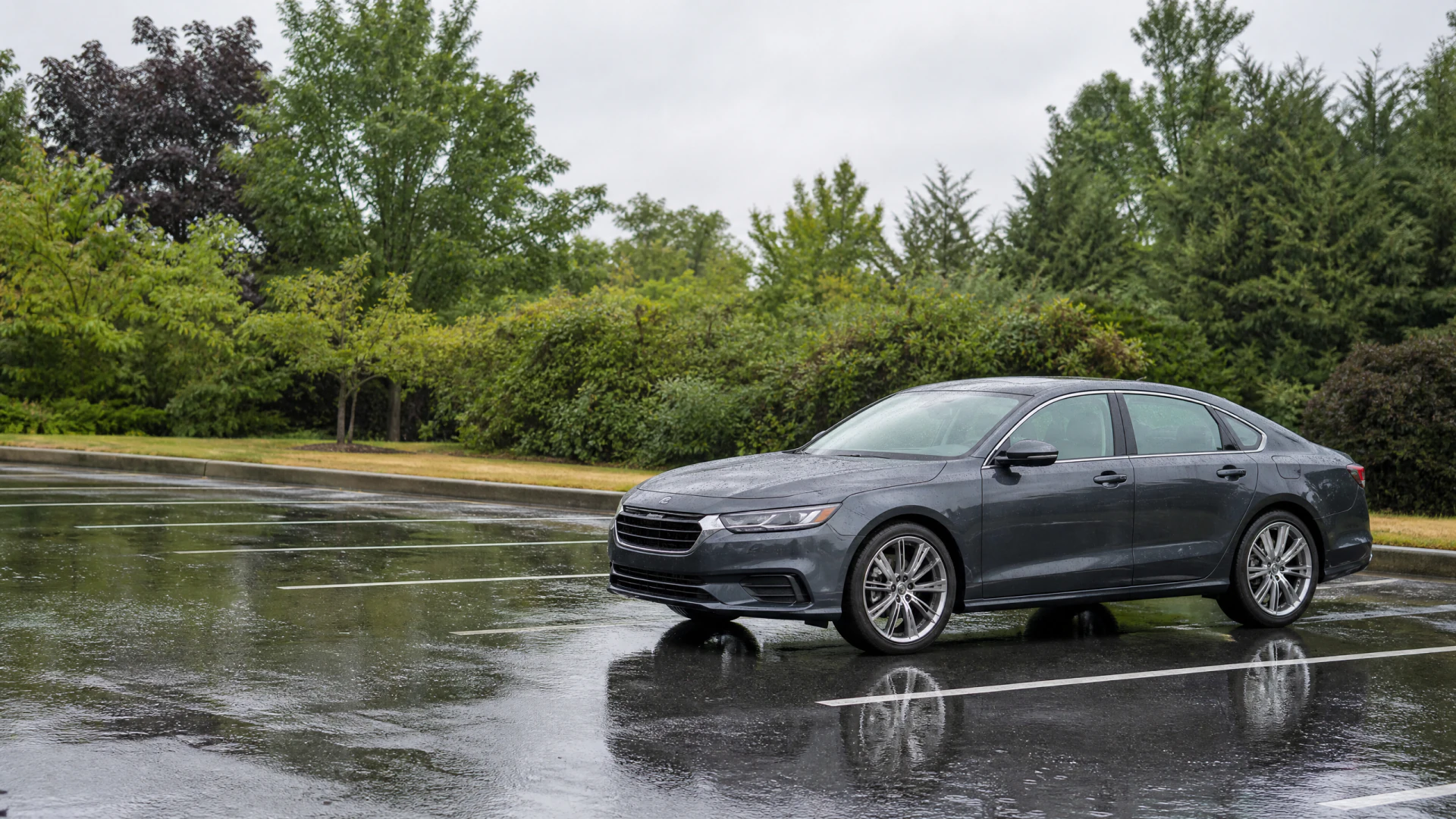
Is Buying a Classic Car a Good Investment
A classic car can be a good investment, but only for the buyer who treats it like one and insures it that way.
It depends on the car and how you treat it, not on the fact that it's old
Some classic cars hold their value or gain it over time. Most don't. The ones that do tend to be rare models with a following, kept in original or correctly restored condition, with documented history. A car that's simply old doesn't qualify just because it's old.
For this to work as an investment, you need to buy right, store the car properly, drive it sparingly, and insure it under a policy built for collector cars rather than a standard auto policy. Skip any one of those and you're more likely to lose money than make it.
The car you pick decides almost everything
Value in classic cars comes from scarcity and demand, not age. A common model from a popular era can sit unsold for years while a rarer trim of the same car climbs in value. Before you buy, look at what similar cars have actually sold for recently, not what sellers are asking.
Condition and originality matter as much as the model. A car with its original engine, interior, and body panels is usually worth more than one that's been heavily modified or poorly restored, even if the modified car looks better. Get a written history of the car if you can, including past ownership and any major repairs.
Maintenance costs eat into any gain. Parts for older cars can be hard to find and expensive once you do. Factor in what it will cost to keep the car running and looking right over the years you plan to own it, not just the purchase price.
Have the car inspected by someone who specializes in that make before you buy. A mechanic who works on modern cars may not know what to look for in a car built decades ago.
How you insure and store the car affects what it's worth later
A classic car insured under a standard auto policy is usually undervalued when something happens to it. Standard policies pay out based on depreciated market value, which can be far less than what a collector car is actually worth. Ask any insurer you're considering about a policy built specifically for classic or collector cars, which typically insures the car for an agreed value instead.
These policies often come with conditions. There may be limits on how many miles you can drive the car each year, requirements about where and how it's stored, and rules about using it only for shows, club events, or occasional pleasure driving rather than daily use. Ask about all of this before you buy the car, not after, since it affects how you can actually use it.
Storage affects both the car's condition and its insurability. A car kept in a garage, away from weather and daily wear, holds its value better and may qualify for better coverage terms than one parked outside or used regularly.
What counts as a qualifying classic, and what the insurer requires to call it one, varies by insurer and sometimes by state. Ask directly what their definition is and what documentation they'll want before you commit to a purchase based on the assumption that it will qualify.
Questions people ask about this
What makes a classic car appreciate in value?
Scarcity, original condition, and a dedicated base of buyers who want that specific model. Cars with low production numbers, intact original parts, and a documented ownership history tend to hold or gain value. A car being decades old, on its own, doesn't predict anything.
Is classic car insurance cheaper than regular car insurance?
It depends on the car, how it's used, and the insurer, so there's no general answer. Classic car policies often cost less than standard policies because the car is driven fewer miles and stored carefully, but the agreed value coverage and any required add-ons can offset that. Ask for a specific quote rather than assuming either way.
Can I drive my classic car every day if it's insured as a collector car?
Usually not without violating the terms of the policy. Most collector car policies limit mileage and restrict use to shows, club events, or occasional driving, specifically because daily use increases wear and risk in ways the agreed value coverage doesn't account for. Check the exact mileage limit and usage rules with your insurer before you plan to use the car regularly.
Does restoring a classic car increase its value?
It can, but only if the restoration is done correctly and documented. A poor or incorrect restoration, using the wrong parts or finishes for that model and year, can lower a car's value compared to one left original. Work with a specialist familiar with that specific make before starting any restoration meant to increase value.
How do I find out what a classic car is actually worth?
Look at recent sale prices for the same make, model, and condition rather than listing prices, since asking prices often don't reflect what buyers actually pay. Classic car auctions, specialty appraisers, and clubs dedicated to that model are usually better sources than general used car valuation tools, which aren't built for collector vehicles.
If you're weighing a classic car purchase, see what collector car coverage would actually cost before you commit.
Before you buy, get a written sales history for the specific car and have it inspected by a mechanic who specializes in that make. Call a few insurers that offer classic car policies and ask what they require to qualify the car, what the mileage and storage rules are, and how they'd set the agreed value. Ask whether the policy covers the type of driving you actually plan to do, whether that's shows, club events, or occasional trips. If the car doesn't qualify for a collector policy, find out what it would cost under a standard policy instead, since that changes the real cost of ownership. Keep all of this in hand before you negotiate a price, since financing and insurance terms can affect what the car is actually worth to you.