Are Classic Cars Declining in Value
Some classic cars are losing value and others are gaining it, depending on the model, its condition, and who's still buying that era of car.
It depends on the car, not on the fact that it's old
There's no single trend for classic cars right now. Some models that were strong performers a decade ago have cooled off, while others, often ones tied to a generation that's now reaching the age where they can afford to buy back their youth, have climbed. Age by itself doesn't predict which way a car is moving.
What tends to hold value is condition, original parts, documented history, and low mileage. What tends to lose value is a car that was common when new, has had poor repairs, or belongs to a category where the buyers who wanted it have aged out of the market. If you own one or are insuring one, the honest answer is to look at recent sale prices for that specific make, model, and year rather than assume the category as a whole is rising or falling.
Who's buying matters more than how old the car is
Classic car values are driven by the people who grew up wanting that car and can now afford one. As that generation ages, some of them stop buying, sell what they have, or pass it down, and demand for those specific models softens. Meanwhile younger buyers are starting to chase cars from the eras they grew up with, which pushes value into different models than the ones that were hot twenty years ago.
This means a car can be a genuine classic by any reasonable definition and still be worth less than it was, simply because the pool of people who want it has shrunk. It also means a car that wasn't considered collectible a few years ago can gain value fast once a new group of buyers starts looking for it.
If you're trying to judge where a specific car is headed, look at who is actually bidding on it at auction or asking about it in owner forums. That tells you more than the car's age does.
For insurance purposes, this matters because an agreed value policy only protects what the car was worth when you set that value. If the market for that model has moved since then, the policy may not reflect what the car is actually worth today.
Condition and originality decide more than the model name
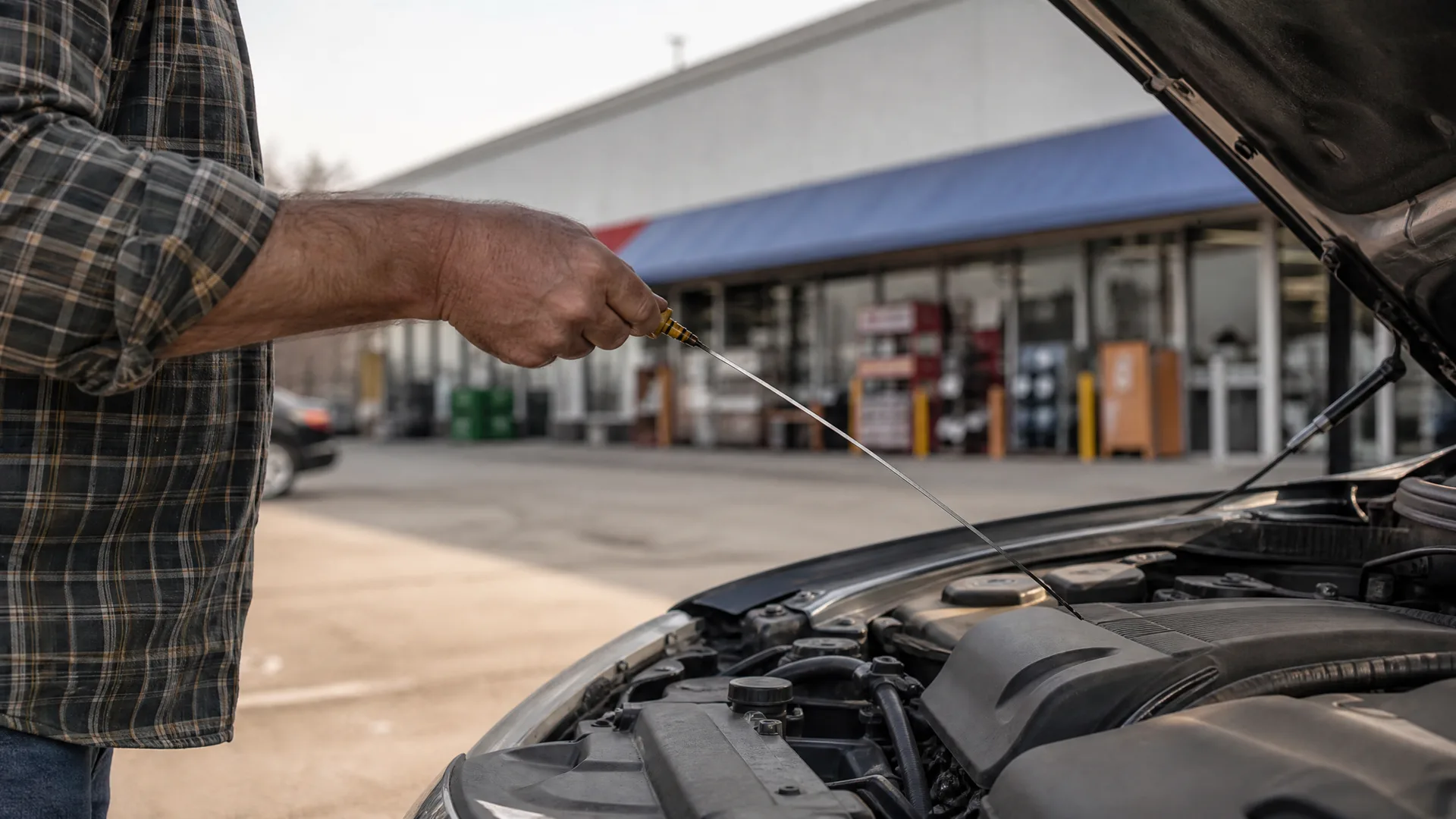
Two cars of the same make, model, and year can have very different values depending on how they were kept. A car with its original engine, original interior, and a full repair history will usually hold value better than one that's been heavily modified or repaired with non-original parts, even if the second car looks just as good from the outside.
Mileage matters too, but not in the way it does for a regular used car. For a classic, very low mileage can mean the car was kept as a collector's piece, which often supports a higher value. A car that was driven regularly isn't necessarily worth less, but its value depends more on how well it was maintained than on the odometer reading alone.
Rust, prior accident repair, and non-matching parts are the things that most often pull a classic car's value down, regardless of how desirable the model is otherwise. If you're assessing a specific car, these are the details to check, more than the model's general reputation.
Questions people ask about this
How do I find out what my classic car is worth today?
Look at recent completed sales for the same make, model, year, and condition, rather than listing prices, since asking prices don't reflect what buyers actually paid. Classic car auction results and specialty appraisal services that focus on collector vehicles tend to give the most accurate picture. A general used car valuation tool usually won't have enough data on classic models to be reliable.
Does a classic car need a different kind of insurance policy?
Many classic cars are insured under a specialty collector car policy rather than a standard auto policy, because standard policies often value the car at current market value rather than an agreed amount. Ask your insurer whether they offer agreed value coverage for classic or collector vehicles, and whether there are limits on mileage or usage tied to that coverage.
Will my classic car's insurance value update automatically as the market changes?
No, an agreed value policy locks in the value you and the insurer set when the policy was written, and it doesn't move with the market on its own. If you believe the car's value has changed significantly, you need to ask your insurer to reassess it, usually with an updated appraisal.
Does restoring a classic car increase its value more than it costs?
This depends entirely on the car and the quality of the restoration, and there's no general rule that restoration pays for itself. A restoration using original or correct parts can support a higher value, while one using incorrect parts or poor workmanship can actually hurt it. Getting an appraiser's opinion before a major restoration is the only reliable way to know.
Should I sell my classic car now if I think its value is dropping?
That depends on your own reasons for owning the car and what you'd do with the money, which isn't something a general answer can settle. If you're trying to judge the market itself, look at how long similar cars are sitting before they sell and whether recent sale prices are trending down, rather than relying on a feeling that the category is declining.
If you're insuring a classic car, it helps to compare how different insurers handle agreed value coverage.
Start by pulling recent sale records for your car's exact make, model, and year, not just the general category it belongs to. If you're insured under a standard policy, ask your insurer directly whether they offer agreed value coverage for collector vehicles, since not all do. If your car has gone up or down meaningfully in value since you last set its insured value, ask about getting a new appraisal before your next renewal. Keep documentation of original parts, past repairs, and mileage history, since this is what both buyers and insurers will ask to see.