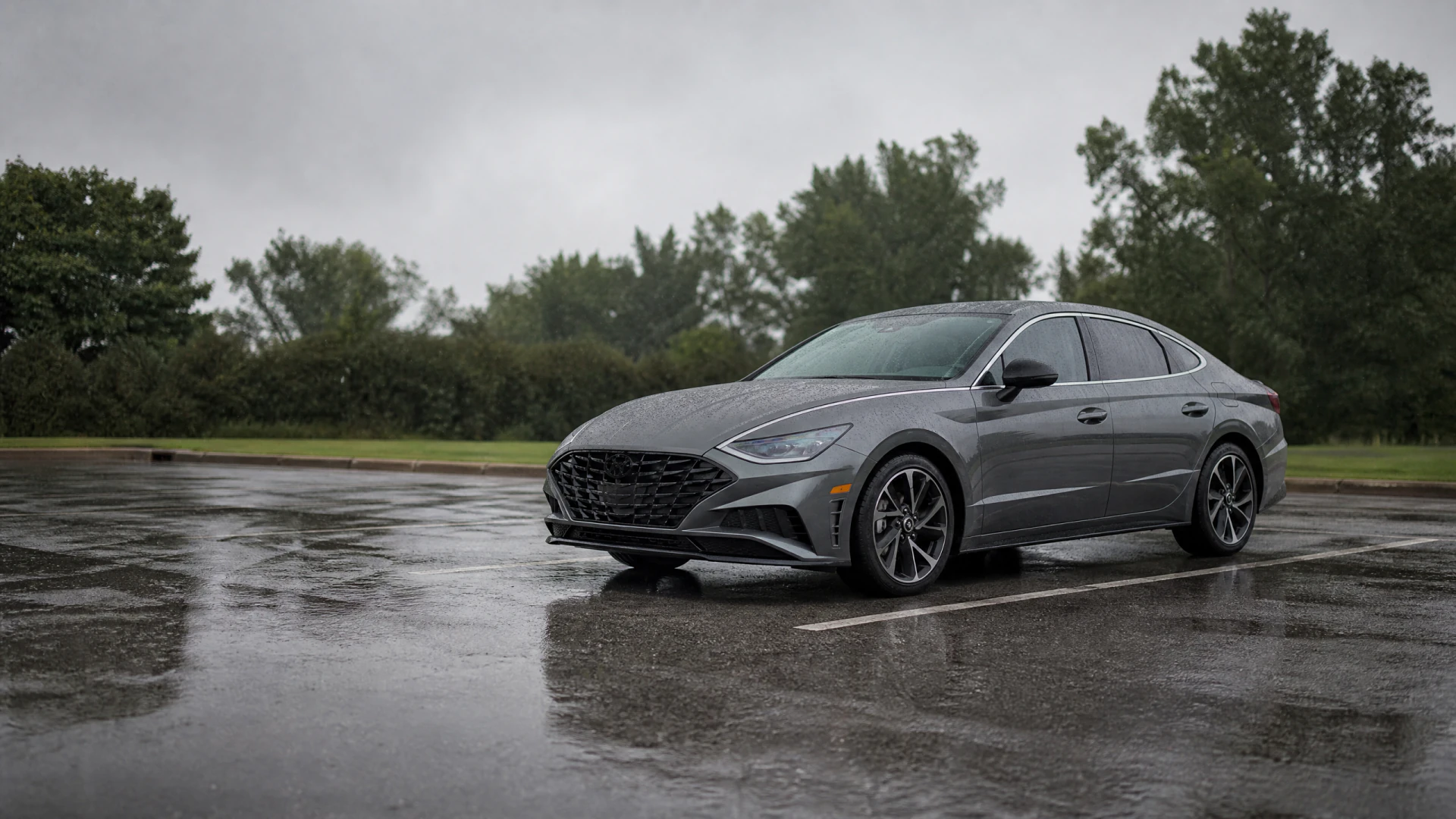
How to Store a Classic Car Over Winter
A classic car needs a dry, stable place to sit and a policy that still covers it while it's parked.
Keep it dry, keep the battery up, and tell your insurer
Storing a classic car over winter means protecting it from moisture, temperature swings, and long stretches without being started, while making sure your insurance still covers it the whole time.
The car itself needs a clean, dry space, a full tank with stabilizer added, tires at the right pressure or off the ground, and a battery that's disconnected or kept on a trickle charger. None of that matters if the policy lapses or doesn't cover a parked, unused car the way it needs to. Call your insurer before the car goes into storage and ask what they need from you.

What your insurer wants to know
Insurers treat a car that sits all winter differently from one that's driven daily, but how they treat it depends entirely on the company. Some offer a reduced rate for storage because the car isn't exposed to the road. Others want the same coverage in place the whole time, especially comprehensive coverage, because the risks in storage are theft, fire, and weather, not collisions.
Ask your insurer directly whether storing the car changes anything about the policy. Ask if they need to know the storage address, especially if it's different from where the car is normally kept. If the car is going into a commercial storage facility rather than your own garage, mention that too, since some insurers ask about it.
Don't assume dropping liability coverage saves money safely. A car in storage can still be stolen, damaged in a fire, or hit by a falling tree, and comprehensive coverage is usually what pays for that. If you drop it to save on premium, you're taking on that risk yourself.
If your classic car has an agreed value policy, check whether the storage period affects the agreed value or any mileage limits tied to the policy. Some agreed value policies require the car to be driven under a certain number of miles a year, and winter storage is often how owners stay under that limit.
Where and how you store it changes the risk
A heated garage with a concrete floor is a different risk than an outdoor carport or a storage unit you don't visit often. Dampness causes rust and corrosion, which is the main enemy of a car sitting still for months. A dehumidifier or moisture-absorbing product in the space helps, as does leaving a window cracked slightly if the space allows for airflow without letting in pests.```
Cover the car with a breathable car cover, not a tarp, since trapped moisture under a non-breathable cover causes more harm than leaving it uncovered. Check on the car periodically through the winter rather than leaving it completely untouched for months. A short walk-through lets you catch a flat tire, a dead battery, or signs of pests before they become bigger problems.
If you're storing the car somewhere other than your own property, find out who is responsible if something happens to it while it's there. A storage facility's policy and your own car insurance may not cover the same things, so it's worth asking both what's covered and what isn't.
Questions people ask about this
Should I cancel my car insurance while my classic car is in storage?
Most insurers don't recommend fully canceling, since that can create a lapse in coverage that affects your rates later and leaves the car unprotected from theft or damage. Ask your insurer about a reduced coverage option for storage instead of canceling outright. A lapse can also complicate getting insured again when the car comes out of storage.
Do I need to start my classic car during winter storage?
Many owners start the engine periodically to keep fluids circulating and prevent seals from drying out, but how often depends on the car and the advice of whoever maintains it. If you do start it, let it reach full operating temperature rather than running it briefly, since a short run can do more harm than good by creating condensation in the exhaust.
What's the difference between storage insurance and regular car insurance?
Storage coverage, where insurers offer it, usually keeps comprehensive protection in place while reducing or removing the parts of a policy tied to driving, like liability. It exists because a parked car's main risks are theft, fire, and weather damage rather than collisions. Ask your insurer directly whether they offer this and what it changes about your coverage.
Will storing my classic car affect my agreed value coverage?
It depends on the policy. Some agreed value policies include mileage limits, and storing the car over winter is often how owners keep annual mileage low enough to qualify. Check your policy documents or ask your insurer whether storage affects the agreed value itself or just the mileage count.
Can I store my classic car at a different address than what's on my policy?
You can, but you should tell your insurer first, since some policies are written around where the car is normally kept. If the storage location is different from your home address, especially if it's a commercial facility, ask whether that needs to be noted on the policy.
See how storing your classic car over winter might change what you pay to insure it.
Before you put the car away, call your insurer and ask exactly how they want to handle the storage period, since the answer varies by company. Have your policy number and the storage address ready when you call. Ask specifically about comprehensive coverage, any mileage limits tied to an agreed value policy, and whether a reduced storage rate is available. Write down what they tell you, since this is the kind of detail that's easy to forget by spring. Once the car comes out of storage, call again to confirm the policy is back to normal before you start driving it regularly.