
How Does Agreed Value Car Insurance Work
You and the insurer agree on what the car is worth before anything happens, so a total loss pays that amount, not whatever an adjuster decides later.
The payout is fixed before you need it
With agreed value coverage, you and the insurer set a dollar figure for your car when you buy the policy. If the car is stolen or totaled, that's what you're paid. No depreciation schedule, no adjuster arguing the car was worth less than you thought.
This matters most for cars that don't follow a normal depreciation curve. A classic car, a low mileage collector car, anything where the market value isn't easy to look up. Ordinary car insurance pays actual cash value at the time of loss, which an adjuster calculates using comparable sales and mileage. For a car like this, that number can be far below what the car is actually worth to you or to a buyer.
How the value gets set matters more than the number itself
The insurer doesn't just take your word for what the car is worth. You'll usually need an appraisal, photos, or documentation showing the car's condition and market value at the time you buy the policy. The stronger that documentation, the less room there is to dispute the figure later.
Some insurers reassess the agreed value at renewal, especially for classic cars whose market value tends to rise over time. Others lock it in and leave it to you to request a change. Ask your insurer directly which approach they use, because if your car's value goes up and the policy doesn't follow, you could be underinsured without knowing it.
If you make changes to the car, restoration work, new parts, anything that changes its value, tell your insurer. An agreed value that was accurate when you bought the policy can fall out of date fast if the car's condition changes and nobody updates the paperwork.

Not every car qualifies, and that's decided by the insurer
Agreed value coverage is typically offered through insurers who specialize in classic or collector cars, not as an option on an everyday auto policy. If your car is a daily driver with ordinary mileage, most insurers will simply offer actual cash value coverage instead, regardless of what you'd prefer.
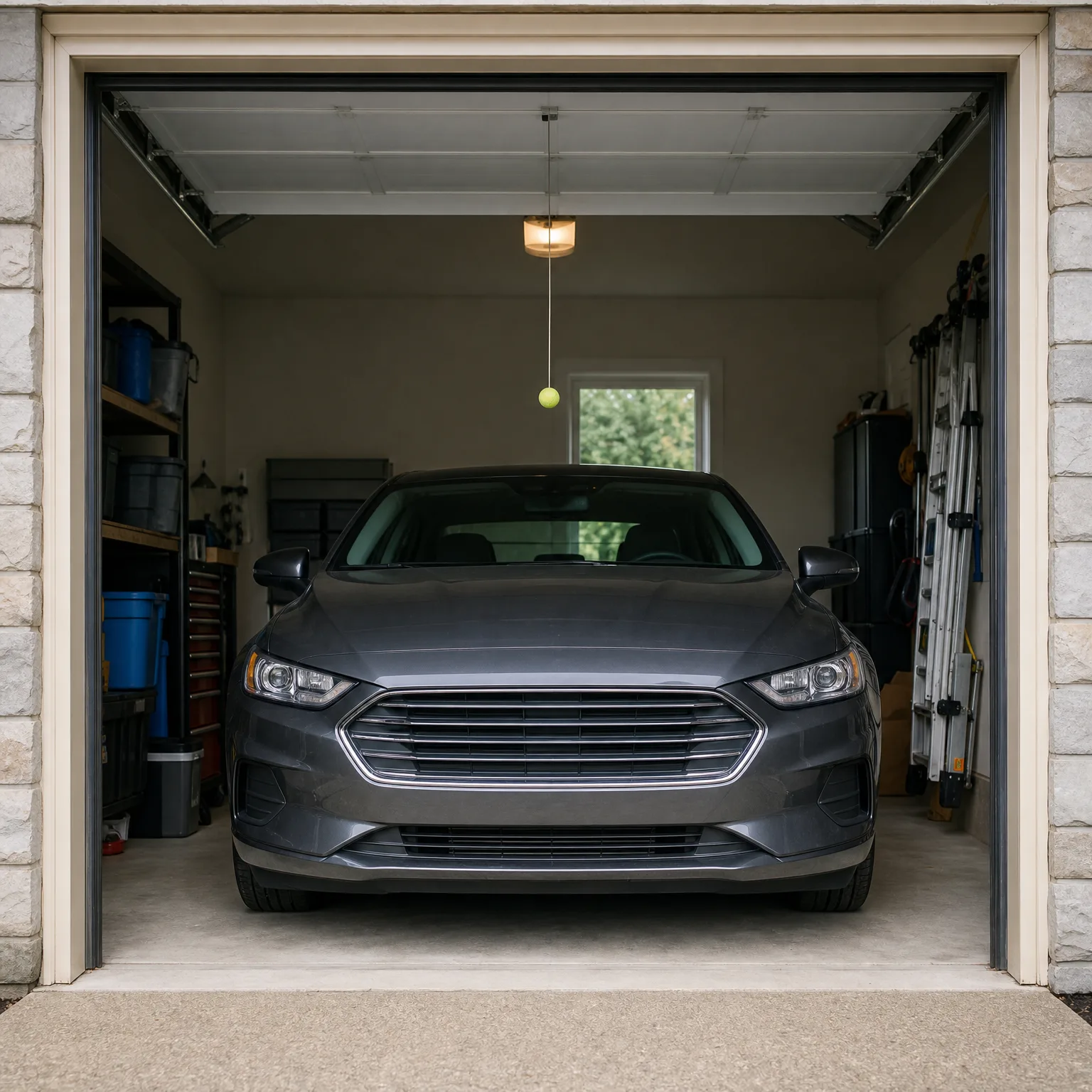
Insurers who offer agreed value coverage often have their own rules about how the car is used and stored. There may be limits on annual mileage, a requirement that the car is kept in a garage, or restrictions on using it for daily errands. These conditions matter because violating them could affect a claim later. Ask what the usage rules are before you assume the coverage applies the way you expect.
If you're not sure whether your car qualifies, the first step is asking an insurer who writes classic car policies, not assuming based on the car's age alone. Some newer cars with low production numbers qualify. Some older cars with high mileage and ordinary history don't.
Questions people ask about this
Does agreed value insurance cost more than actual cash value coverage?
It depends on the car and the insurer, since you're insuring a fixed amount rather than a depreciating one. Ask for a quote on both types of coverage for your specific car so you can compare what each one actually costs you.
Can I change the agreed value after the policy starts?
Usually yes, but you'll need to ask your insurer how. Some require a new appraisal, others just need updated documentation, and the process varies enough that it's worth asking directly rather than assuming.
What happens if I total the car and the agreed value is wrong?
If the value was set accurately and documented, this shouldn't be an issue, since the whole point of agreed value is avoiding a dispute at claim time. If you believe the figure is outdated, raise it with your insurer before you need to file a claim, not after.
Do I need an appraisal every year for agreed value coverage?
Some insurers require periodic reappraisal, others don't. This is set by the individual insurer, so ask directly what their renewal requirements are rather than assuming the first appraisal covers you indefinitely.
Is agreed value the same as stated value coverage?
No, they work differently even though the names sound similar. Stated value coverage typically pays the lesser of the stated amount or the actual cash value at the time of loss, so ask your insurer explicitly which type a policy offers before assuming it guarantees the full amount.
See what insurers who write classic car policies would set as your car's agreed value.
Pull together what you have on the car. Photos, any past appraisal, records of restoration work or upgrades, and recent sale prices for comparable cars if you can find them. Call an insurer who specializes in classic or collector coverage and ask how they determine agreed value and whether they reassess it at renewal. If you already have a policy, check what your current agreed value is set at and when it was last updated. If it's been a few years, ask whether an updated appraisal makes sense before you're relying on that number in a claim.