Does My Car Qualify for Classic Car Insurance
Most insurers look at the car's age, condition, and how you use it, not just the make or model.
It depends on the car's age, use, and condition, not just its looks
A car usually qualifies for classic car insurance if it's old enough to meet the insurer's definition, kept in good condition, and driven only occasionally rather than as your everyday vehicle. Insurers that offer this kind of policy set their own rules for what counts as a classic, so the same car might qualify with one company and not another.
Beyond age, what matters most is how the car is stored and driven. Insurers want to see that it's garaged when not in use and driven only for shows, club events, or occasional pleasure trips. A car that sits outside and gets driven to work every day usually won't qualify, no matter how old it is.

How you use the car matters as much as its age
Classic car insurance is built around the idea that the car isn't your daily transportation. Insurers ask how many miles you expect to put on it each year and what you use it for. A car driven to the grocery store or used as a backup vehicle doesn't fit the profile, even if it technically meets the age requirement.
If you still drive the car regularly, some insurers will say so outright and decline to write a classic policy. Others may offer a hybrid option that covers an older vehicle without the mileage restrictions that come with true classic coverage. It's worth asking directly how the car needs to be used to qualify, rather than assuming age is enough.
This also affects your other coverage. If the classic sits in the garage most of the year, you still need a plan for your main vehicle, and your insurer will want both relationships clear so there's no gap in coverage.
Condition and storage carry real weight
Insurers generally want to see that the car is kept in good mechanical and cosmetic condition, often close to its original specification. A car that's been heavily modified, is missing major parts, or needs significant repair work may not qualify until it's restored or repaired.
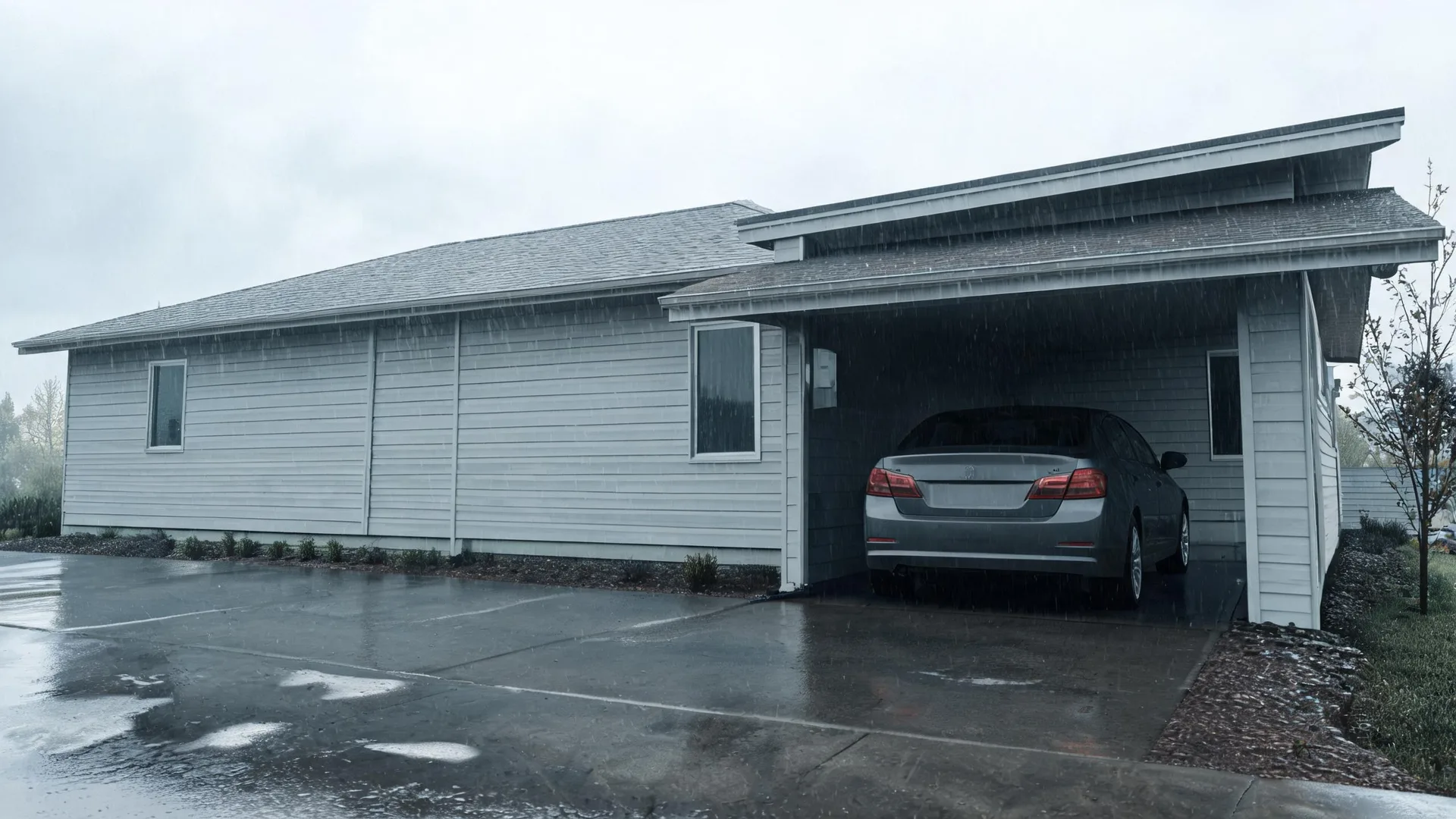
Where and how the car is stored matters too. A locked garage is usually expected. A carport or open driveway may not meet the insurer's requirements, since exposure to weather increases the risk of damage that classic policies are designed to avoid.
If you're not sure whether your car meets these standards, ask the insurer what they require before you apply. Some will ask for photos or a written description of the car's condition as part of underwriting.
Questions people ask about this
How old does a car need to be for classic car insurance?
There's no single age that applies everywhere. Each insurer sets its own minimum age for what it considers a classic, so check with the insurer directly rather than assuming a round number applies.
Can I still drive my classic car on classic car insurance?
Yes, but usually with limits on how often and how far. Policies built for classic cars typically cap annual mileage and expect the car to be used for leisure driving rather than daily transportation.
Does a modified classic car qualify for classic car insurance?
It depends on the insurer and the extent of the modifications. Some will insure modified classics as long as the changes are documented, while others only cover cars close to their original factory condition.
What happens if my classic car doesn't qualify for classic car insurance?
The car would typically be insured under a standard auto policy instead. This usually means no mileage restrictions, but it also means missing out on the agreed value coverage that classic policies often provide.
Do I need an appraisal to get classic car insurance?
Many insurers ask for one to establish the car's agreed value, since classic policies often pay out based on that figure rather than market value at the time of a claim. Ask the insurer whether they require it and who can perform it.
See which insurers write classic car policies for cars like yours.
Pull together what you have on the car: its age, mileage, how it's stored, and any restoration or modification records. Call your current insurer first and ask whether they offer classic car coverage and what their requirements are. If they don't, ask them to point you toward their underwriting criteria so you know what any other insurer will likely ask. While you're at it, get a sense of how many miles you actually drive the car each year, since that number often decides whether you qualify. Keep your regular policy in place until the classic coverage is confirmed and active, so there's no gap.