Classic Car Insurance for Seniors in Utah
A classic car policy can cost less than your everyday car's policy, but only if your classic fits what Utah insurers consider a limited-use collector vehicle.
Yes, and it's often a better fit than a standard policy
Classic car insurance is available to Utah seniors, and in many cases it costs less than insuring the same car on a regular policy. Insurers that write classic car coverage aren't pricing the driver the same way a standard insurer does. They're pricing the car and how it's used.
That works in favor of an older driver with a clean record and a car that sits in a garage most of the year. It works against you if the car is still your daily driver or if your record has recent claims or violations. The insurer will ask how the car is stored and how often it's driven before they ask much about you.
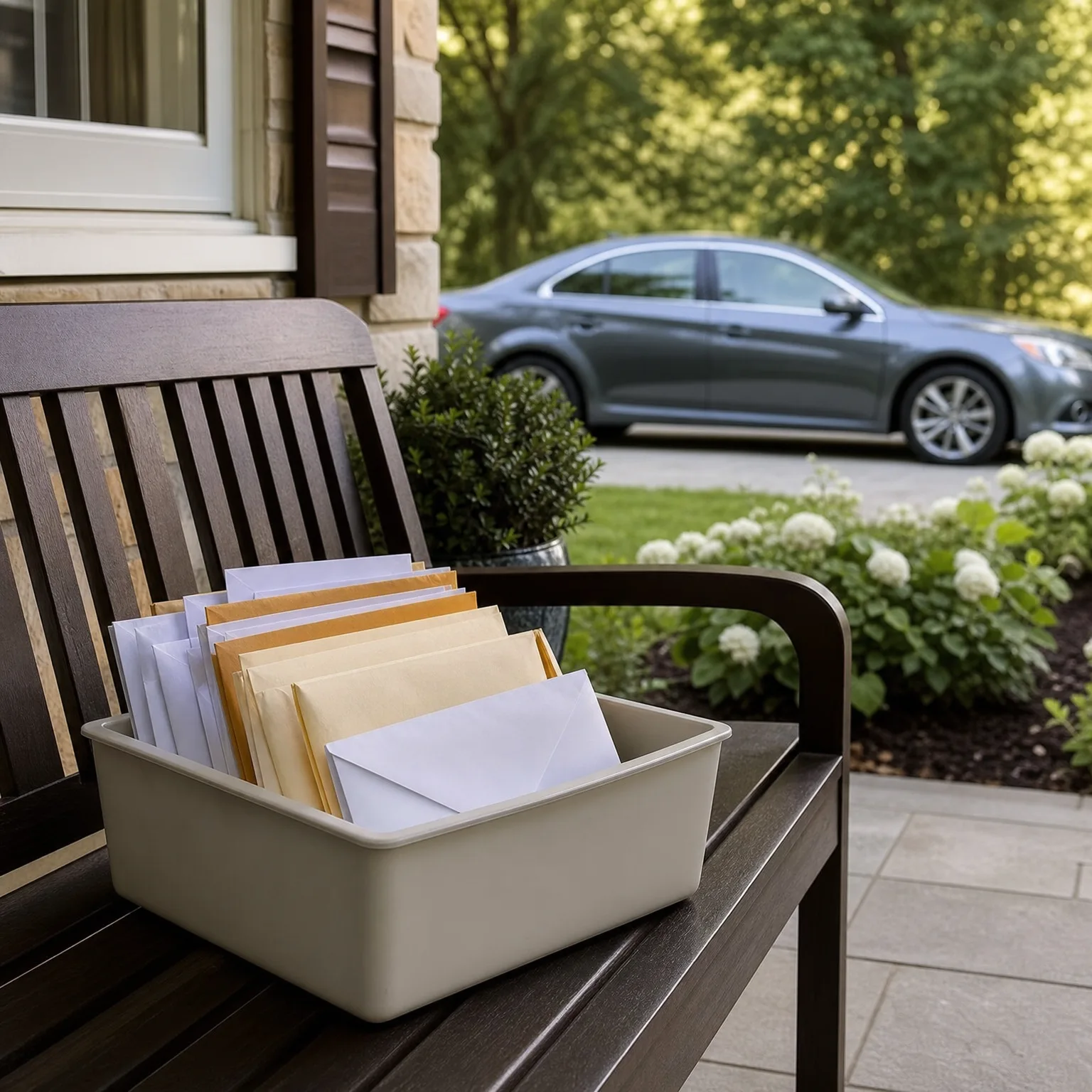
How you use the car decides whether you qualify
Classic car insurers in Utah write policies around limited use. That usually means the car isn't your primary transportation, it's stored in an enclosed space, and you drive it a limited number of times a year for things like car shows, club events, or short pleasure drives.
If you're still using the car to run errands or commute, even occasionally, say so when you apply. Insurers check this, and a policy written on the assumption of limited use won't cover a claim that happens while the car was being used as a daily driver.
Some insurers want the car kept with your other vehicles insured under a regular policy, so there's always a car available for everyday driving. Ask about this before you apply, since it affects whether you qualify at all.
If your classic really is your only car and you drive it regularly, a standard policy may fit your situation better even if the price looks higher at first.
Your age can help more than it hurts
With classic car coverage, a long driving history and a clean record usually matter more than age itself. Many of these policies are written with collectors in mind, and older drivers often fit that profile well because they've had decades to build a record and often drive less overall.
Some insurers do set an age range for this coverage, since the policy assumes a driver experienced enough to handle an older car without modern safety features. If there's an upper age limit, it's set by the individual insurer, not the state, so ask directly rather than assuming you're covered or excluded.
A recent moving violation or at-fault claim can affect a classic car policy the same way it affects a standard one. If your record has something recent on it, ask how the insurer weighs that before you commit to one quote.
Questions people ask about this
Does Utah require classic cars to be inspected differently than regular cars?
Vehicle inspection and registration rules for classic or antique vehicles are set by the Utah Division of Motor Vehicles, not by insurers. Check with the DMV directly for how your car's age affects its registration category, since that can also affect what an insurer asks for.
Can I still drive my classic car to the grocery store occasionally?
This depends entirely on how your specific policy defines limited use. Some insurers allow occasional errands within a mileage limit, others don't allow it at all. Ask your insurer directly what counts as acceptable use under your policy before you rely on it for anything beyond shows and club events.
Will my classic car insurance go up if I add a young driver to the policy?
Adding any driver to a classic car policy can change the price, and some insurers won't allow a driver outside a certain age range to be listed at all. Ask the insurer how they handle additional drivers before you add anyone, since classic car policies are often written around a single experienced driver.
What happens to my classic car policy if I stop driving altogether?
If you stop driving, you can typically keep the car insured under a stored or non-operational policy rather than canceling coverage entirely, which protects against theft or damage while it sits. Ask your insurer what options exist for a car that's no longer driven, since letting coverage lapse can make it harder to insure later.
Do I need an agreed value policy for my classic car?
An agreed value policy sets a fixed payout amount ahead of time instead of calculating depreciation after a loss, and most classic car insurers offer this as standard. Ask how the insurer determines that value and what documentation, like an appraisal or photos, they need to set it.
See how classic car coverage compares to a standard policy for your car before you decide which one fits.
Pull together what an insurer will ask for: how the car is stored, roughly how many miles you put on it each year, and any car club membership or appraisal documents you have. Call your current insurer first and ask whether they write classic car policies in Utah and how they define limited use. Get at least one quote from a specialist classic car insurer as well, since their rules on usage and age can differ from a standard company's. Ask every insurer directly whether there's an age range for this coverage and how they'd treat your driving record. Compare the actual coverage terms, not just the price, since a cheaper policy with a strict use limit could leave you without coverage if your habits change.