Classic Car Insurance for Seniors in Idaho
Idaho seniors can usually get classic car coverage for less than a standard policy, as long as the car is driven and stored the way classic insurers expect.
Yes, and age works in your favor here
Classic car insurers write policies for the car, not against the driver's age the way a standard auto insurer might. A senior with a clean record and a well-kept classic is often exactly the customer these policies are built for.
What matters more than your age is how the car is used. Classic insurers expect limited mileage, a second vehicle for daily driving, and secure storage. If your classic fits that pattern, the fact that you're retired and driving less actually helps your case.
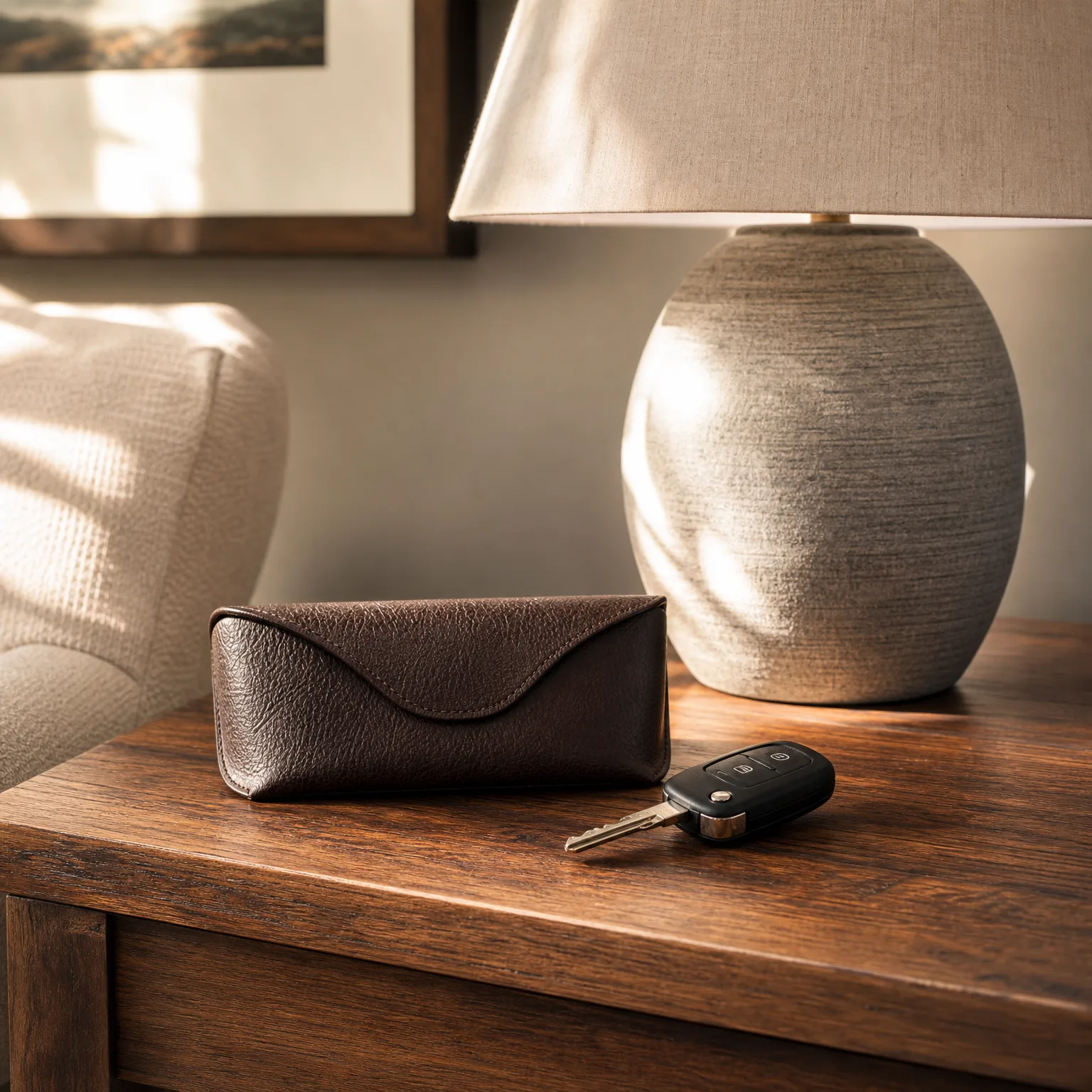
How the car is used decides most of it
Classic car policies assume the vehicle isn't your everyday transportation. You'll be asked how many miles you expect to drive it in a year, where it's stored, and whether you have another car for regular errands and appointments.
If you're retired and the classic has become your main or only car, say so honestly. Some insurers have a separate program for that, others won't offer classic rates at all in that case. Misstating how the car is used can cost you a claim later, so it's worth asking directly how your insurer defines limited use.
Storage matters too. A garage or other enclosed space counts in your favor. If you park on the street or in an open carport, ask whether that changes what you qualify for.
If you stop driving the classic for part of the year, mention that as well. Some policies adjust for seasonal storage, which can lower what you pay.
Your driving record still matters, maybe more than usual
Classic car insurers tend to be selective about who they cover, and a clean driving record carries real weight in that decision. Decades of driving history can work for you if there's nothing recent on it.
If you've had a citation or a claim in the past few years, ask how far back the insurer looks. Some classic programs are stricter about recent history than standard auto insurers are, since they're insuring a car that's harder or more costly to replace.
If your license has any restrictions, such as a daytime-only condition, mention that upfront. It may not disqualify you, but it's the kind of detail a classic insurer will want to know before issuing a policy rather than after a claim.
Idaho doesn't have a separate rulebook for classic car insurance itself, that's set by each insurer's underwriting guidelines. What Idaho does set is your license renewal and any vision or testing requirements tied to age, so check with the Idaho Division of Motor Vehicles if you're unsure where you stand on that.
Questions people ask about this
Does my car have to be a certain age to qualify as a classic in Idaho?
Each insurer sets its own definition of a classic or antique vehicle, and Idaho doesn't impose a separate standard for insurance purposes. Ask the insurer directly what year range and condition they require, since this varies by company.
Can I still drive my classic car daily and get this kind of coverage?
Most classic car policies expect limited, occasional use rather than daily driving. If the car is your primary transportation, ask the insurer whether they have a different program for that, because standard classic rates often assume you have another car for regular use.
Will my classic car insurance go up if I get a ticket?
It can, depending on the insurer and how recent the ticket is. Classic car insurers vary in how strictly they weigh driving record changes, so ask your agent how a new violation would affect your policy before it happens.
Do I need an appraisal to insure my classic car?
Many classic car policies are written on an agreed value basis, which usually requires an appraisal or documentation of the car's condition and value. Ask your insurer what they require and whether they have an appraiser they work with.
Can I add my classic car to my regular auto policy instead?
Some standard insurers will cover a classic car under a regular policy, but often at actual cash value rather than an agreed value, which can matter a great deal if the car is ever totaled. Ask how your insurer would value the car under each option before deciding.
See what classic car coverage would cost you before you commit to one insurer's terms.
Pull together your classic car's title, any appraisal or documentation of its value, and a estimate of how many miles you drive it each year. Call your current auto insurer first and ask whether they offer a classic car program and how it differs from what you have now. Then get quotes from one or two insurers that specialize in classic cars, since their underwriting and pricing can differ a lot from a standard insurer's. Ask each one directly how they define limited use, what storage they require, and how they'd value the car in a total loss. If your license has any age-related restriction, mention it upfront rather than letting it surface during a claim.