Classic Car Insurance for Seniors in Pennsylvania
Seniors in Pennsylvania can usually get classic car insurance, and age alone doesn't stand in the way.
Yes, and age works in your favor here
Classic car insurers care more about how the car is kept and driven than about the driver's age. A senior with a clean record and a car that sits in a garage most of the year is close to the ideal customer for this kind of policy.
What decides whether you qualify is the car's age and condition, how many miles you put on it each year, and whether you have another vehicle for everyday driving. Pennsylvania doesn't add extra rules on top of that for older drivers.
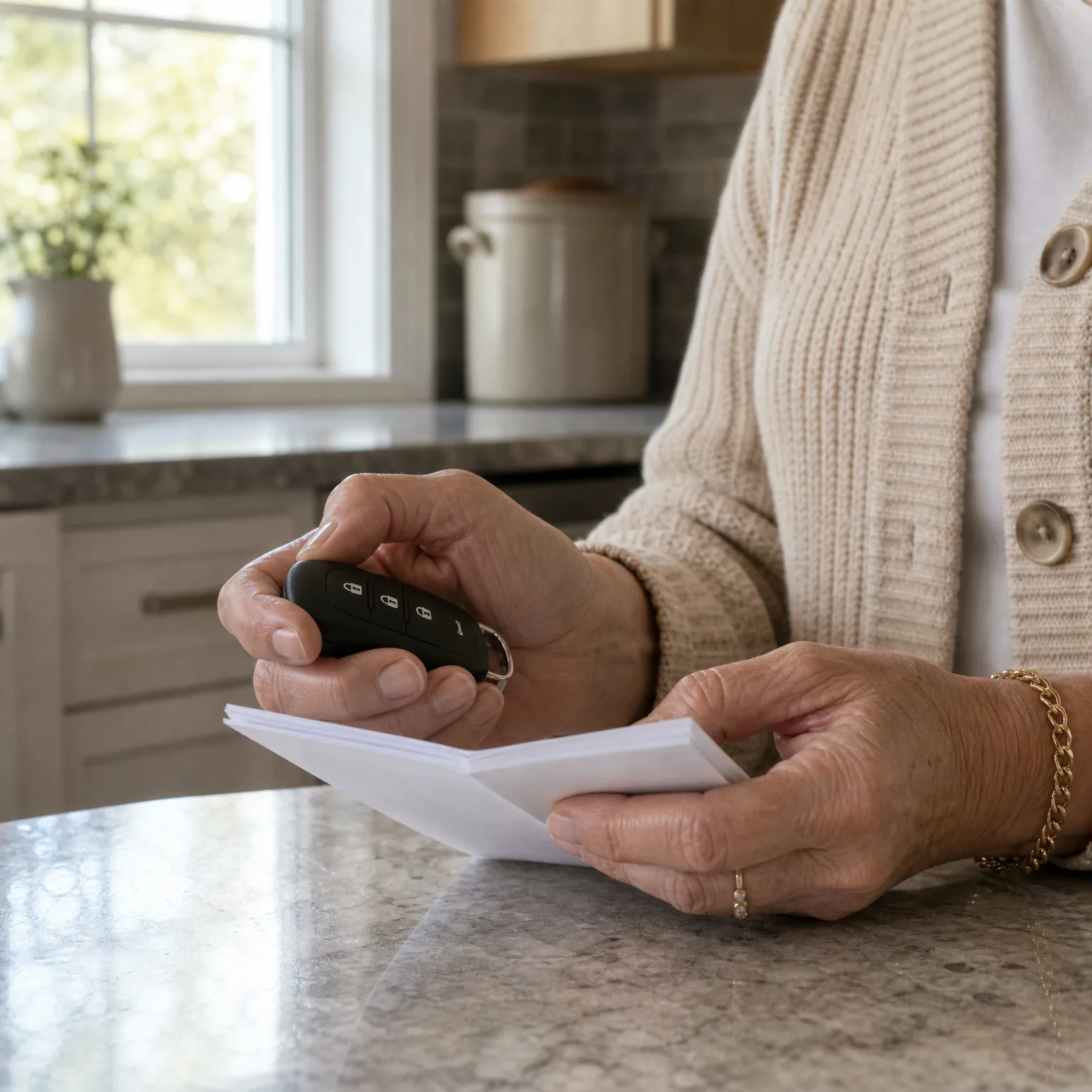
How you use the car matters more than how old you are
Classic car policies assume the car is a second or third vehicle, not daily transportation. If you still drive it to the grocery store or on a regular commute, some insurers will turn you down or push you toward a standard auto policy instead.
For a lot of retired drivers this is an easy fit. If you're not commuting anymore and the classic car comes out for shows, club drives, or nice weather, that's exactly the pattern these policies are built around.
Insurers usually ask for an annual mileage limit and proof you have another car registered in your name for regular use. Have your current registration and a rough estimate of annual miles ready when you apply.
Your driving record still counts
A classic car discount doesn't erase a rough driving record. If you've had recent violations or an at-fault accident, some insurers will decline you or charge more, even though the car itself is low-risk.
Few moving violations and no recent claims work in your favor and often bring the premium down further, since classic car insurers tend to reward drivers who've shown they're careful over time.
If your record isn't clean, ask the insurer directly how they weigh it. Some look only at the last few years, others go back further, and this varies by company rather than by any Pennsylvania rule.
Questions people ask about this
Do I need an agreed value policy for a classic car in Pennsylvania?
Most classic car insurers offer agreed value coverage, which pays the amount you and the insurer set in advance rather than a depreciated market value. Ask whether the policy you're looking at is agreed value or actual cash value, since the difference matters a lot if the car is ever totaled.
Can I still drive my classic car every day and get this kind of policy?
Generally no, because classic car insurance is priced around limited, occasional use. If you drive the car regularly, tell the insurer that upfront so they can either adjust the mileage limit or point you to a standard policy that fits how you actually use the car.
Will my Pennsylvania classic car registration affect my insurance options?
It can, since some insurers ask whether the car is registered under Pennsylvania's antique or classic vehicle category. Check with PennDOT on what registration category your car qualifies for, then confirm with the insurer whether that registration is something they require.
What counts as a classic car for insurance purposes?
This depends on the insurer, not on a single fixed definition. Some set a minimum age for the vehicle, others focus on whether it's kept in original or restored condition, so ask any insurer you're considering what their specific criteria are before assuming your car qualifies.
Does my regular auto insurer in Pennsylvania offer classic car coverage too?
Some do, either directly or through a specialty division, while others don't offer it at all. Ask your current insurer whether they write classic car policies, and if they don't, ask whether bundling with a separate classic car insurer still gets you any multi-policy discount.
See what classic car coverage would cost from insurers who know how to price it.
Pull together your car's registration, a recent photo or two, and an honest estimate of how many miles you'll put on it this year. Call your current auto insurer first and ask if they write classic car policies, since bundling can simplify things. If they don't, get a few quotes from insurers that specialize in classic or collector cars and ask each one directly how they view your driving record and the car's intended use. Confirm with PennDOT whether your car qualifies for antique or classic registration, since some insurers ask about this. Once you have a couple of quotes in hand, compare not just the premium but the mileage limits and whether the policy is agreed value.