Classic Car Insurance for Seniors in Oregon
Oregon seniors can usually get classic car insurance, and age alone rarely stands in the way.
Yes, age is not the obstacle
Insurers that write classic car policies care more about the car than the driver's birth year. A senior with a clean record and a qualifying vehicle is often an easier approval than a younger driver, not a harder one.
What matters more is how the car is used and stored. Classic policies assume limited mileage, a secure garage, and a car that isn't your daily driver. If that fits how you actually live, your age works in your favor because insurers see decades of driving history to judge you by.
How the car qualifies matters most
Every insurer sets its own rules for what counts as a classic or collector car. Some look at the car's age, some look at whether it's kept in original or restored condition, and some care about the make and model specifically. Oregon doesn't set this definition for insurance purposes, the insurer does.
Before you assume your car qualifies, ask the insurer directly what their definition is and whether your car meets it. Bring the year, make, model, and condition when you ask.
Most classic policies also require the car to be stored in an enclosed garage, not left outside or in an open carport. If you don't have that kind of storage, say so up front, because it can change which companies will write the policy at all.
Some insurers also want to see that you own another vehicle for everyday driving. A classic policy usually isn't meant to cover a car you rely on for errands and appointments.
How much you still drive changes the terms
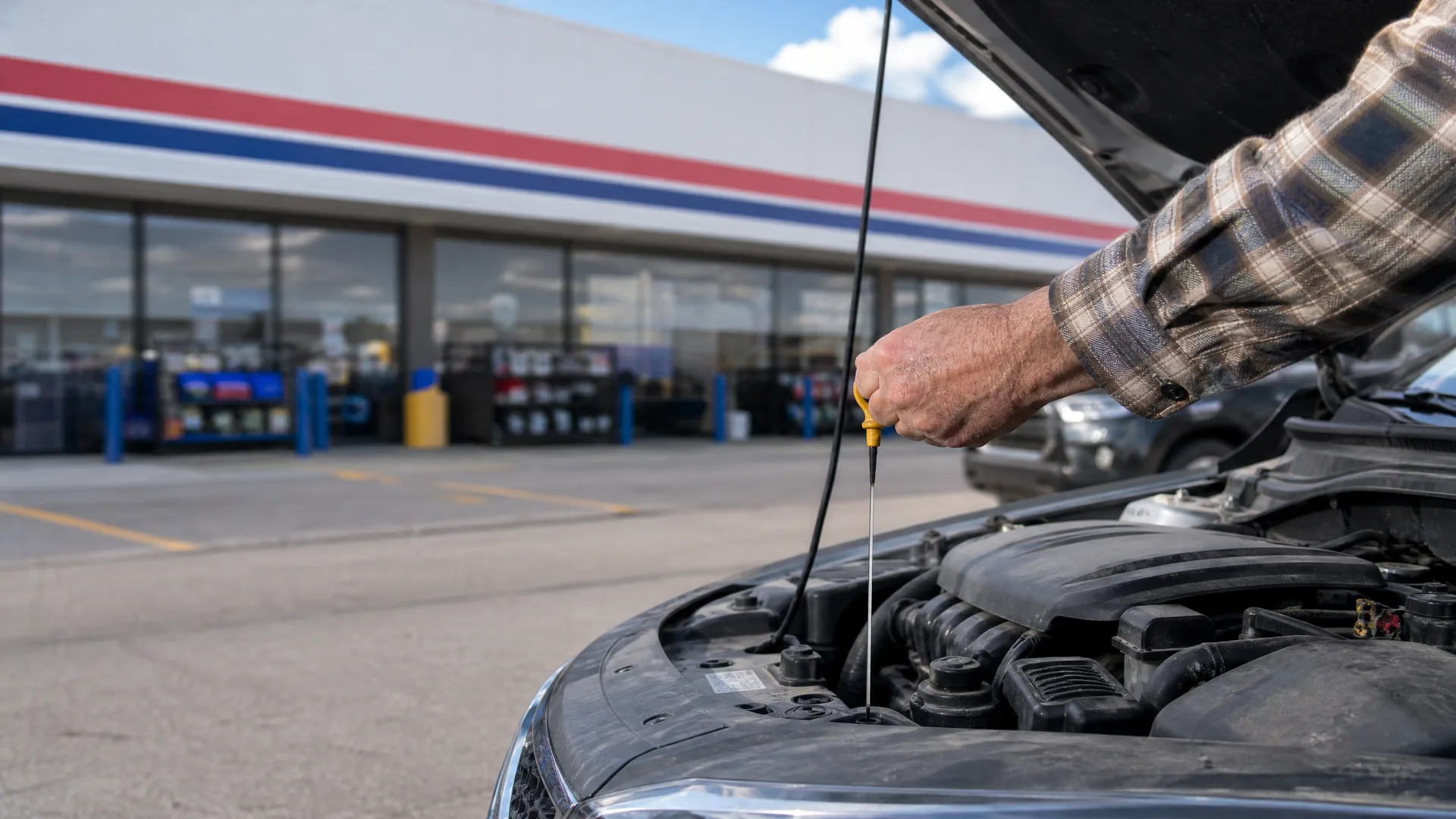
Classic car policies are built around limited use. That usually means a mileage cap each year, sometimes with an odometer check at renewal. If you've cut back on driving since retiring, this can work well, but if the classic is your main car, it may not fit the policy at all.
Be honest with the insurer about how the car is actually used, whether that's weekend drives, car shows, or sitting in the garage most of the year. Misstating this can affect a claim later if the insurer finds the car was driven more than the policy allowed.
If your driving has changed recently, mention that too. An insurer may ask why mileage jumped from one year to the next, and having an answer ready keeps the renewal simple.
Questions people ask about this
Can I still get classic car insurance if I no longer drive every day?
Yes, and it often helps rather than hurts. Classic car insurers generally expect limited use, so a retired driver who takes the car out occasionally fits the typical policy well. Tell the insurer how often you expect to drive it so the mileage limit they set matches your actual habits.
Do I need a separate policy for my everyday car in Oregon?
In most cases, yes, since classic car policies are written to cover a secondary vehicle, not a daily driver. Check with the insurer whether they require proof of another vehicle and policy before they'll write the classic coverage.
Will a lapse in my regular insurance affect getting classic coverage?
It can, since some insurers look at your driving and insurance history when deciding terms. Ask the classic car insurer directly whether a past lapse matters to them, since standards vary by company.
Does Oregon require special registration for a classic or antique car?
Oregon has its own rules for historic or antique vehicle registration, separate from how an insurer defines a classic car. Check with the Oregon DMV for the registration requirements, since meeting them doesn't automatically mean an insurer will classify the car the same way.
What happens to my classic car policy if I move out of Oregon?
Your policy terms may need to change since storage requirements, mileage rules, and even eligibility can differ by state. Tell your insurer about the move before it happens so they can tell you what changes, if any, apply.
See what classic car coverage looks like for your car and how you actually drive it.
Pull together the details on your car, its year, make, model, current condition, and how it's stored, along with a rough estimate of how many miles you put on it each year. Have your regular vehicle's insurance information ready too, since many insurers ask for it. Call a couple of insurers that write classic policies and ask directly whether your car and your driving habits qualify under their rules, since those rules vary by company. If you've had any lapse in coverage or a change in how often you drive, mention it upfront rather than letting it come up later. Once you know which insurers will write the policy, compare what each one actually offers before deciding.