Classic Car Insurance for Seniors in Montana
Montana seniors can usually insure a classic car for less than a standard policy, as long as the car is used the way classic policies expect it to be used.
Yes, and age usually helps rather than hurts
Classic car insurers care more about how the car is driven and stored than about the driver's age. A senior with a clean record and a car that sits in a garage most of the year is close to the ideal customer for this kind of policy. Montana has no state rule that blocks or restricts classic coverage based on age.
What actually decides the answer is the car and how you use it. Most classic policies set a mileage limit, require the car to be stored in an enclosed space, and ask that it not be your only vehicle. If your car and your habits fit that pattern, age isn't the obstacle. If you're still driving the classic regularly, you may need a different kind of policy entirely, and that's worth asking the insurer about directly.
How you use the car matters more than how old you are
Classic car insurers write these policies around limited use. They expect the car to come out for shows, club events, and the occasional nice afternoon, not for grocery runs or a daily commute. If that matches how you actually drive, you're a good fit regardless of age.
If you've started using the classic more since retiring, maybe because you have more free time and the car gets driven more than it used to, say so when you apply. Underreporting mileage or use can cause a claim to be denied later. It's better to ask upfront whether your actual use still qualifies for a classic policy or whether you need to adjust coverage.
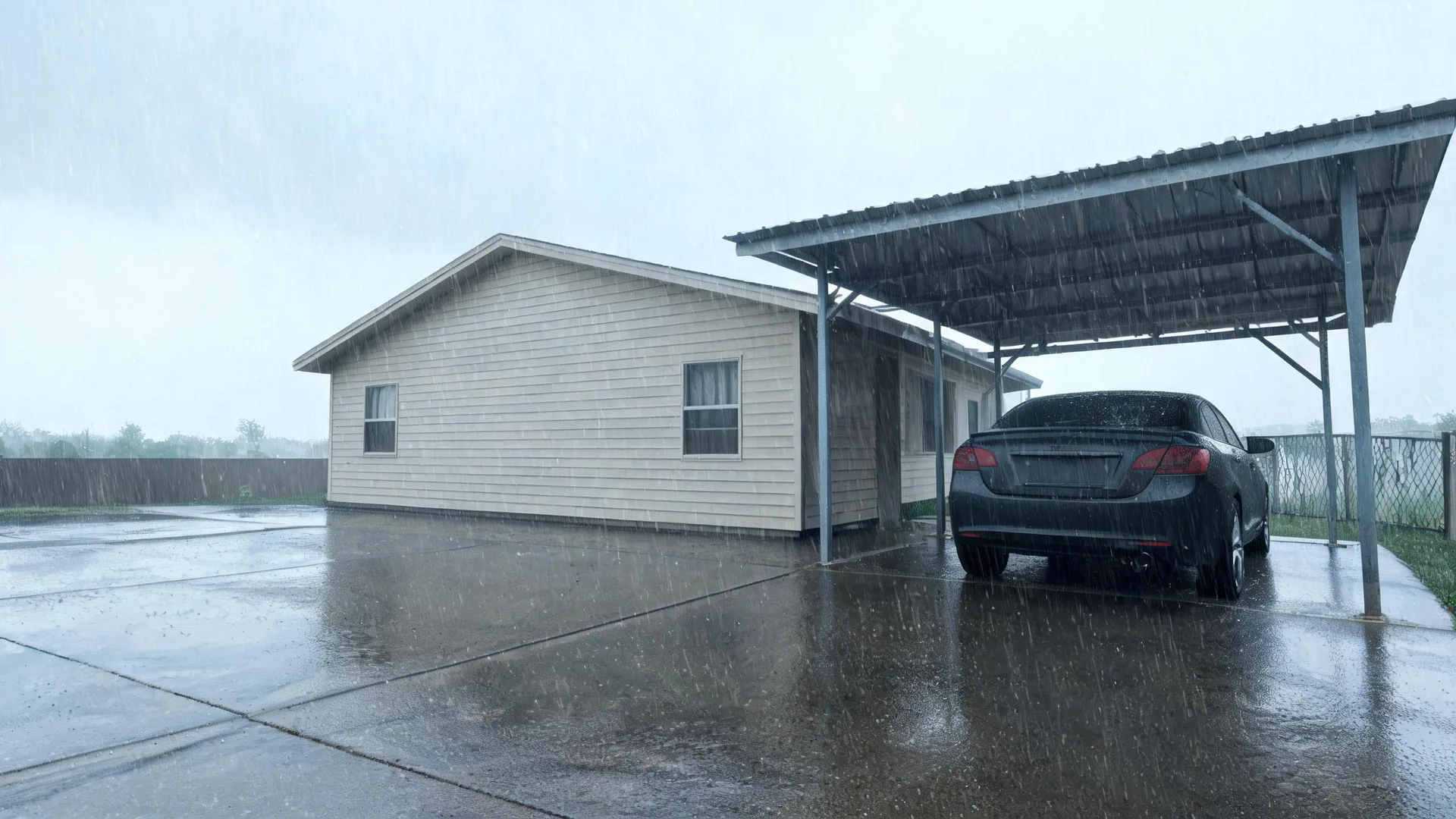
Storage matters too. An enclosed garage counts differently than a carport or street parking. If your situation has changed, for instance you moved to a smaller place without garage space, that's worth mentioning before you renew, not after a claim.
Your regular driving record still counts
Even though the classic car isn't your daily driver, insurers typically still look at your overall driving record and your record on other vehicles you own. A clean record helps here just like it would for standard insurance.
If you've recently given up your other car, or you're down to just the classic as your only vehicle, say so clearly when you apply. That single change can shift which type of policy you actually need, since most classic coverage assumes you have another car for everyday use.
Montana requires liability insurance to register and drive any vehicle, including a classic. Make sure whatever policy you choose meets the state's minimum requirements, since a specialty classic policy can sometimes be structured differently than a standard one.
Questions people ask about this
Do I need an appraisal to insure a classic car in Montana?
Many classic car insurers ask for an agreed value, which usually comes from an appraisal or documented sale history. Ask the insurer directly what they require, since this varies by company and by how old or rare the car is.
Can I still drive my classic car to the grocery store occasionally?
Most classic policies allow some limited errands, but the specifics depend on the insurer's mileage and use rules. Ask what counts as acceptable use before you assume an occasional trip is covered.
What happens if I stop driving my regular car and only have the classic?
This usually means you no longer qualify for a limited-use classic policy, since those assume you have another vehicle for daily driving. Tell your insurer right away so they can move you to coverage that fits your actual situation.
Does my age affect my classic car insurance premium in Montana?
Age itself is less of a factor for classic car coverage than it is for standard auto insurance. Insurers weigh your driving record, how the car is stored, and how often it's driven more heavily than your age alone.
Will my classic car insurance still work if I move to a different state?
Classic car policies are typically tied to the state where the car is registered and stored, so a move usually requires updating your policy. Contact your insurer before the move to find out what changes and whether your rate will be affected.
See what a classic car policy would actually cost you compared to standard coverage.

Pull together your registration, any appraisal or documentation of the car's value, and a rough estimate of how many miles you drive it each year. Call your current insurer or a classic car specialist and describe exactly how you store and use the car, including any recent changes like giving up a second vehicle. Ask whether your use still qualifies for limited-use classic coverage or whether you need a different policy. Confirm the policy meets Montana's minimum liability requirements. If anything about your driving habits has changed recently, mention it now rather than waiting for renewal.