Classic Car Insurance for Seniors in Florida
Classic car insurance is usually available to Florida seniors, and age alone doesn't stand in the way of getting it.
Yes, seniors can get classic car insurance in Florida
A senior driver can qualify for a classic car policy the same way any other driver does. The insurer looks at the car, how it's stored, and how much it's driven, not primarily at the driver's age.
What matters most is that the car fits the insurer's definition of a classic and that it's kept as a second or occasional vehicle rather than daily transportation. Florida doesn't set extra rules for older drivers seeking this kind of coverage, so the path is the same whether the applicant is forty or eighty.
How the car is used decides more than the driver's age
Classic car insurers write these policies around limited use. They expect the car to come out for shows, club events, and occasional drives, not a daily commute to the store or the doctor. If a senior has stopped driving a regular car as much and now uses the classic more often, that shift can actually work against qualifying for this type of policy.
Most insurers ask about annual mileage and want the car garaged when it's not in use. A detached garage or a covered, locked space usually satisfies this. An open driveway often doesn't.
Some insurers also want proof that the household has another vehicle for everyday driving. If the classic is the only car left in the household, that's worth asking about directly, since it can change whether the policy is available at all.
None of this is about the driver's age. It's about whether the car is being used the way a classic car policy expects.

A driving record still gets checked
Classic car insurers still pull a driving record, and a clean one helps regardless of how long someone has been driving. A recent at-fault accident or a string of violations can affect the rate or the insurer's willingness to write the policy at all.
What trips people up is assuming a classic car policy works like a regular auto policy when it comes to who can drive the car and when. Many classic policies name a single driver or a short list of drivers, often the owner and a spouse. If an adult child or grandchild sometimes drives the car, that needs to be addressed up front, not discovered after a claim.
It's also worth checking how the insurer defines an eligible driver's age range on both ends. Some have a minimum age for coverage under the policy and separately ask about the oldest driver's health or vision status if renewal questions come up. Florida doesn't regulate this part, so it varies by insurer and is worth asking about directly before buying.
Questions people ask about this
Does a classic car need a special license plate in Florida to get this insurance?
Not necessarily, though some owners choose a historic or antique plate if the car qualifies for one. Insurers generally care more about the car's age, condition, and use than the plate it carries, but check with the insurer since some do ask about plate type as part of underwriting.
Can I still drive my classic car to work if I have this type of policy?
Usually not without affecting coverage, since most classic car policies are written around limited, pleasure use. Using the car for a regular commute can put a claim at risk if the insurer finds out the car wasn't being used the way the policy described. Ask the insurer directly what use is allowed before relying on the car for daily trips.
What counts as a classic car for insurance purposes in Florida?
It depends on the insurer, since there's no single statewide definition for insurance purposes. Most look at the car's age, whether it's kept in original or restored condition, and whether it's treated as a collector's item rather than a everyday vehicle. Check with the insurer for their specific cutoff and requirements.
Will my classic car insurance go up if I'm diagnosed with a vision or health issue?
This depends entirely on the insurer's policies, and Florida doesn't set a rule here. Some insurers ask about driver health at renewal for any policy, classic or not, while others don't ask at all unless something comes up on the driving record. Check directly with the insurer about what triggers a review.
Can I add my classic car to my regular auto policy instead of getting a separate one?
Some insurers allow this, but it often means losing the lower rate and agreed value coverage that a dedicated classic car policy offers. A regular policy typically pays actual cash value on a total loss, which can be far less than what a classic car is worth. Ask the insurer how each approach would pay out before deciding.
See what classic car coverage looks like from insurers who write policies for Florida drivers.
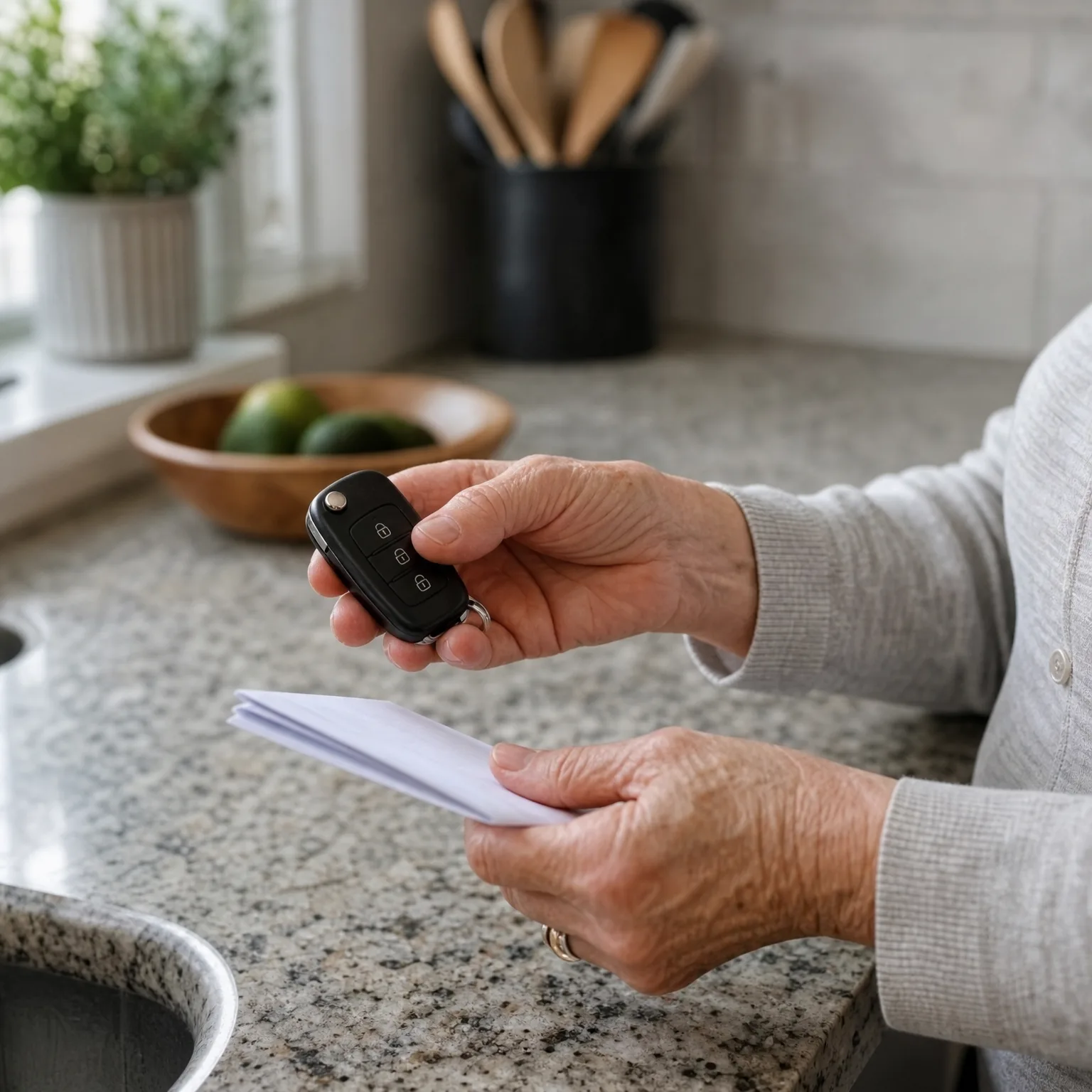
Pull together the car's title, any appraisal or documentation of its value, and a note on where it's stored and how many miles it's driven in a typical year. Call a couple of insurers that write classic car policies in Florida and ask directly about their age requirements for drivers, their mileage limits, and whether a second everyday vehicle is required in the household. Ask what happens if someone else in the family occasionally drives the car, and get that in writing if the insurer allows it. If the car has been insured on a regular auto policy, compare what that policy would pay on a total loss against what a classic car policy offers before switching. Keep the renewal notice or any paperwork from the current insurer handy, since it often shows exactly how the car is currently classified and used.