Classic Car Insurance for Seniors in Colorado
Most insurers will cover a classic car for a senior driver in Colorado, often for less than a standard policy, as long as the car and how you drive it fit their rules.
Yes, age usually works in your favor here
A classic car policy in Colorado is not off limits because of your age. If anything, insurers writing these policies tend to favor older drivers, since the statistics on claims are better for this group and classic car owners in general.
What matters more than your age is how you use the car. Classic policies assume the car is driven occasionally, kept in good condition, and stored somewhere secure. If your car fits that pattern, your age is rarely a reason to be turned down.
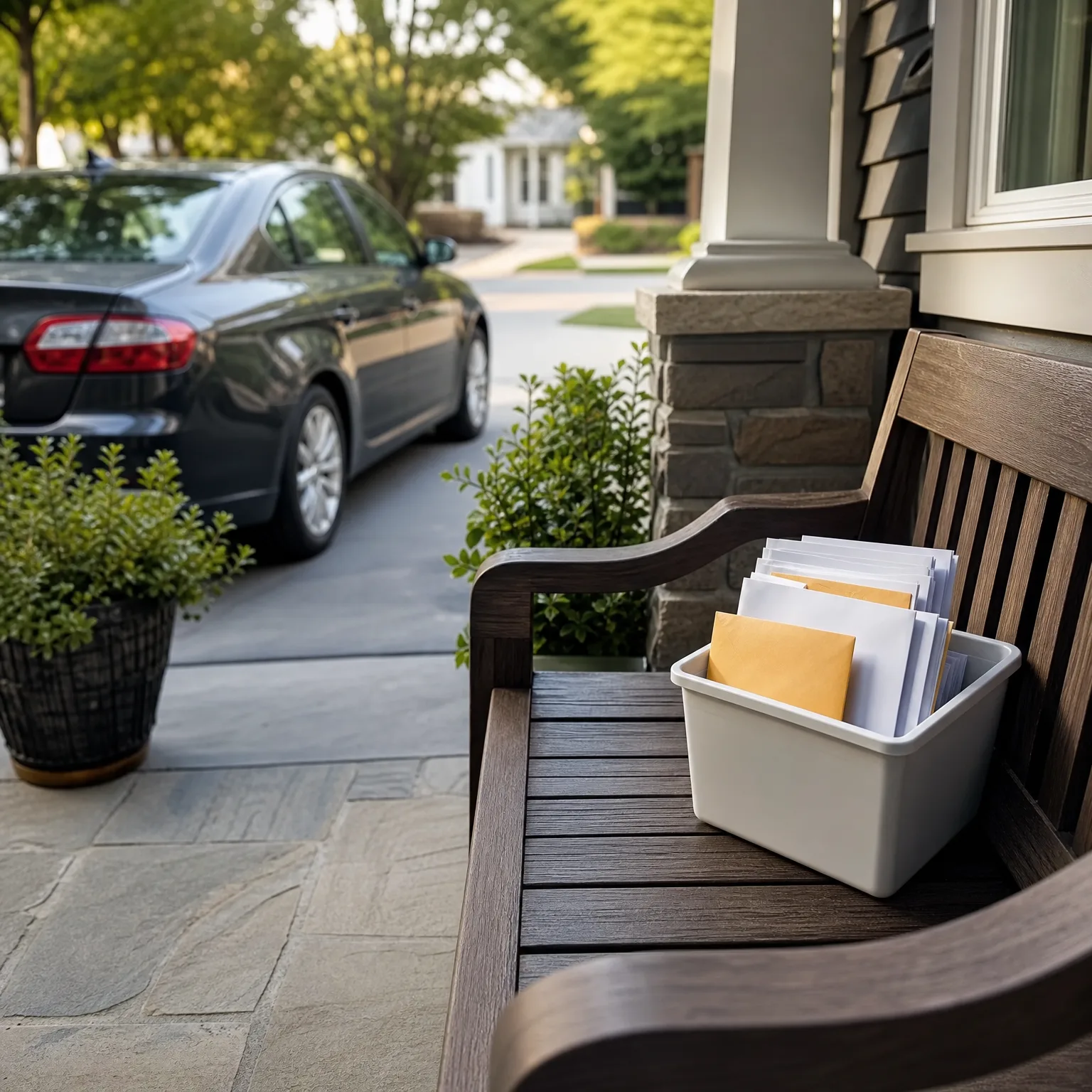
How you use the car matters more than your birth year
Classic car insurers set limits on mileage and use. They want the car driven to shows, club events, and occasional pleasure trips, not as the vehicle you take to the grocery store or a doctor's appointment every week.
If you've retired and the classic car has become your main way of getting around, that's worth mentioning when you apply. Some insurers will adjust the policy for that. Others will tell you the car no longer qualifies for a classic rate and needs a standard policy instead.
Keep a sense of your actual yearly mileage before you apply. If you're not sure, check the odometer against last year's reading. An honest number up front avoids a dispute later if you ever file a claim.
Storage matters too. A garage or other secure, covered storage is often required or at least rewarded with a lower rate. If your classic car sits outside or on the street, ask the insurer directly whether that affects your eligibility.
Your driving record still gets checked
A classic car policy doesn't skip the usual check of your driving history. Insurers look at tickets, accidents, and license status the same way they would for any other policy.
If your license has restrictions, such as a requirement for corrective lenses or a limit on night driving, that's recorded with the Colorado DMV and an insurer can see it. It won't disqualify you from classic car coverage, but it's part of the picture they're working from.
If you haven't driven much in recent years and your record is thin, say so plainly when you apply. An insurer may ask for more detail rather than assume the best or the worst.
Colorado sets its own rules for license renewal and any vision or testing requirements tied to age. If you're not sure what applies to you, the Colorado DMV can tell you directly what's current.
Questions people ask about this
Does a classic car policy cover driving to car shows and club meets?
Most classic car policies are built around this kind of driving and expect it. Confirm with the insurer whether there's a mileage limit tied to these trips, since some policies cap total yearly mileage regardless of the reason for driving.
Can I still get classic car insurance if I use the car as my only vehicle?
Some insurers allow this and some don't, since classic policies are typically written for a car that's driven occasionally rather than daily. Ask the insurer directly how they define occasional use and whether your situation fits.
Will my classic car insurance go up if I get a ticket?
It can, since insurers generally review your driving record at renewal or when you make changes to the policy. How much it affects your rate depends on the insurer and the nature of the violation, so ask them directly what they consider.
Do I need an appraisal to insure a classic car in Colorado?
Many classic car insurers ask for an appraisal or some documentation of the car's value before they'll write an agreed value policy. Ask the insurer what they require and whether they have a preferred appraiser.
What happens to my classic car policy if I stop driving altogether?
If you stop driving, you may be able to switch to a storage-only policy that covers the car while it's parked but drops the driving coverage. Ask your insurer whether this option exists and how it affects the premium.
See what a classic car policy would cost you in Colorado before your current one renews.
Pull together what you'll need before you start: the car's make, model, and year, an estimate of its current value, your typical yearly mileage, and where the car is stored. Call your current insurer first and ask if they offer a classic or collector car endorsement, since staying with one company can sometimes simplify things. Ask directly how they define allowed use and whether your driving habits fit it. If they don't offer this kind of policy, or their terms don't match how you actually use the car, compare quotes from insurers who specialize in classic coverage. Have your driving record and license status on hand, since you'll likely be asked about both.