Classic Car Insurance for Seniors in California
California seniors can usually get classic car coverage, often for less than a standard policy, as long as the car is driven and stored the way the insurer expects.
Yes, if the car and how you use it qualify
Classic car insurance is open to drivers of any age in California, including seniors, and age alone won't disqualify you. Insurers that write this coverage care more about the car than the driver's birth year. What they're checking is whether the car fits their definition of a classic, usually tied to its age and condition, and whether you drive it the way a collector would rather than the way you'd drive a daily car.
That second part matters more for seniors than it might for someone younger, simply because a retired driver might be tempted to use the classic car more often than the policy allows. Classic policies assume limited, occasional driving. If your plan is to drive it regularly, a standard policy may fit your situation better, even if it costs more.
How you store and drive the car
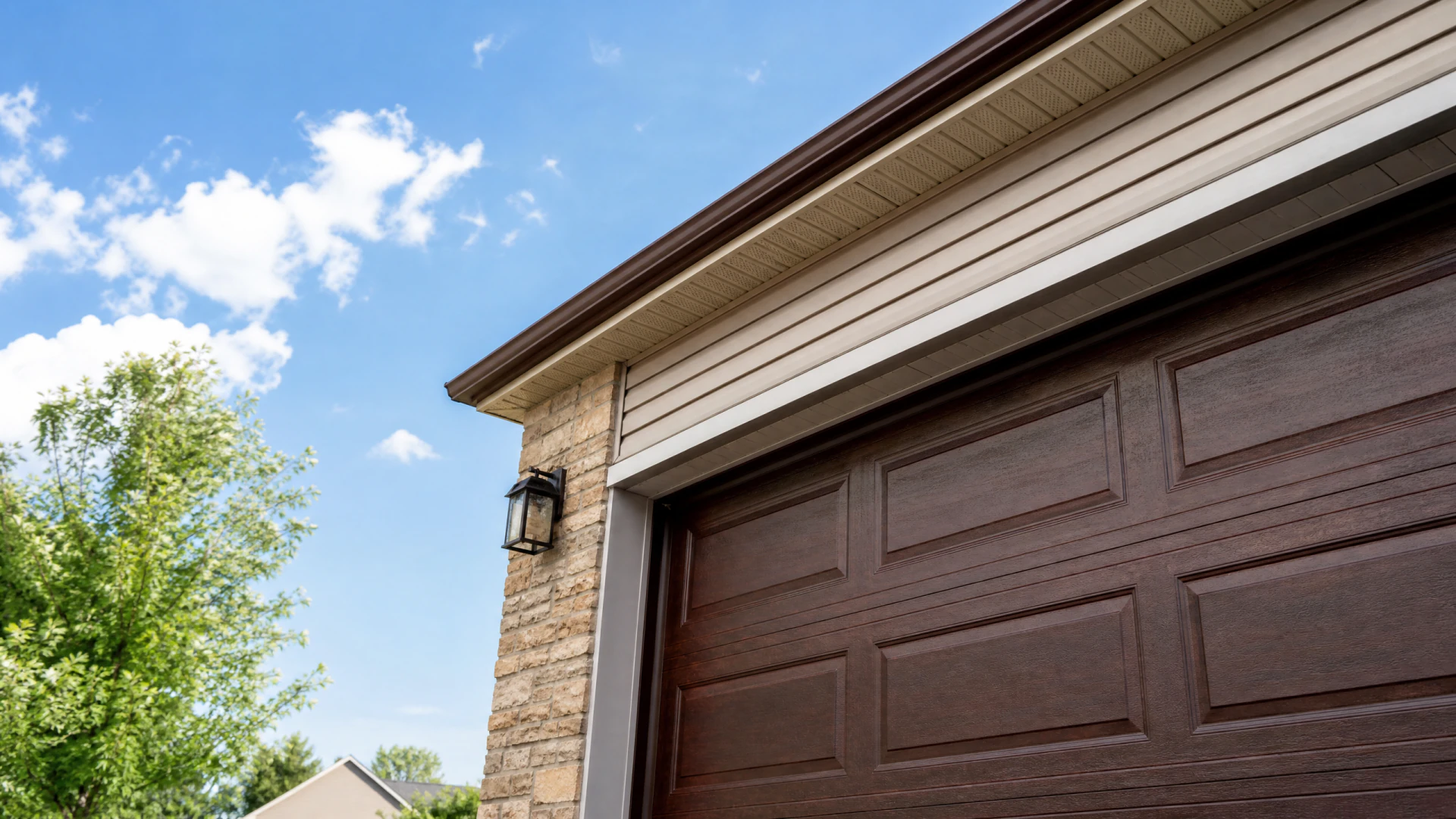
Classic car insurers set limits on annual mileage and usually require the car to be kept in an enclosed garage when it's not being driven. These aren't formalities. They're the basis for the lower premium, because the insurer is betting the car won't be on the road much and won't sit exposed to weather or theft.
If you've retired and started using the classic car as a second daily driver, errands, visits, regular trips, tell your insurer. Driving beyond what the policy allows can affect a claim later, and it's better to adjust the policy now than find out after an accident that the use didn't match what was agreed.
Some insurers also ask whether you have another vehicle for everyday driving. If the classic car is your only car, a handful of insurers won't offer classic coverage at all, since the assumption is that it's a second car used for pleasure, not a primary means of transportation.
If your situation has changed since you first insured the car, a quick call to your insurer or agent to confirm your current mileage and storage still fit the policy is worth doing before anything goes wrong, not after.
Your driving record and license status
Classic car insurers still look at your driving record, and a clean one helps the same way it would on any policy. What's different for seniors is that some states require periodic steps to keep a license current, like a vision test or an in-person renewal, and if that license lapses, it can affect any policy tied to it, classic or not.
California's specific renewal requirements for older drivers are set by the DMV, so check directly with the DMV for what applies to you and when. Keeping that current is worth doing regardless of what car you're insuring.
A completed defensive driving or mature driver course can sometimes lower a premium, but the insurer usually needs the certificate sent to them directly. Finishing a course doesn't change anything on its own until you've given them that proof.
If you're combining a classic car policy with a policy on another vehicle, ask whether the insurer offers a discount for having both with them. Not every insurer that writes classic coverage also writes standard auto policies, so this depends on who you're asking.
Questions people ask about this
Does a classic car need special insurance in California?
It doesn't need it, but a standard policy may not give you the agreed value coverage a classic deserves. Standard policies typically pay out the car's depreciated market value after a loss, which can be far less than what a collector car is actually worth. Classic coverage lets you and the insurer agree on a value up front, so ask about this specifically if you're comparing the two.
Can I drive my classic car every day in California?
Most classic car policies don't allow daily use, since the lower premium is based on limited mileage. If you want to drive the car regularly, say so when you're getting quotes, because the insurer may only offer standard coverage or a different type of policy for that kind of use.
What counts as a classic car for insurance purposes?
This varies by insurer, and there's no single rule across the industry. Some set a minimum age for the car, others look at whether it's kept in original or restored condition. Ask the insurer directly what their definition is before assuming your car qualifies.
Will my classic car insurance go up as I get older?
Age itself isn't typically the main factor insurers weigh for classic coverage, since the car's use and storage matter more. That said, pricing decisions are made by each insurer, so ask directly whether age plays any role in how they price your policy.
Can I insure a classic car if I only drive it occasionally and I'm retired?
Occasional driving is exactly what classic car policies are built for, so retirement and reduced driving can work in your favor here. What matters is staying within the mileage limits the policy sets and storing the car the way the insurer requires.
See what classic car coverage would cost you before you decide which policy fits your car.
Pull out your current policy and check the mileage limit and storage requirement listed on it, then think honestly about how you've actually been driving the car this year. Call your insurer or agent if anything has changed, including whether you now have another car for daily use. If you've taken a mature driver course, send the certificate in rather than assuming it was applied automatically. Confirm your license renewal status with the California DMV directly, since that can affect any policy tied to it. Then compare a classic car quote against a standard policy quote for the same car, so you can see the actual difference for your situation rather than guessing.