Classic Car Insurance for Seniors in Maryland
Maryland seniors can usually get classic car coverage, and age alone rarely stands in the way.
Yes, if your car and your driving fit the policy
Classic car insurance is open to Maryland drivers of any age, including seniors. Insurers care less about how old the driver is and more about how old the car is, how it's stored, and how much it's driven.
What matters most is that the car qualifies as a classic or collector vehicle under the insurer's rules, and that you agree to use it the way these policies expect: limited mileage, a secure garage, and no daily commuting. A clean driving record helps, as it does with any policy, but a senior with a long driving history often has exactly the kind of record these insurers like to see.
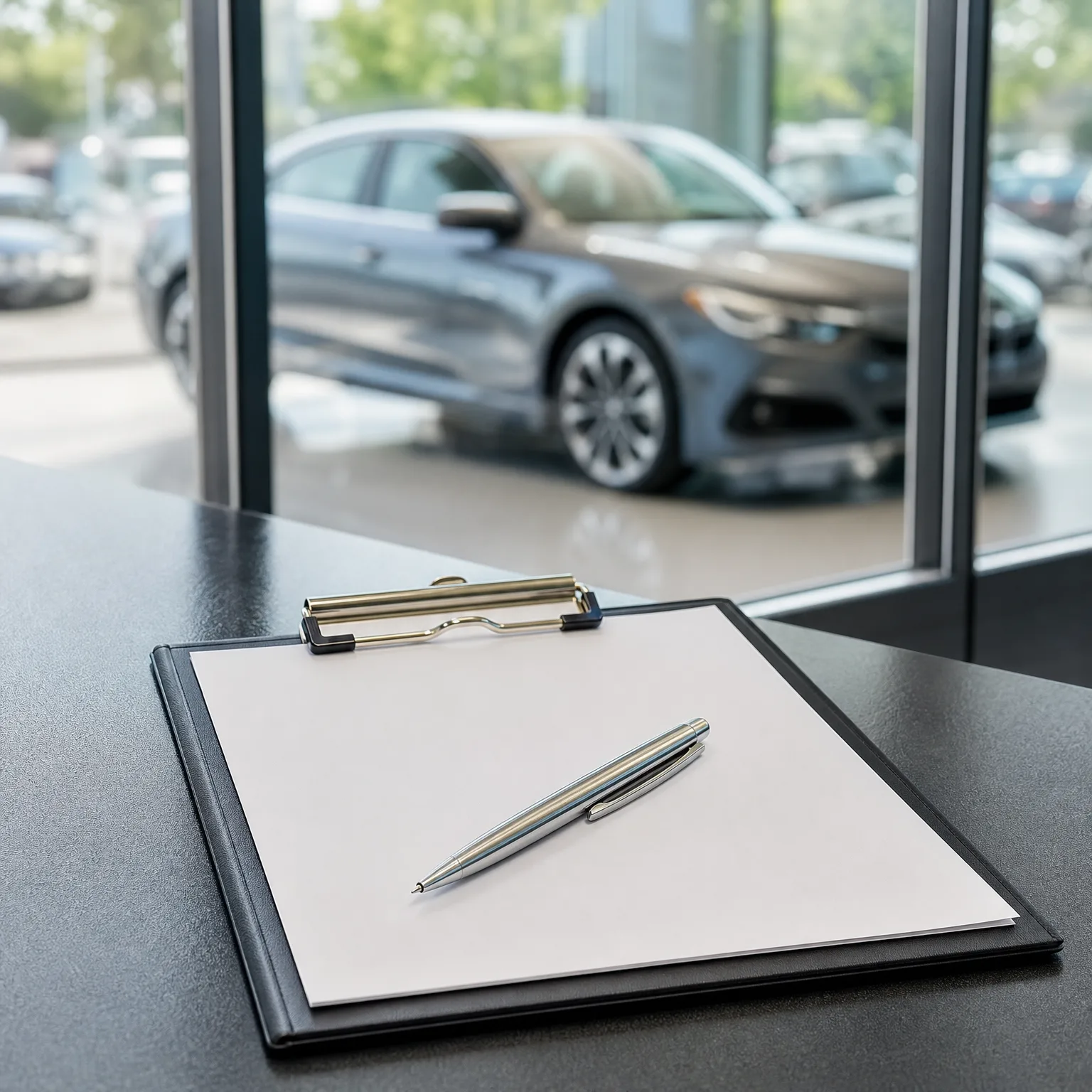
How the car is used decides more than how old you are
Classic car policies are built around limited use. The insurer wants the car garaged when it's not being driven, insured for a capped number of miles a year, and kept separate from the car you use for errands and appointments. If you still drive the classic to the store or to visit family regularly, some insurers will say that's not classic use anymore and price it like a regular car, or decline it.
This works in a retired driver's favor more often than not. Someone who drives less overall, and who takes the classic out for shows, club events, or weekend drives, fits the profile these policies are written for. If you've cut back on driving since retiring, say so when you apply. It can support the case that the car is used the way the policy requires.
You'll usually need a daily driver insured separately for your regular trips. Ask the insurer how they define limited use and what happens if you go over the mileage cap in a given year.
What Maryland requires for the car itself
Maryland sets its own rules for what counts as a historic or classic vehicle, often tied to the car's age and whether it's kept substantially unmodified. Check with the Maryland MVA for the current definition and what registration category the car needs to be in before you shop for coverage, since insurers generally follow the state's classification.
Some classic policies also require an agreed value, set when the policy is written, rather than the actual cash value a regular policy would pay out. That agreed value usually needs documentation, like an appraisal or proof of the car's condition and history. If you've owned the car a long time, gather any records you have, past appraisals, restoration receipts, show awards, since they can support a higher agreed value.
If the car hasn't been inspected or appraised recently, do that before you apply rather than after. An outdated valuation can mean you're underinsured without realizing it.
Questions people ask about this
Can I insure a classic car as my only vehicle in Maryland?
Most classic car insurers expect you to have another vehicle for regular use, and some will not write a policy if the classic is your only car. Ask the insurer directly, since this rule varies by company, and check what they'd want to see about your other vehicle's insurance.
Does a classic car policy cover me if someone else drives the car?
It depends on the policy and often on who the other driver is. Some classic policies restrict coverage to the owner and a named spouse or family member, so ask before letting anyone else take the wheel.
Will my classic car insurance go up if I stop driving as much?
It shouldn't, since these policies are already built around low annual mileage, and driving less if anything keeps you further under the cap. If your mileage drops a lot, ask whether a lower mileage tier might reduce your premium.
Do I need a special license or endorsement to drive a classic car in Maryland?
No, a classic or antique vehicle doesn't require a separate license endorsement in Maryland. The registration and insurance requirements are tied to the vehicle, not to a special driving credential.
What happens to my classic car policy if I can no longer drive?
The policy itself doesn't end on its own, but you'd need to tell your insurer if the car will sit unused or if someone else will be driving it instead. Ask them what storage-only or reduced-use options they offer if that situation comes up.
See how classic car coverage compares before you commit to one insurer's terms.
Start by confirming your car's classification with the Maryland MVA, since that determines what kind of policy you can even apply for. Pull together any appraisal, restoration records, or show history you have on the car, since insurers will want that for an agreed value. Call your current insurer and ask how they define limited use and what the mileage cap looks like. Then get quotes from a couple of insurers that specialize in classic or collector vehicles, since coverage and pricing for this type of policy varies more between companies than standard auto insurance does. Have your regular car's insurance information on hand too, since most insurers will ask about it.