
Agreed Value vs Actual Cash Value
Agreed Value locks in a payout you both agreed on upfront. Actual Cash Value pays what the car is worth at the time it's totaled, after depreciation.
The difference is when the value gets decided
With Actual Cash Value, your insurer figures out what your car is worth at the time of the claim. They look at its age, mileage, condition and what similar cars are selling for, then subtract for depreciation. You don't know that number until you file a claim.
With Agreed Value, you and the insurer settle on a dollar figure when you write the policy, and that's what you get paid if the car is totaled, full stop. No depreciation, no argument about condition. Agreed Value usually costs more and usually applies to classic, collector or specialty cars rather than an everyday vehicle.
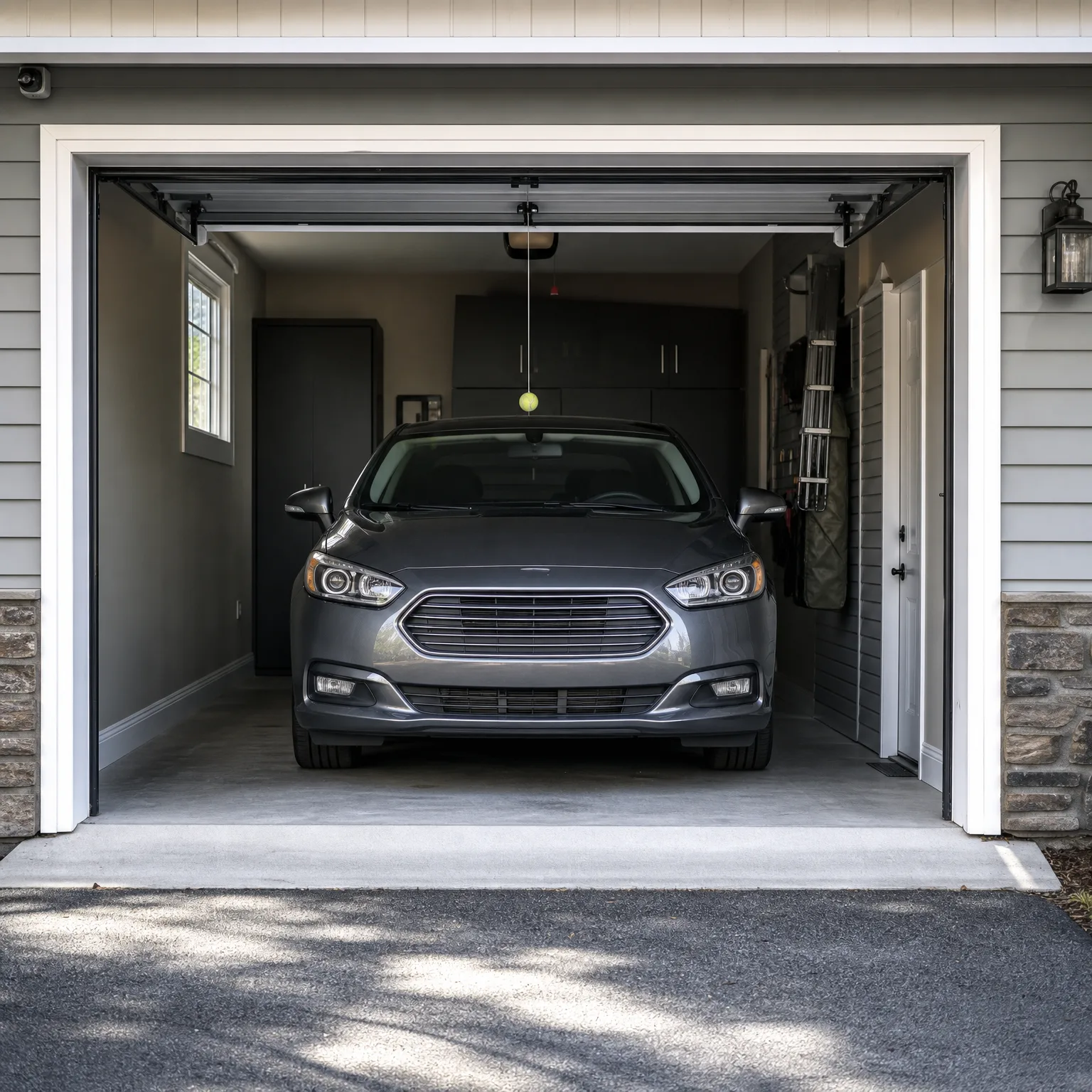
What kind of car you drive decides which one applies to you
Most standard auto policies use Actual Cash Value by default. If you drive a regular car that's a few years old or more, this is almost certainly what your policy already does, whether or not you've thought about it.
Agreed Value is typically offered for classic cars, antique cars, or vehicles that have been modified or restored in a way that makes their value hard to pin down with a standard formula. If your car doesn't fall into one of those categories, your insurer may not offer Agreed Value at all.
If you're not sure which one your policy uses, your declarations page will usually say, or you can ask your insurer directly. It's worth knowing before anything happens to the car, not after.
What people get wrong about Actual Cash Value
A lot of drivers assume Actual Cash Value means they'll get back close to what they paid, or close to what it would cost to replace the car today. It doesn't work that way. The payout reflects what the car is worth right now, and cars lose value every year they're on the road.
The older the car, the bigger the gap tends to be between what you think it's worth and what the insurer calculates. This catches people off guard most often with a car that's paid off and has been reliable, where the owner hasn't thought about its market value in years.
If you want to avoid a dispute at claim time, ask your insurer how they determine value under your policy and what documentation they'd use. Keeping records of upgrades, maintenance and condition can help if you ever need to push back on a low valuation.
Questions people ask about this
Can I switch from Actual Cash Value to Agreed Value on my policy?
You can ask your insurer, but whether they'll offer it depends on your car and their underwriting rules. Agreed Value is usually reserved for classic, antique or specialty vehicles, so a standard daily driver may not qualify no matter how well maintained it is.
Does Agreed Value cost more than Actual Cash Value?
It often does, since the insurer is guaranteeing a fixed payout rather than calculating value after the fact. Ask your insurer for a side by side quote on both if your car is eligible for either.
How does an insurer calculate Actual Cash Value after an accident?
They look at your car's age, mileage, condition, and recent sale prices for comparable vehicles in your area, then apply depreciation. The exact method can vary by insurer, so ask yours directly what sources and formula they use.
Do I need an appraisal to get Agreed Value coverage?
Many insurers require one before they'll set the agreed amount, especially for classic or modified cars. Ask your insurer what documentation or appraisal they need before the policy starts.
What happens if I disagree with my insurer's Actual Cash Value payout?
You can usually dispute it by providing your own evidence of the car's value, such as records of upgrades or independent appraisals. Check your policy for the specific dispute process, since it can vary by insurer and by state.
If you're not sure which one your policy uses, or whether a different insurer would value your car differently, it helps to compare.
Pull out your current policy and find the declarations page, which will usually state whether your car is covered under Actual Cash Value or Agreed Value. If it doesn't say plainly, call your insurer and ask them directly, along with how they'd calculate a payout if your car were totaled today. If you drive a classic, antique or heavily modified car, ask whether Agreed Value is available and what kind of appraisal or documentation they'd need to set that figure. Keep any records of recent maintenance, upgrades or restoration work, since those can matter if you ever need to dispute a valuation. If your current insurer doesn't offer the coverage that fits your car, it's worth comparing what other insurers would do with the same vehicle.